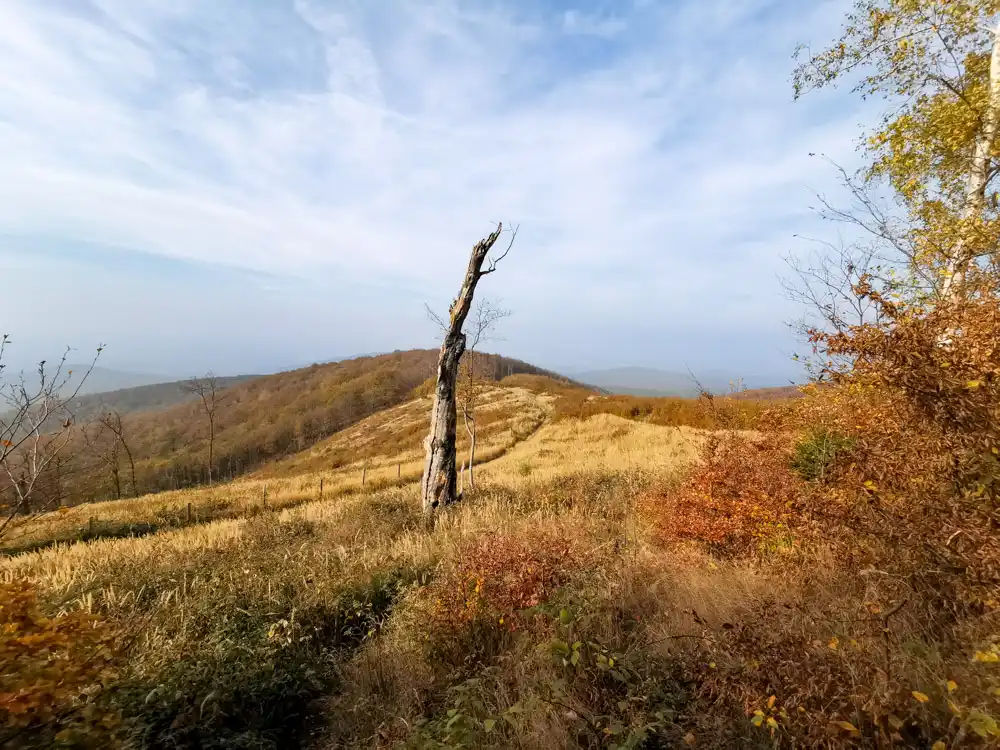
Flop onto the couch in front of the TV, or lace up my boots and walk into the freezing fog? The question is: why go out into trails and why we hike alone?
Why We Hike Alone
Great trail partners are rare. Finding someone who matches your pace and doesn’t feel the need to fill every second with small talk is gold. Most days, I love that silent rhythm. Today, I want nobody. Today, I need to walk alone.
I fled the city to dodge the noise—tacky holiday ads, honking traffic, and frayed tempers. Out here in the quiet, with a candle burning and old blues playing low, my head finally clears.
I left the road bike in the garage. Tarmac means chasing watts, ego, and proving a point. Instead, I grabbed my trekking poles, called my dog, and aimed for a fifteen-kilometer loop into the foggy hills. Four hours of slow, stubborn movement to ask the questions I usually outrun:
- Why am I always rushing? Because I’m wired for addiction. First it was cigarettes, wine, and work. Now it’s endurance and endorphins.
- What am I actually chasing? Faster times, harder climbs, bigger numbers.
- Do I have the guts to stop?
The Fisherman’s Story
Years ago, I heard a story about a fisherman sitting quietly by a river. A burned-out executive walked up and lectured him on scaling his business: catch more fish, buy a fleet, hire staff, make millions.
“And then what?” the fisherman asked.“Then you retire, own your time, and do whatever you want,” the executive beamed. “You could sit by the river and fish all day.”“I’m doing that right now,” the fisherman smiled.
In your twenties and thirties, you grind for a mortgage and a family. Once the kids grow up and leave, status and money lose their bite. You need a new reason to get out of bed.
For years, my crew of four chased pain up the steepest Alpine passes — Stelvio, Mortirolo, or Zoncolan. We broke every climb. The price tag? Three snapped collarbones, one separated shoulder, and endless road rash. Who’s next in line? We are just aging kids in a sandbox, breaking bones to prove we still have it.
Ankle-Deep Mud and Zero Views
Five hours later, I’m back.
I missed the summit entirely—took a wrong turn in the trees and ended up miles off my GPS track. My dog didn’t care, and neither did I.
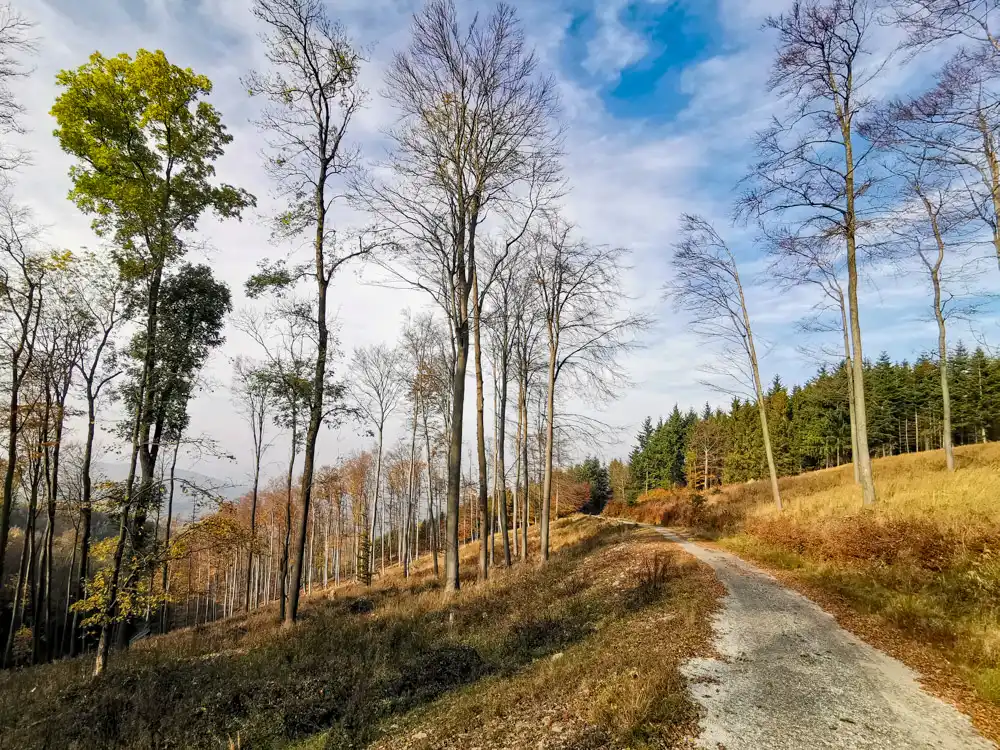
For six kilometers, we waded through ankle-deep clay mud torn up by logging trucks. Above four hundred meters, the messy world disappeared. Thick fog swallowed the beech forest. Zero panoramic views, zero tourists, zero noise. Just cold air and raw silence that scrubs your brain cleaner than any therapist ever could.
Now I’m wrecked on the couch, nursing hot tea and sore heels. No medals, no personal records, no summit selfies. Just four hours of owning my own time.
Trail Notes: Winter Forest Hiking
- Expect deep mud: Clay-heavy forest tracks turn into slick bogs during wet winters. Waterproof boots and gaiters are non-negotiable.
- Don’t trust trail signs: Winter logging regularly knocks down markers. Keep an offline GPS map on your phone when fog rolls in.
- Drop the pace: Winter trails aren’t for chasing splits. Dress in layers, pack a hot thermos, and walk until your head goes quiet.