Dropping from the inland mountains down to the southwestern coastline means stepping into a completely different universe. The dramatic limestone walls and silent ghost villages vanish. In their place: endless flat plains, open sea, the warm breath of the African sirocco, and an unhurried fishing pace. My guide to Mazara del Vallo highlights beaches trails bypasses standard tour-bus itineraries. We will look at why ditching commercial resorts pays off, what parmesan tastes like battered by sea sand, and why Mazara itself is one of western Sicily’s most fascinating crossroads.
After grueling mountain hikes, I rolled into Mazara del Vallo exhausted from wrestling the steering wheel. I needed to wash the chalky inland dust off my skin. I jogged toward the harbor, wound past dozens of bobbing wooden trawlers, and dove headfirst into the surf. That exact second, my body finally realized the adventure was far from over.
The Tedium of Overhyped Tonnarella and the Influencer Trap
Researching beaches south of Trapani before the trip, I stumbled across a post by a travel influencer. She measured beach quality entirely by who hung around, how smoothly local Italian Romeos hit on her, what gelato they bought her, and whether her espresso arrived topped with artisanal crema. A textbook commercial trap. You arrive at an overhyped three-hundred-meter strip, get ripped off on tourist lunch menus, and spend the day dodging hawkers peddling fake designer sunglasses.
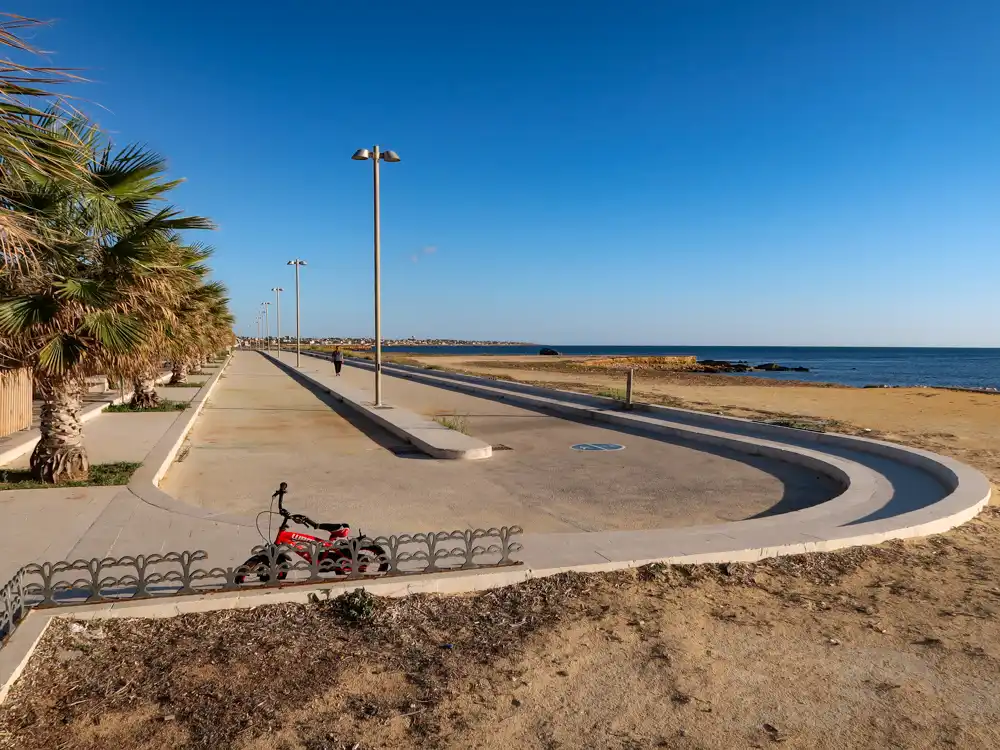
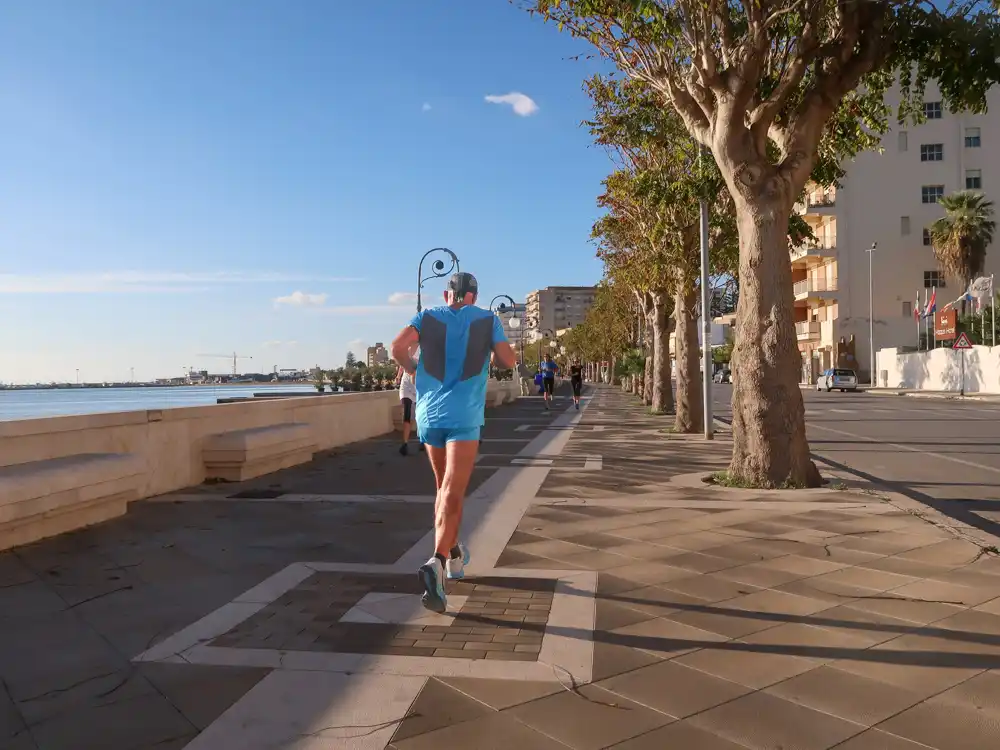
I decided to test the region’s most praised stretch of sand: Tonnarella.
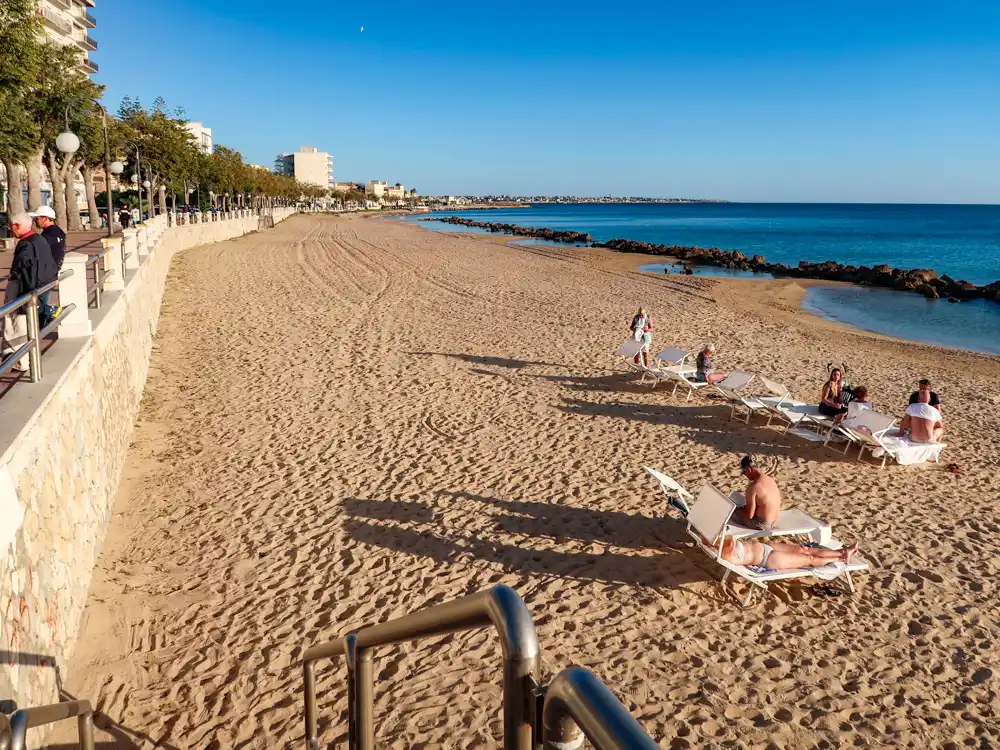
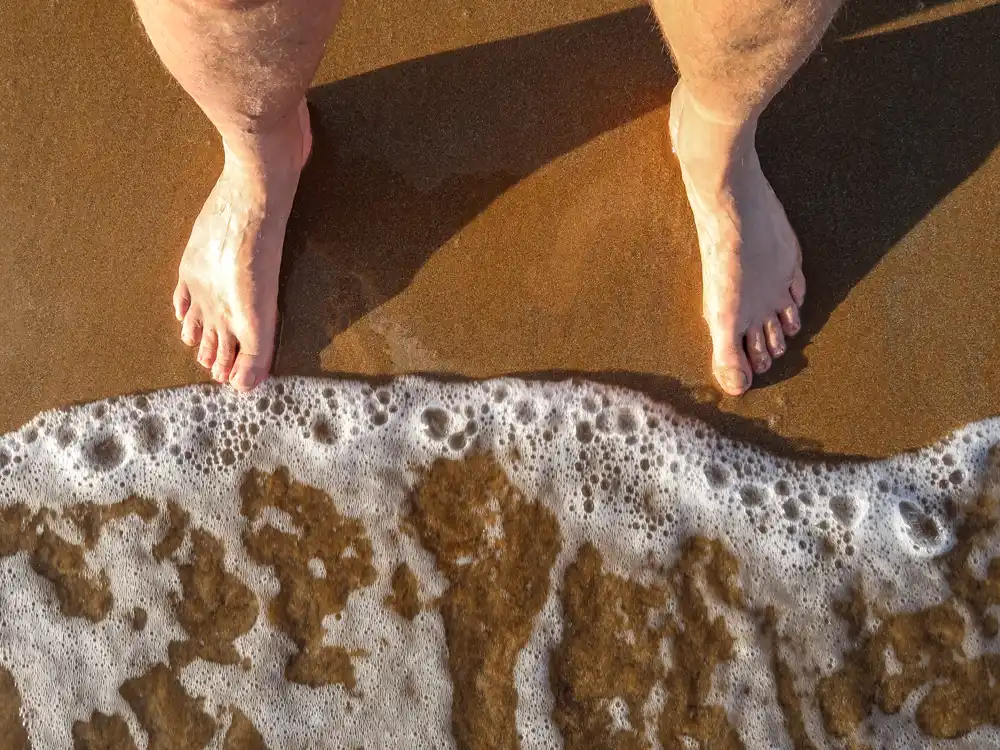
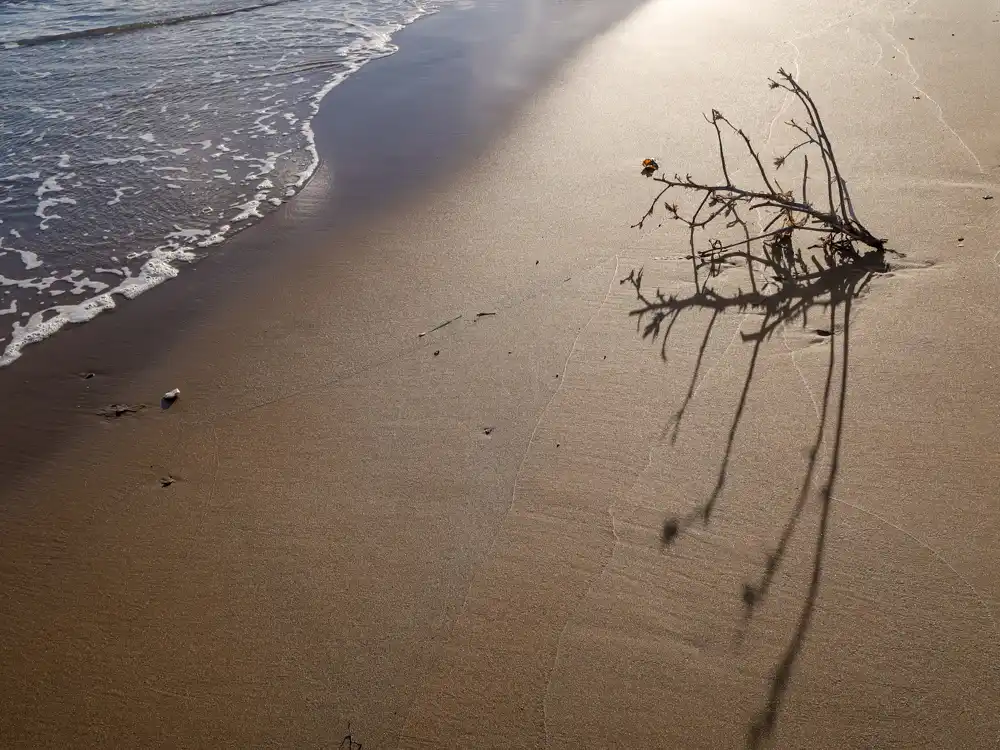
- Flawless sand, pure boredom: Sand fine as flour, shallow water stretching out forever. I kicked off my shoes, ran three kilometers out, three kilometers back, and caught myself yawning. Sea, sand, sea, sand. Zero rocks, zero tucked-away coves, zero shade, and nothing remotely worth photographing.
- A swift exit: After a quick dip to cool down, I asked myself what on earth I was doing wasting time there. I jumped back in the car to hunt down shores where the coast still lives on its own terms.
The Golden Traveler Rule: Where Surfers Gather, Life Is Good
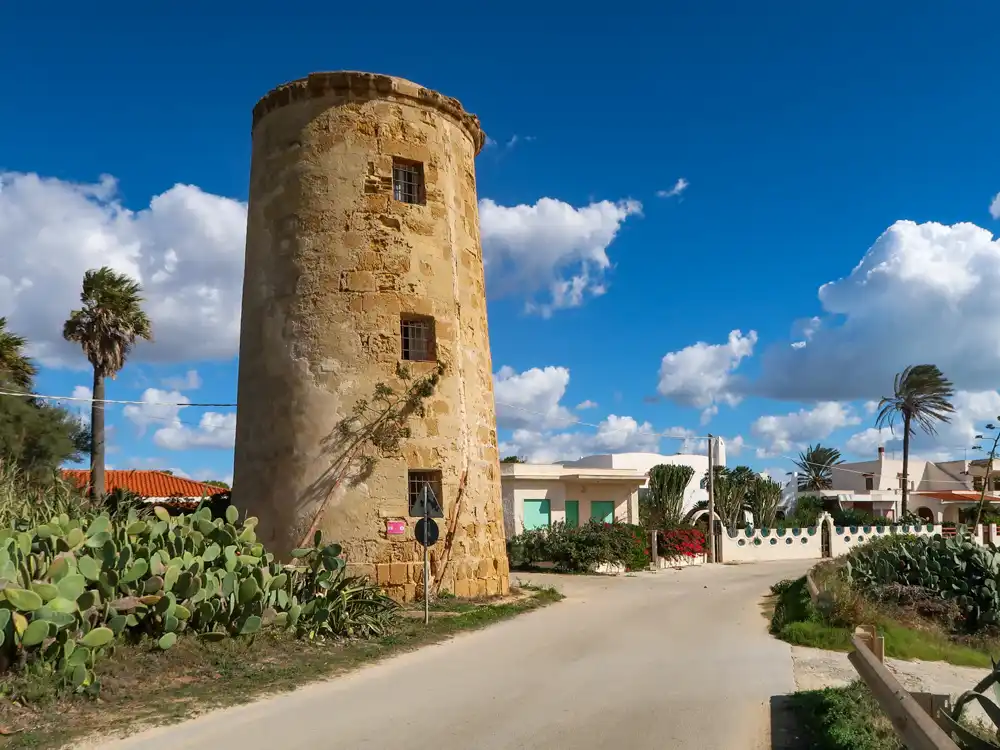
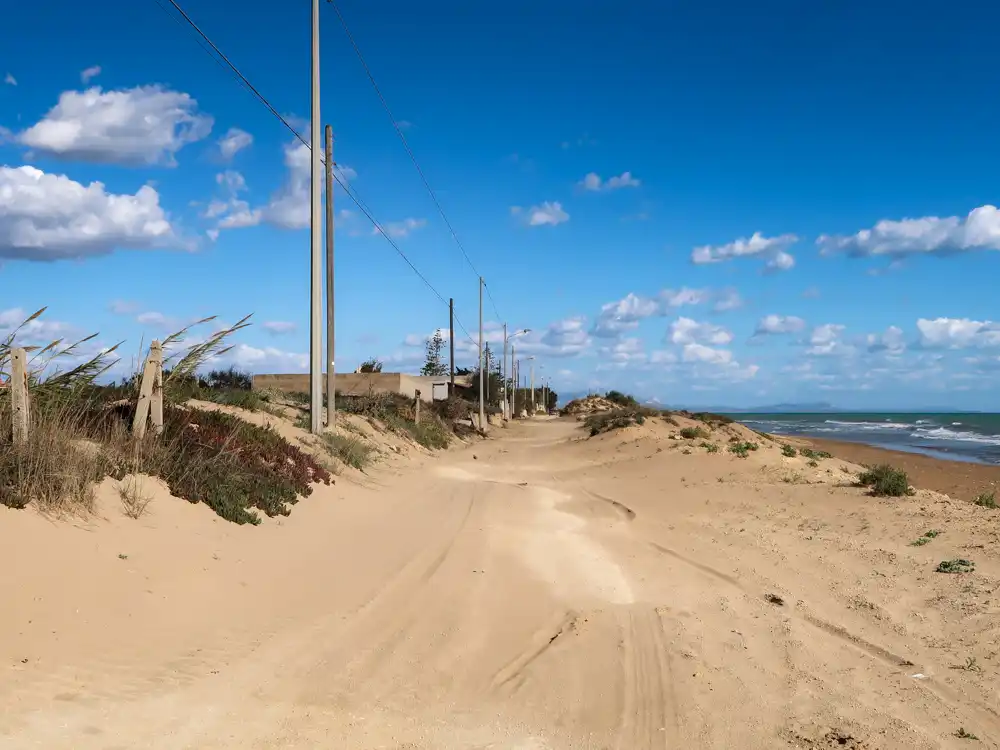
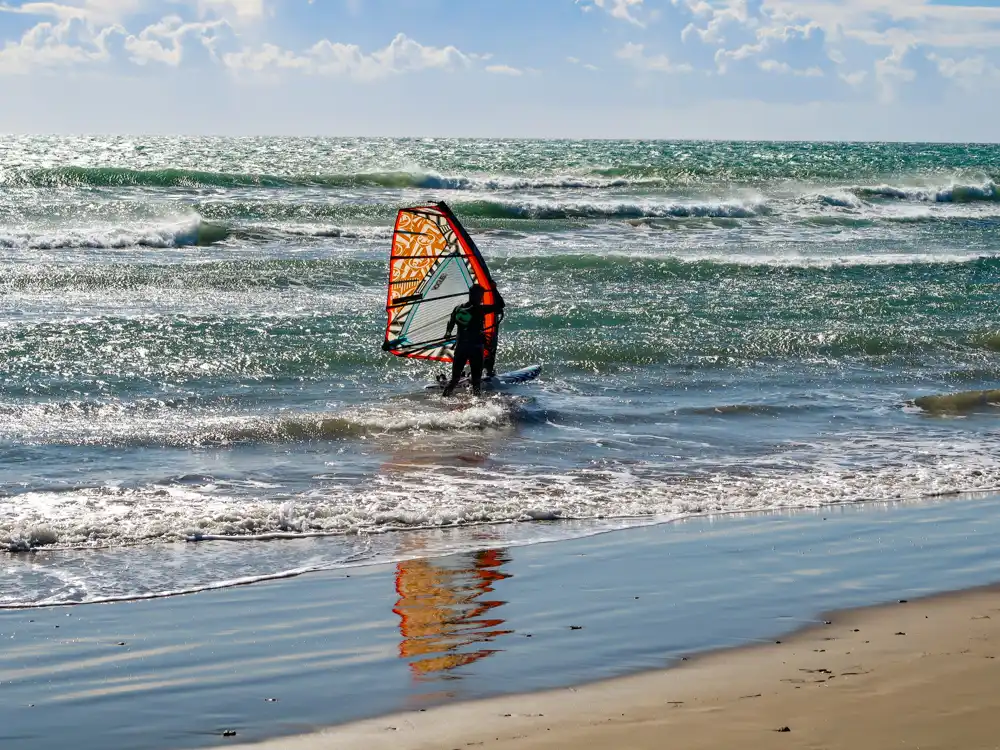
I follow one field-tested rule: ignore tourist brochures and look for beaten-up vans with surfboards lashed to the roof. Where the wind howls and watermen gather, the landscape never disappoints. I pointed the car southeast toward Capo Granitola. Jackpot.
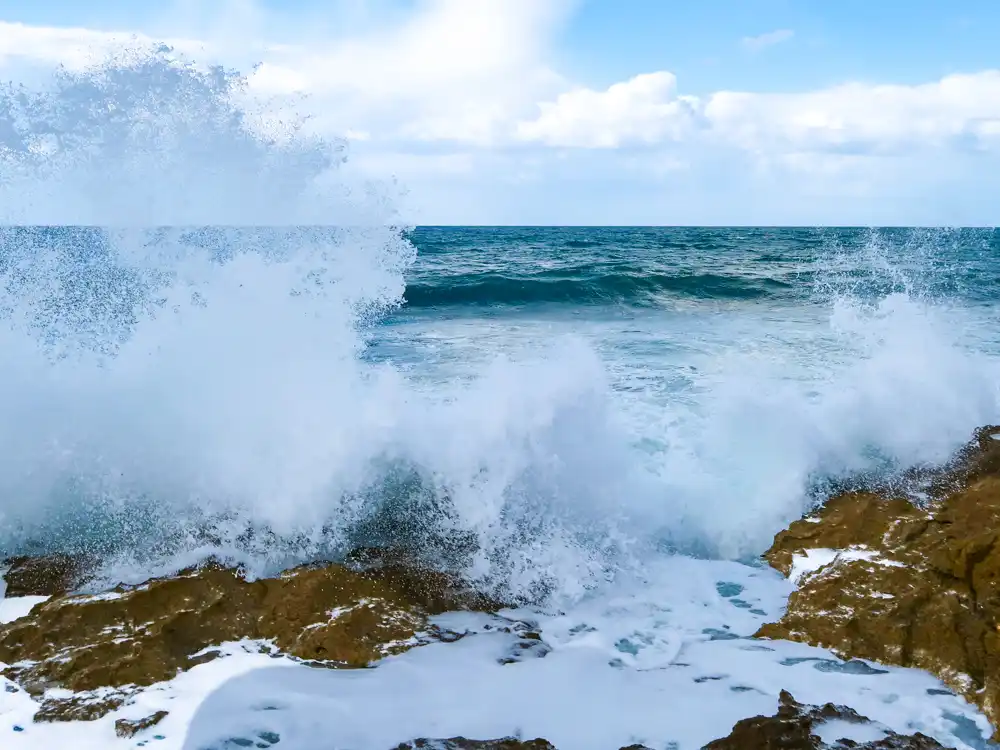
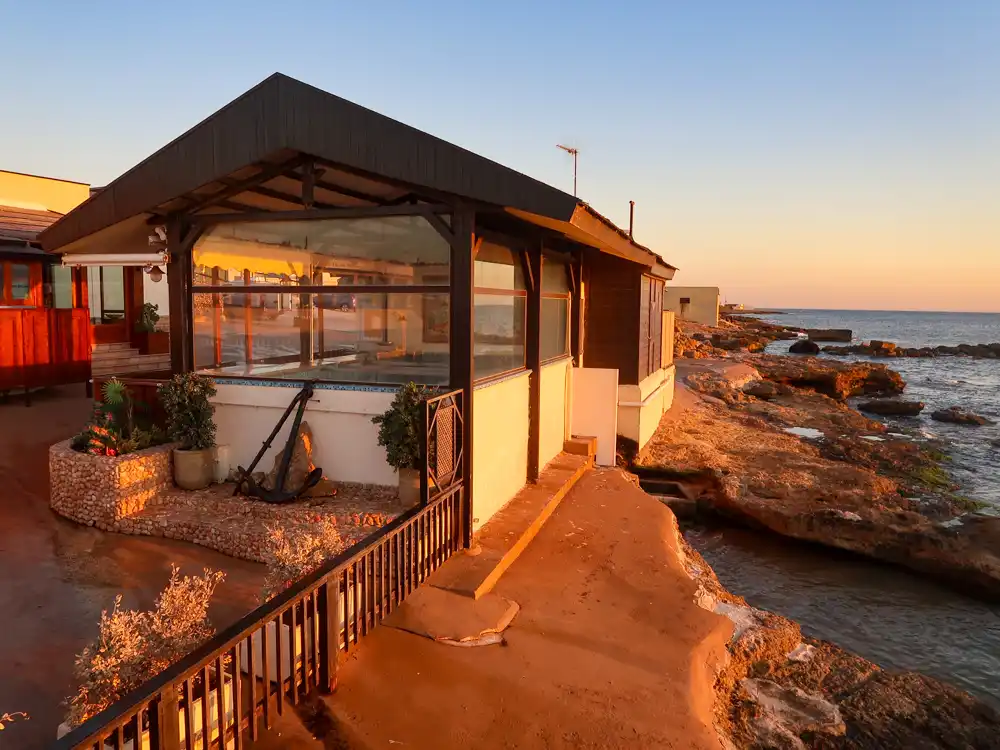
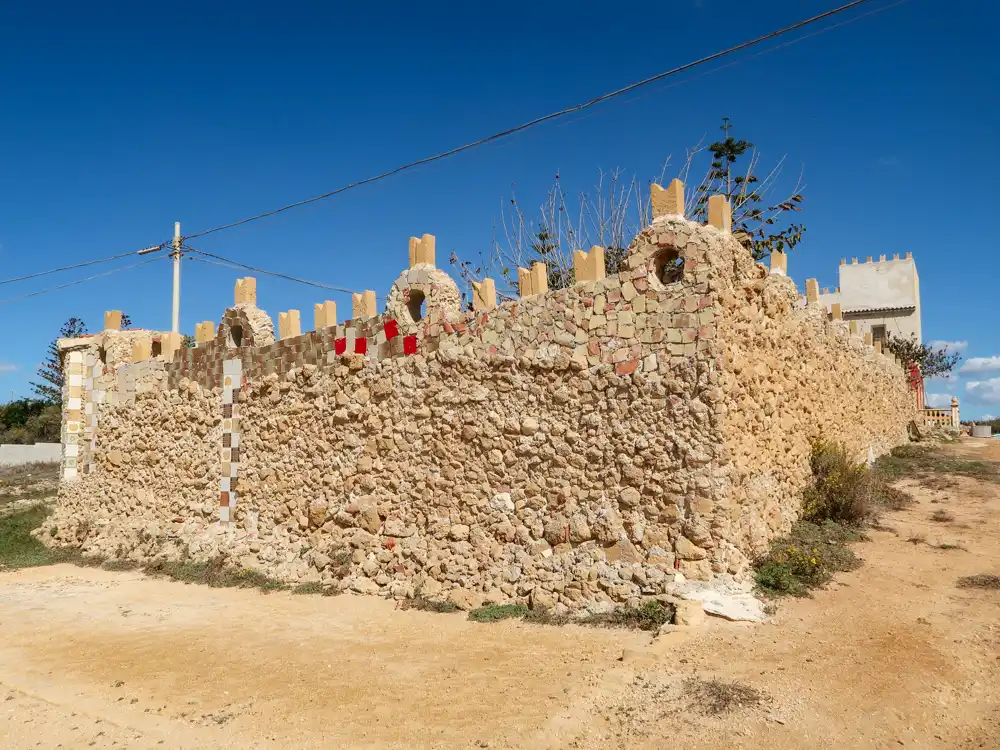
- The Saracen lighthouse: The raw stone fishing hamlet of Torretta Granitola sits guarded by an ancient lighthouse featuring a square stone defense tower. No tour buses, zero crowds. I knocked back a morning ristretto at a local dockside bar, watching white spray explode against the rocks.
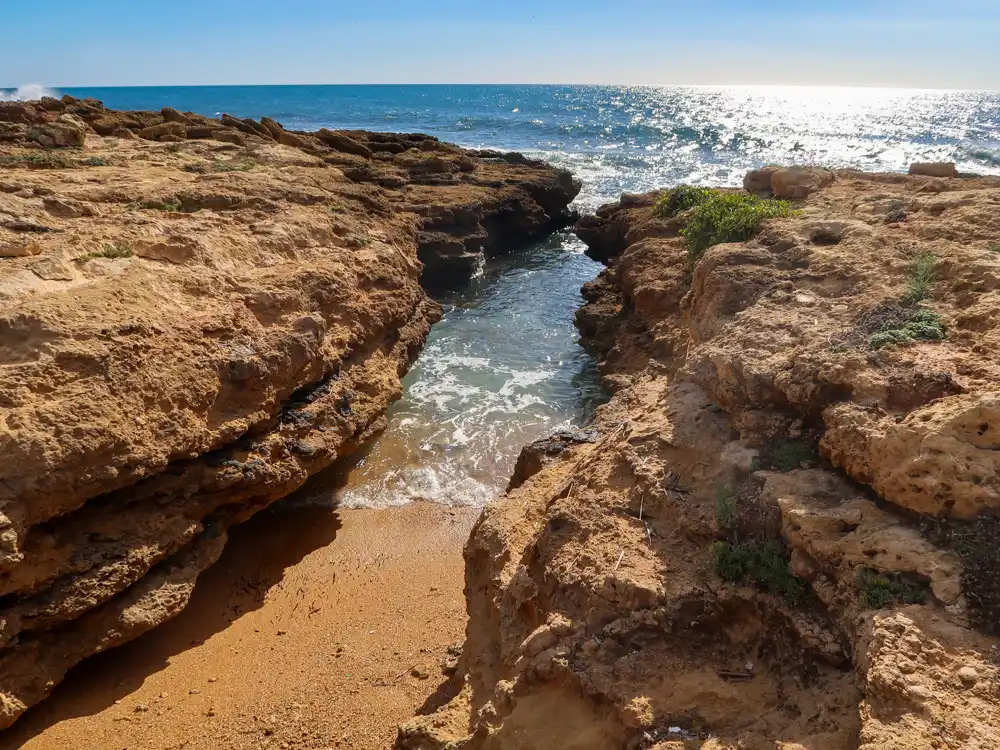
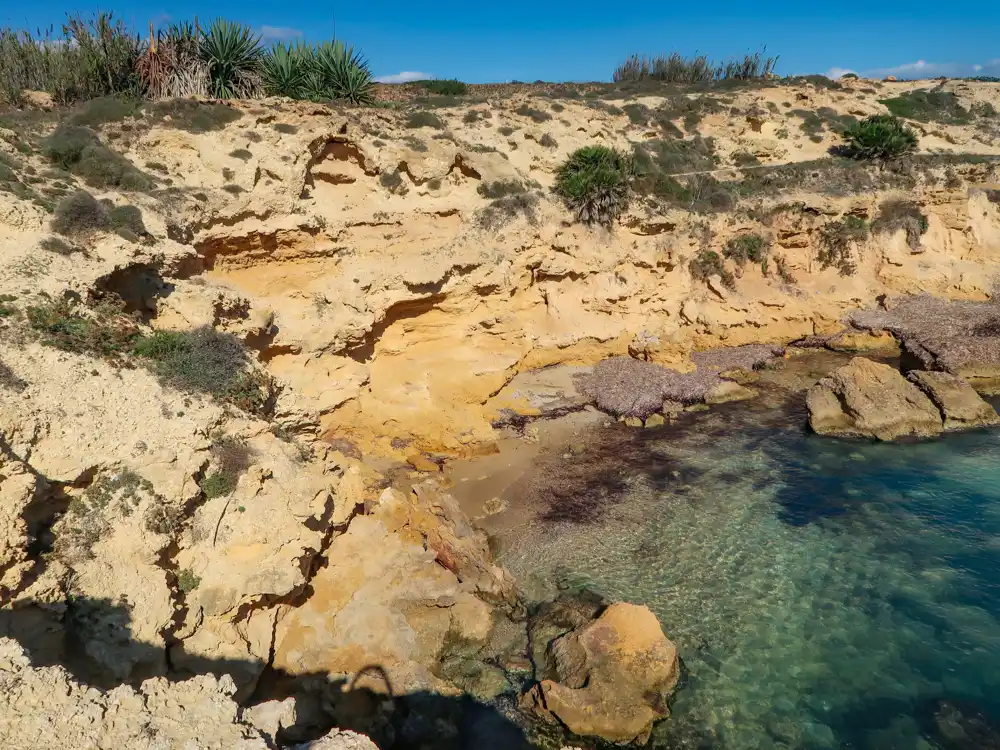
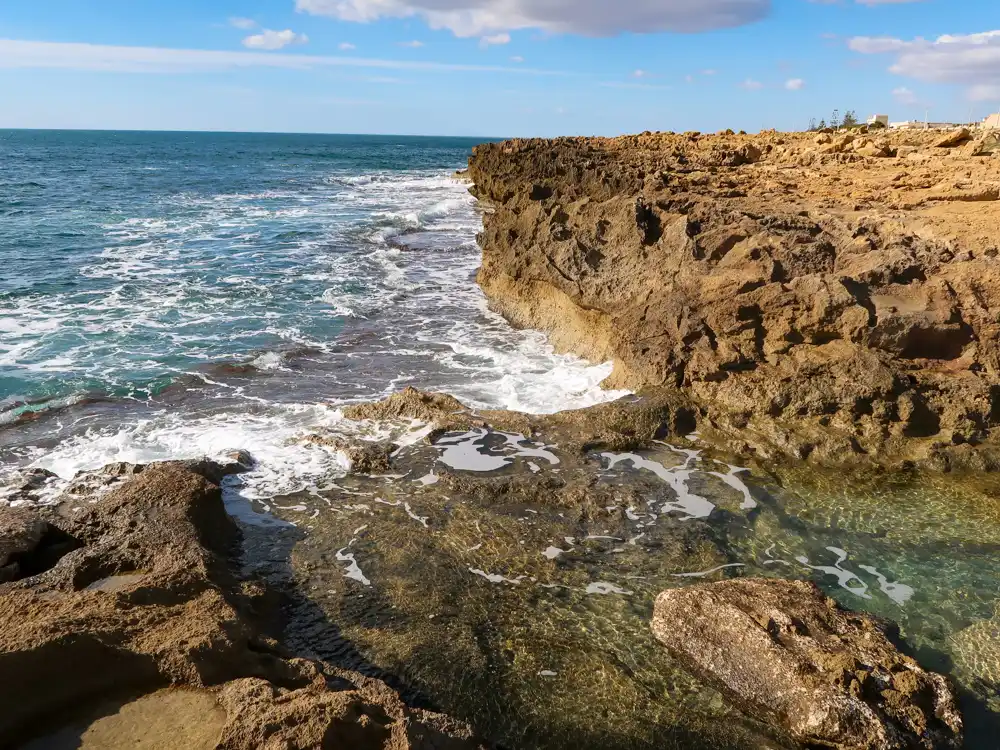
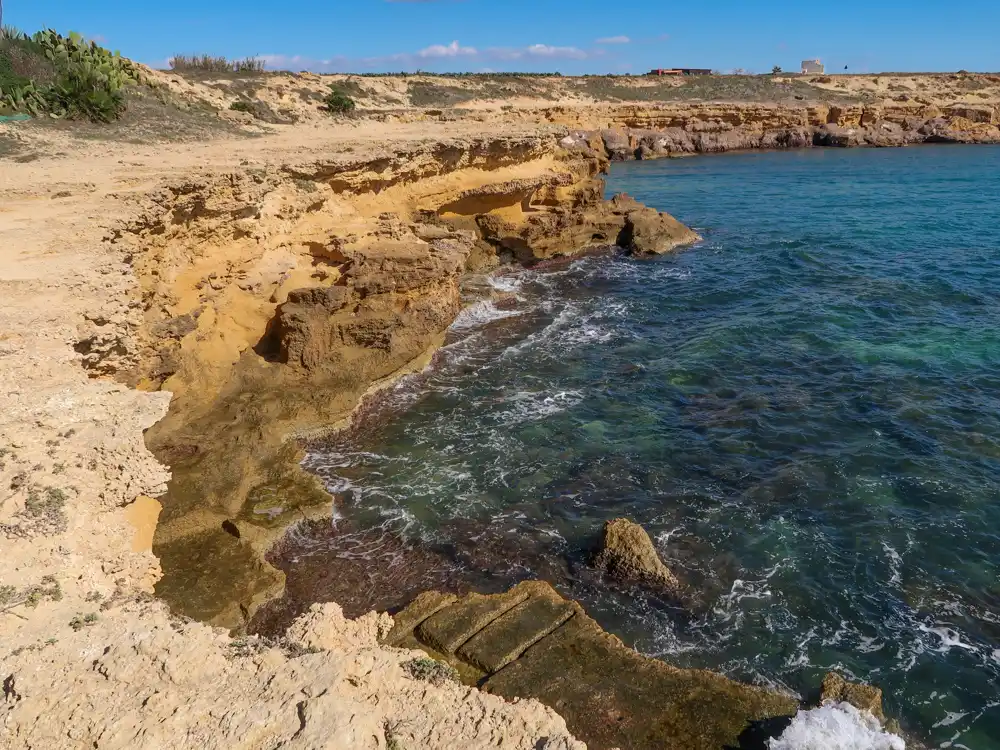
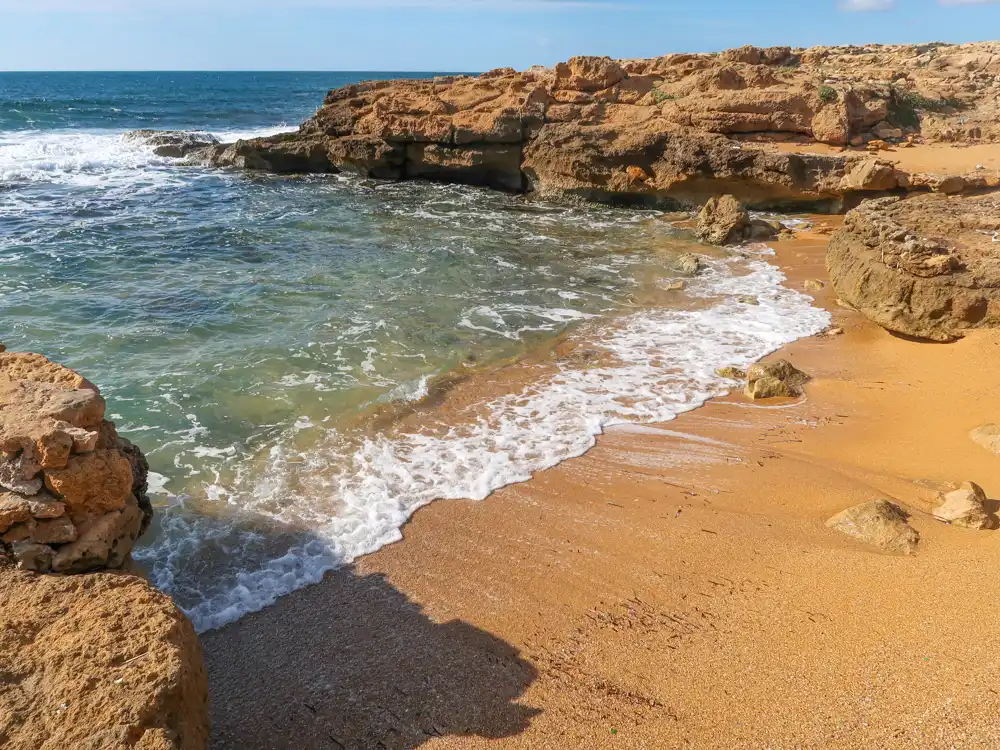
- The region’s premier coastal trail: Instead of dull sand, low sandstone terraces, narrow rocky tongues, and hidden lagoons carve out the coastline here. The walking path hugs the cliff edge. Wild Mediterranean scrub and dry grasses flank your inland shoulder, while golden sea shelves take the brunt of crashing waves on the other.
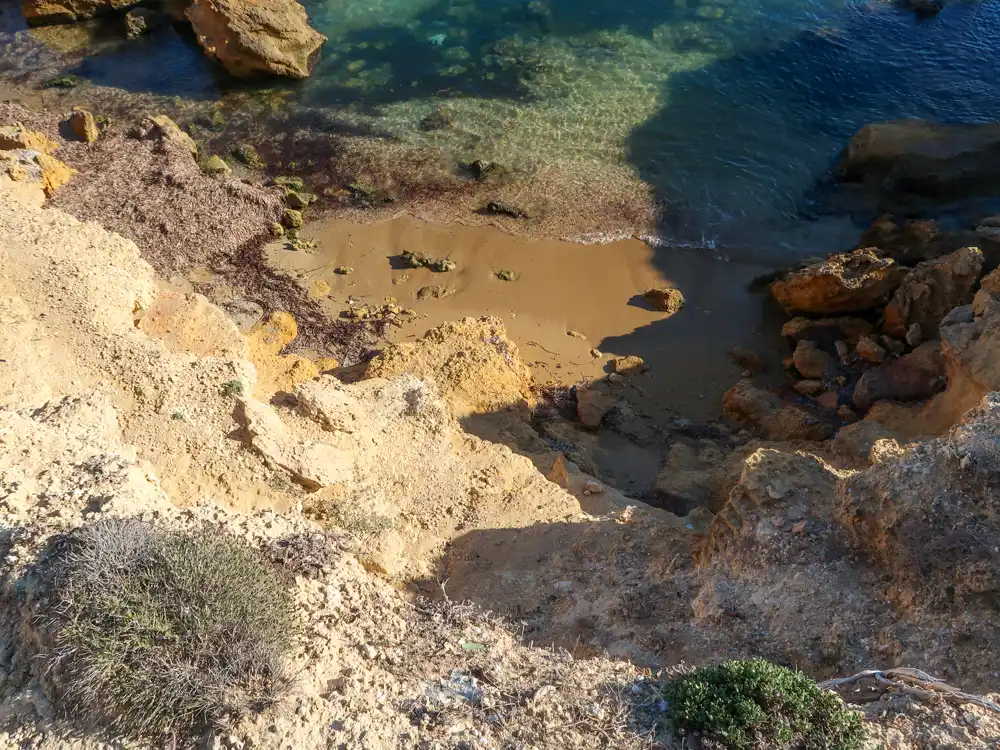
- Bathing in natural stone tubs: Every kilometer or so, you stumble onto a miniature pocket beach wedged between rock slabs. The rock bottom keeps the water Caribbean-clear. You hike or jog, break a heavy sweat, shed your gear, dive into the turquoise water, and hike on ten minutes later. Pure, unfiltered freedom.
Beachside Romance: Never Eat in a 40 km/h Gale
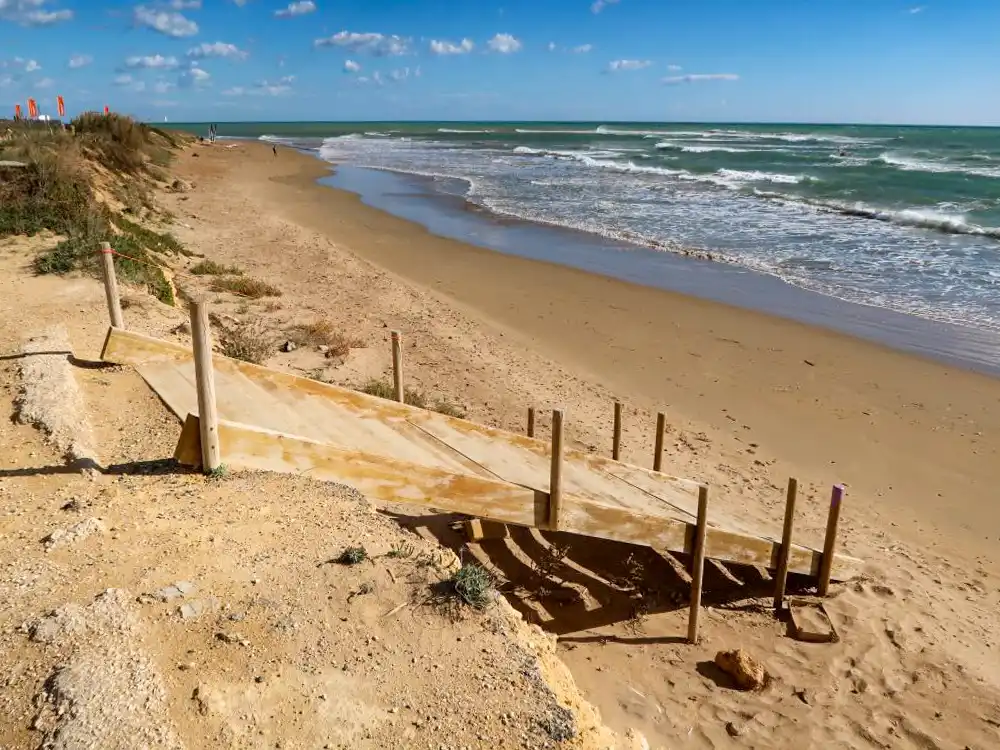
At Tre Fontane beach, I wanted to stage a classic Sicilian picnic. I stocked up on genuine goods: a solid wedge of aged parmesan, prosciutto crudo, brined olives, crusty bread, and a bottle of red Nero d’Avola. To do it in style, I unfolded a camping chair from the car boot, set it straight in the sand, and prepared to feast.
Crucial life advice: Never attempt this when a 40 km/h gale blows off the open water.
Within two minutes, pulverized beach sand infiltrated every single bite. It crunched inside the prosciutto, coated the cheese, settled into the olive oil, and formed a gritty sludge at the bottom of my wine cup.
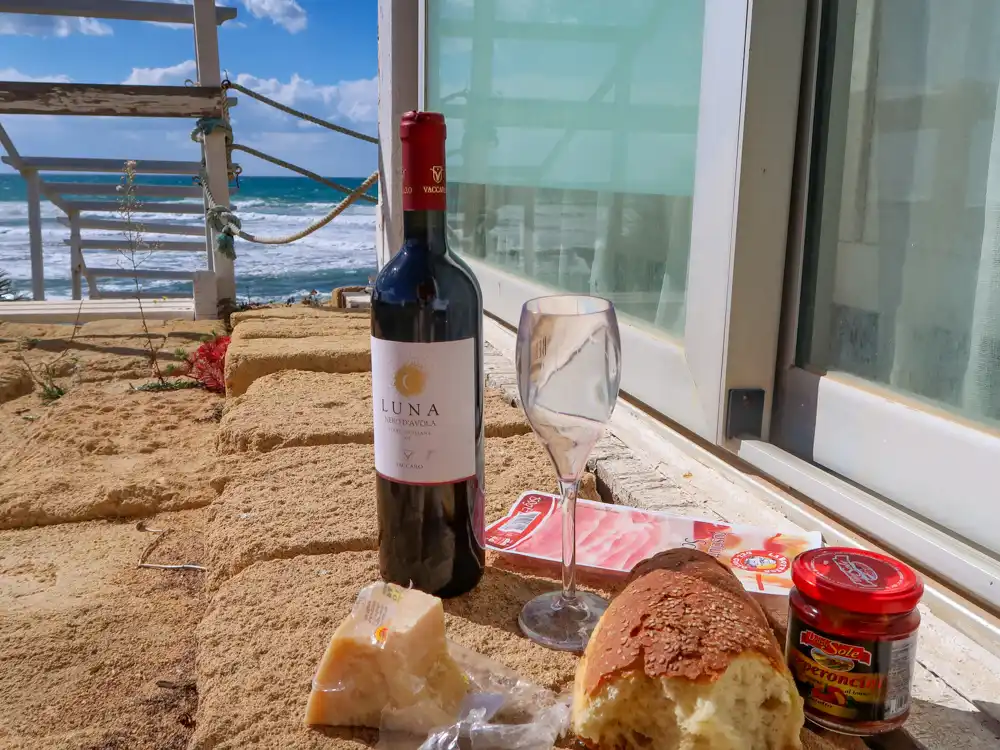
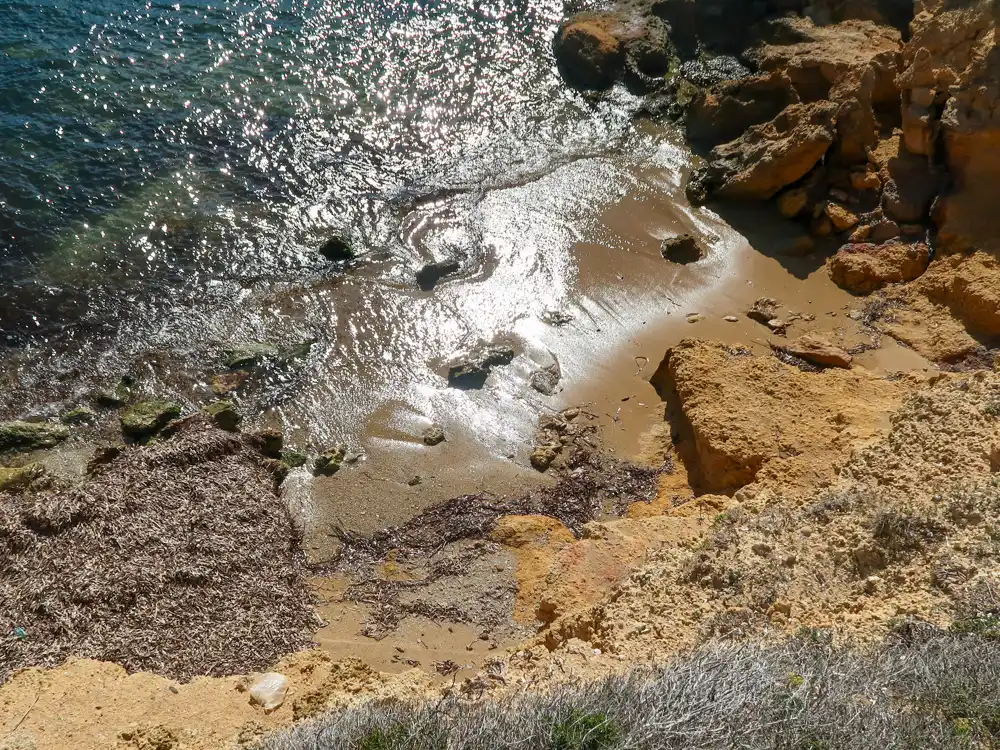
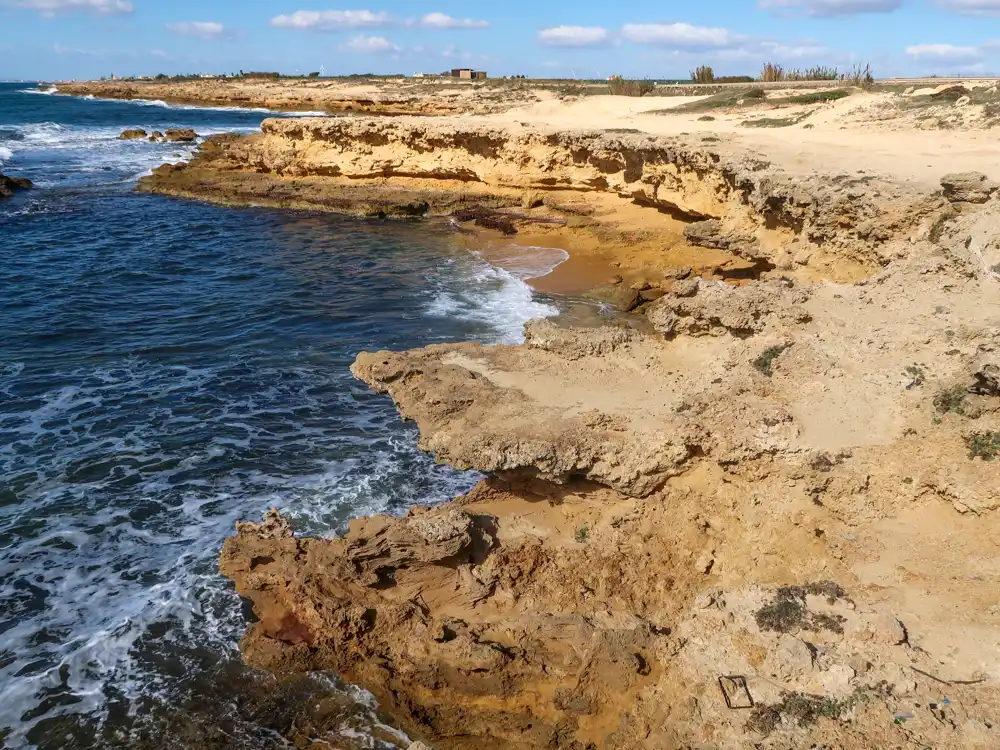
I sat there in the howling wind, chewing gritty cheese, washing it down with sand-dusted red wine, and laughing out loud at my own stubbornness. That, too, is real Sicily. Forget sterile tablecloths; this is the raw memory that sticks with you for life.
Mazara del Vallo: An African Medina, Baroque Piazzas, and Treasures from the Deep
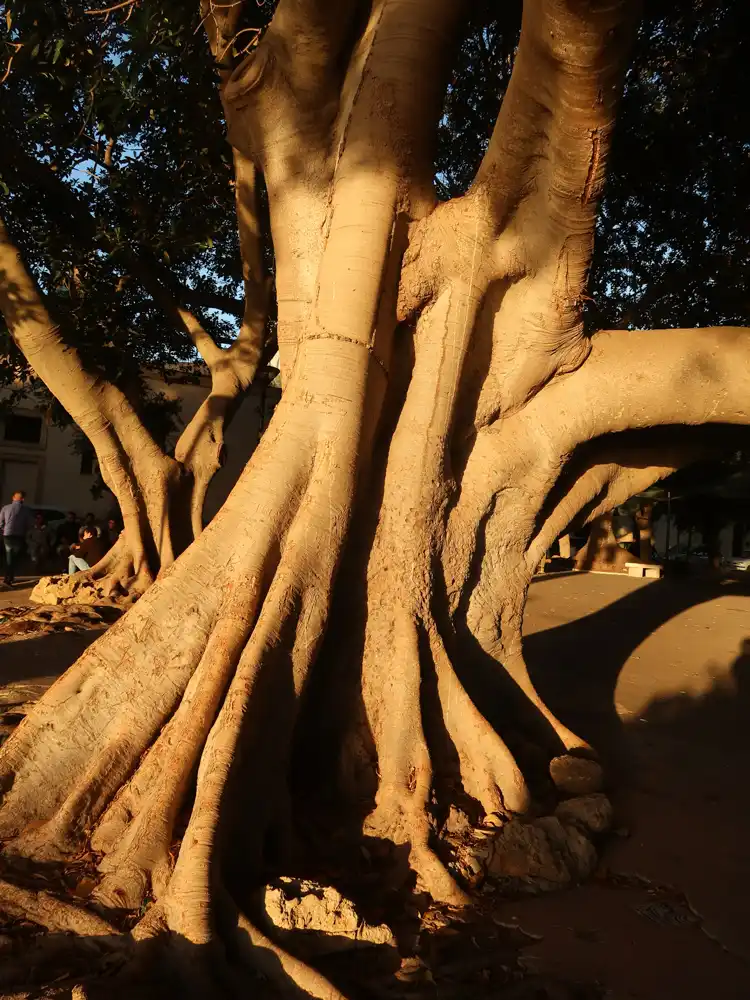
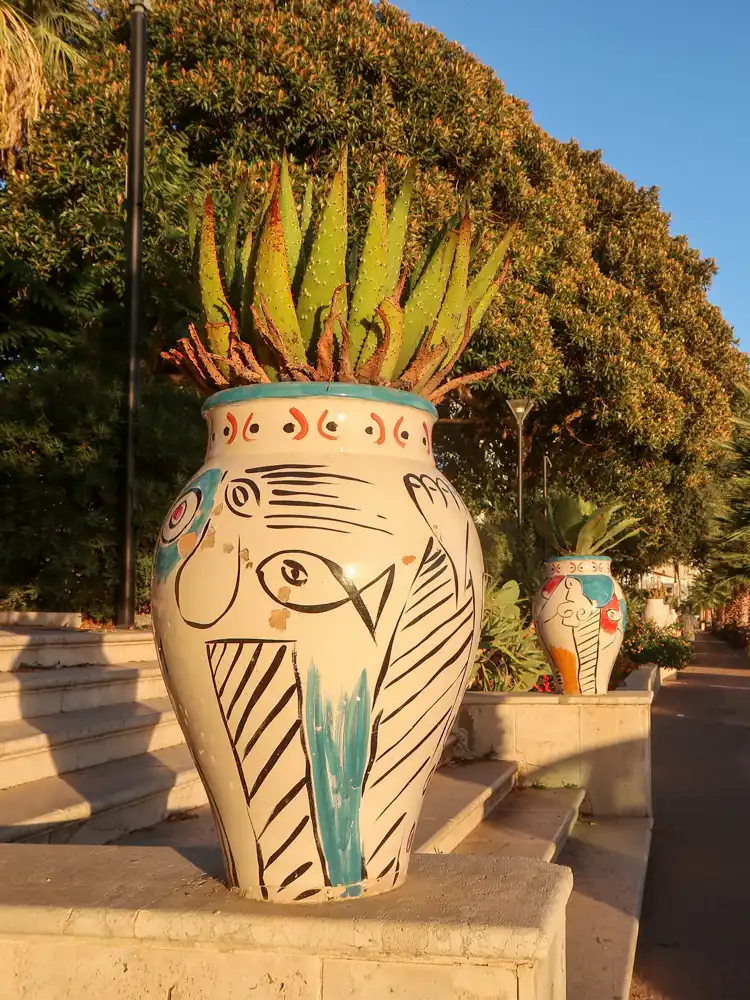
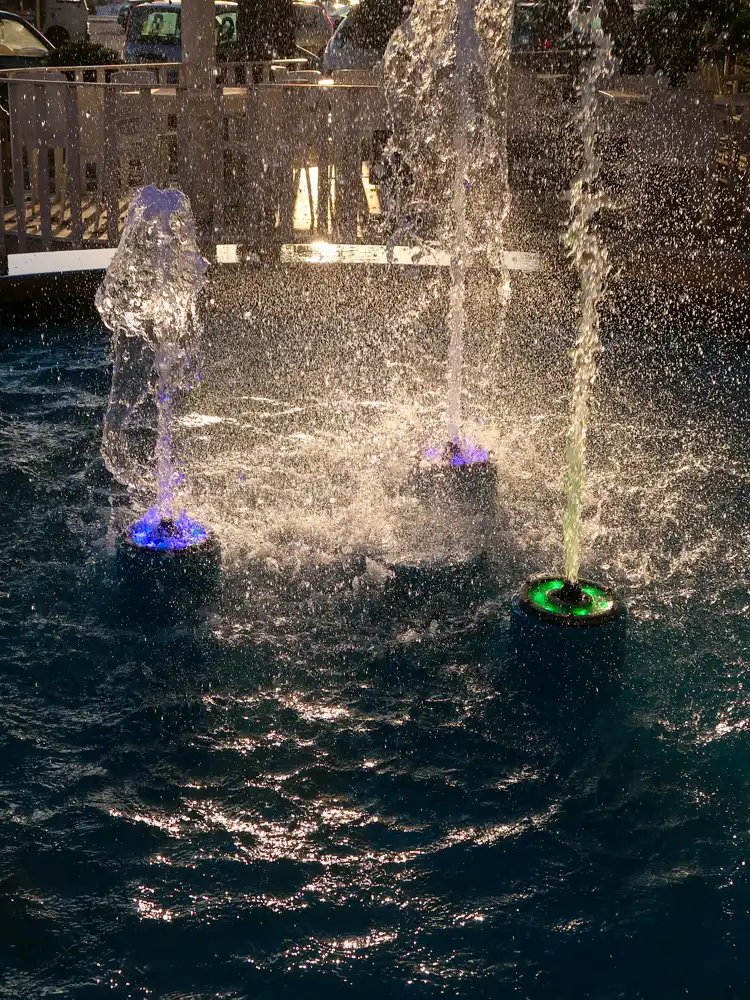
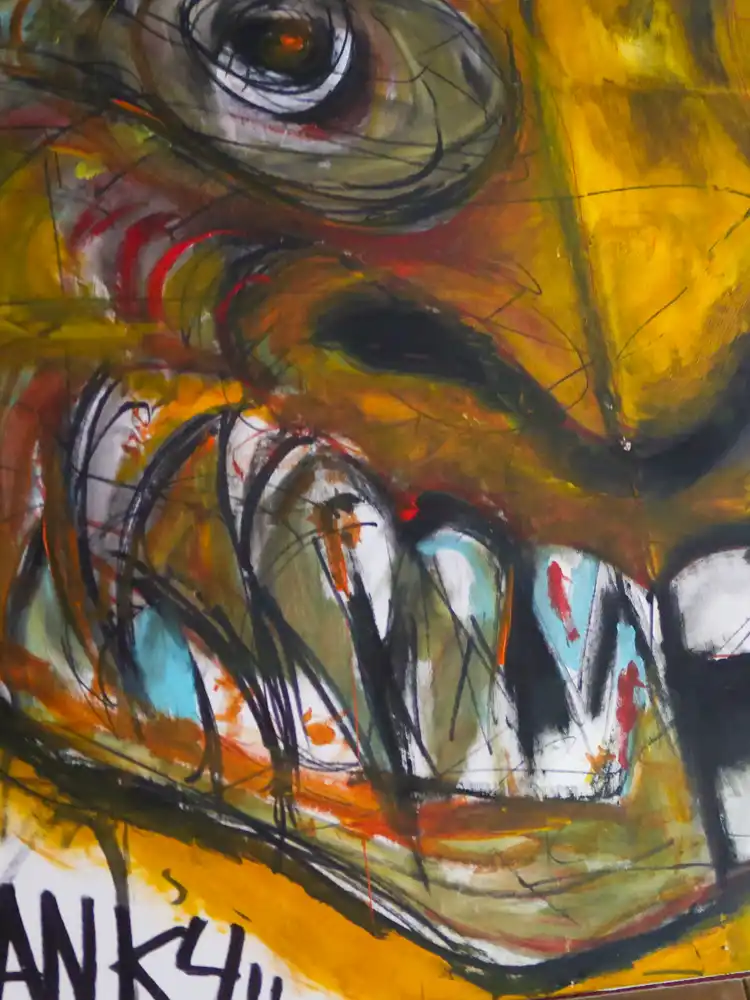
After days battling coastal winds, I set out to explore the town itself. Mazara del Vallo sits closer to the African coast than to Rome, and it wears that proximity proudly.
What to see?
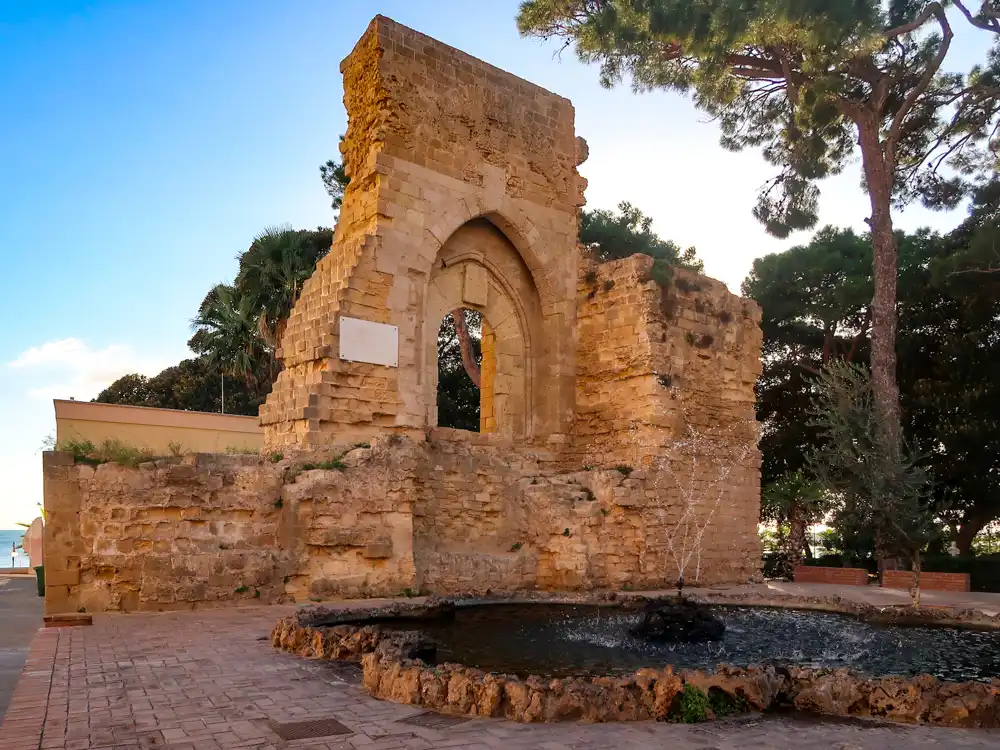
A preserved 9th-century Islamic medina. A maze of narrow, shaded alleys where walking straight for thirty meters is impossible. Hand-painted ceramic tiles decorate the walls, and the scent of jasmine mingles with seafood couscous from private courtyards. Home to a large Tunisian community, it feels like stepping straight into Tunis.
The town’s crowning marvel. In 1998, a trawler hauled up a 4th-century BC bronze statue from 500 meters beneath the waves. Today, the ecstatic dancing satyr rests inside the deconsecrated Sant’Egidio church. His inlaid alabaster eyes and wind-whipped curls give you instant chills.
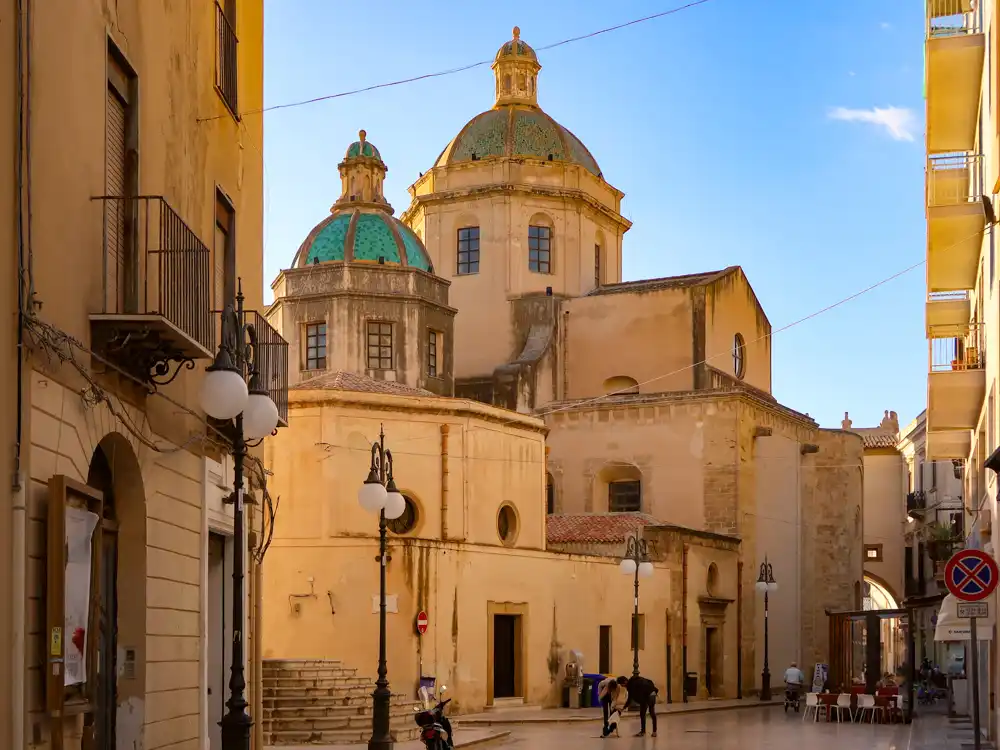
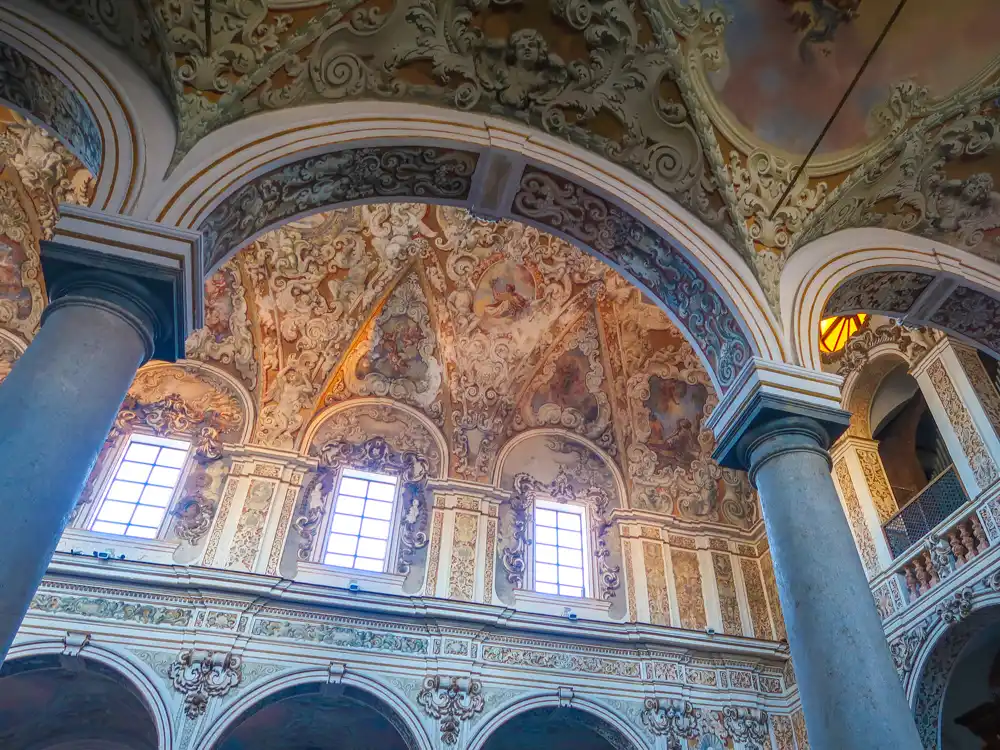
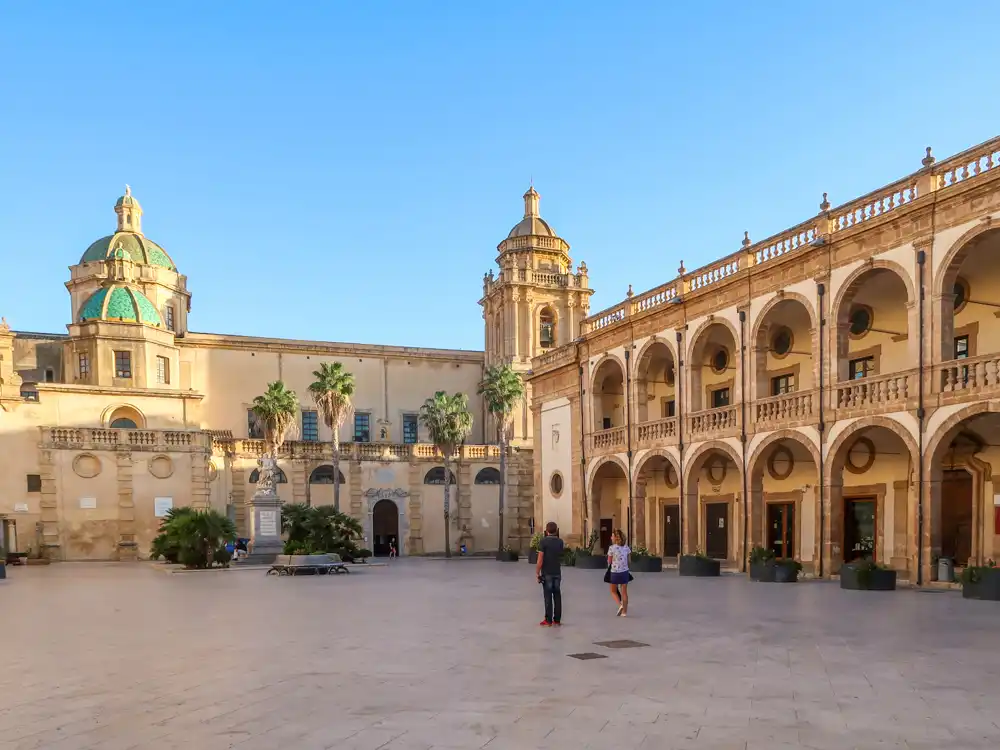
Step out of the Kasbah’s alleys and you spill onto a grand Baroque square. The Cathedral of San Salvatore and the Bishop’s Palace dominate the space. That abrupt clash between an Islamic medina and Catholic grandeur defines Mazara’s spirit.
Italy’s largest fishing fleet docks right in the river mouth. Come late afternoon, watch fishermen unload crates of famed red prawns (Gambero Rosso). Eating them raw with a squeeze of lemon by the quayside is an essential culinary stop.
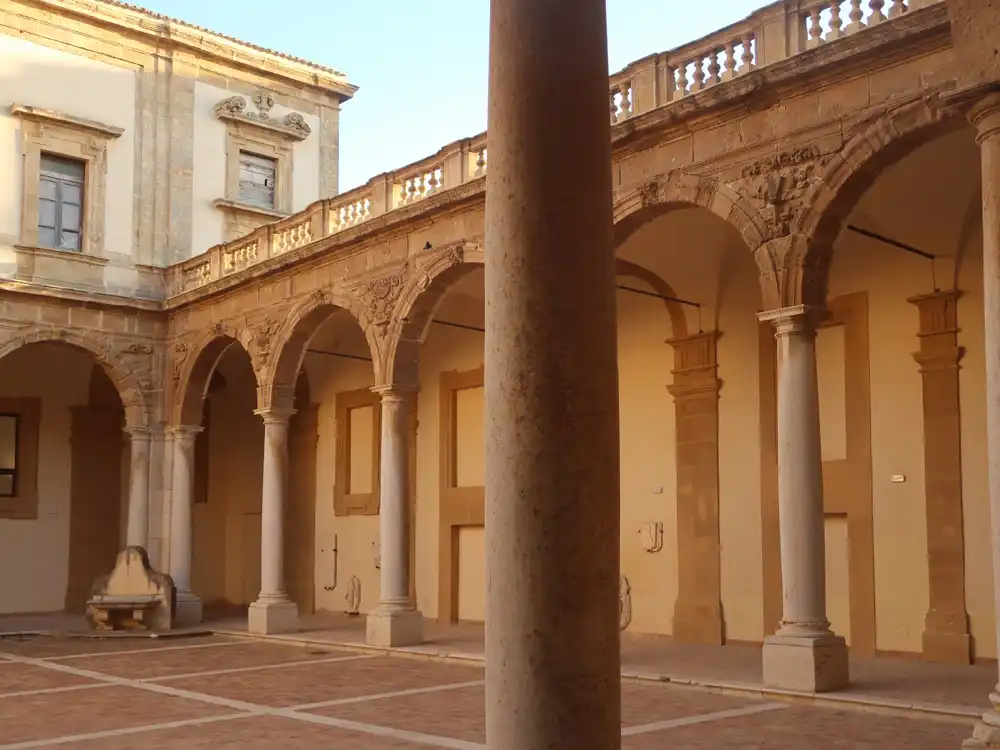
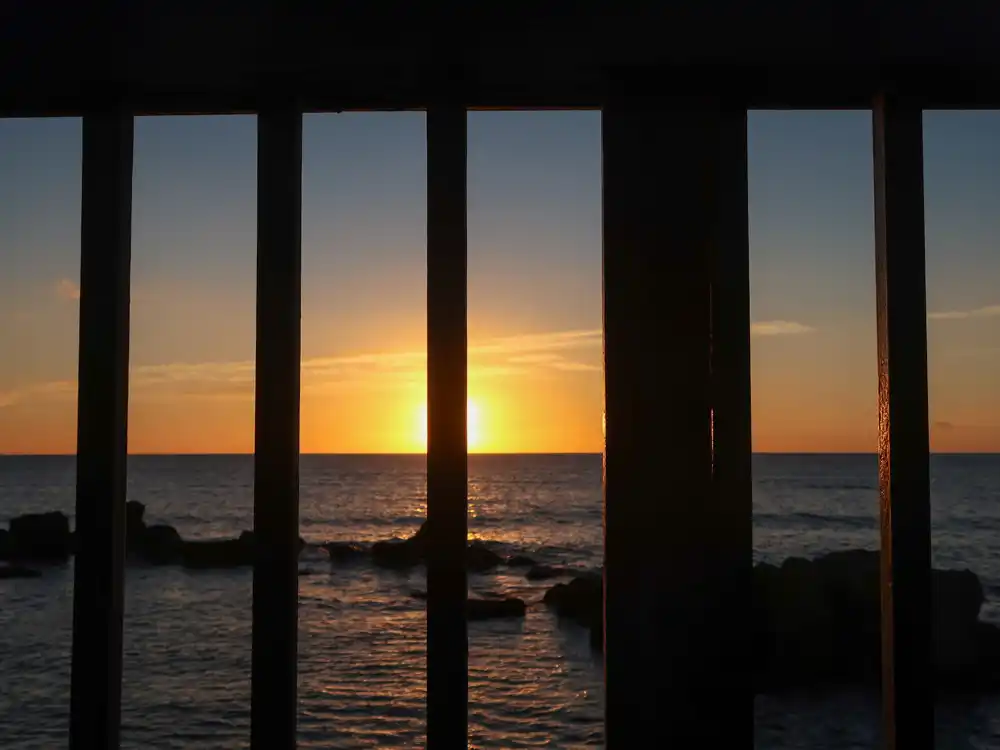
I wrapped up the day along the waterfront promenade, a cold beer in hand, watching the sunset bleed deep violet into the Mediterranean. The traveler’s ledger balanced out: dozens of hard kilometers logged, sea salt caked behind my ears, a belly full of sand, red prawns, and wine, and absolute stillness in my head.

Practical Tips for Mazara del Vallo & Granitola (Logistics)
- Parking in Mazara: Never attempt to drive into the historic core or the Kasbah maze (it is a strict ZTL camera-controlled zone with razor-thin corners). Leave your car for free in the sprawling lot right by the harbor (Piazzale Giovan Battista Quinci), directly adjacent to the seafront walk.
- Dancing Satyr Museum (Museo del Satiro): Located on Piazza Plebiscito in the center. Admission costs a few euros, and a walk-through takes roughly 45 minutes, but seeing this bronze wonder in person is a must.
- Capo Granitola and the lighthouse: Drive from Mazara along the coastal SP38 road (around 20 minutes). You can park free right at the small harbor beside the marine research center (CNR).
- Sandstone coastal hiking: The shoreline path from Granitola toward Tre Fontane crosses low rock shelves. Wear light trail shoes; the broken calcarenite plates are far too sharp for barefoot walking.
- Local dining: Do not miss the local cultural crossover: Couscous di pesce (steamed semolina simmered in rich seafood broth) paired with raw Gambero Rosso prawns. You will find outstanding, unassuming family trattorias tucked into the alleys of the Kasbah.
Frequently Asked Questions (FAQ)
Yes, entirely. It is a lively, welcoming residential quarter filled with families, neighborhood cafes, and artisan workshops. Locals take immense pride in their multicultural heritage, and the main paths remain well-lit through the evening.
Most of the shoreline at Capo Granitola is rocky, with tricky entries over slippery stone shelves. Families with children will have a much easier time on the shallow, gently sloping sands of Tre Fontane or Tonnarella.
Without question. The historic core, the Kasbah, the port, and the main museums span an area of just a few hundred meters. Walking is the only way to soak in the town’s atmosphere properly.