The total number of victims is estimated at over one million. Oświęcim: Auschwitz and Birkenau stand as a memento and a lesson that remains crucial to this day.
Specific estimates regarding the number of victims in Auschwitz vary. The total figure—which includes Holocaust victims, political prisoners, Roma, gay people, individuals with disabilities, and other groups—is estimated at over one million. Auschwitz and Birkenau serve as a memento and a reminder for today’s world.
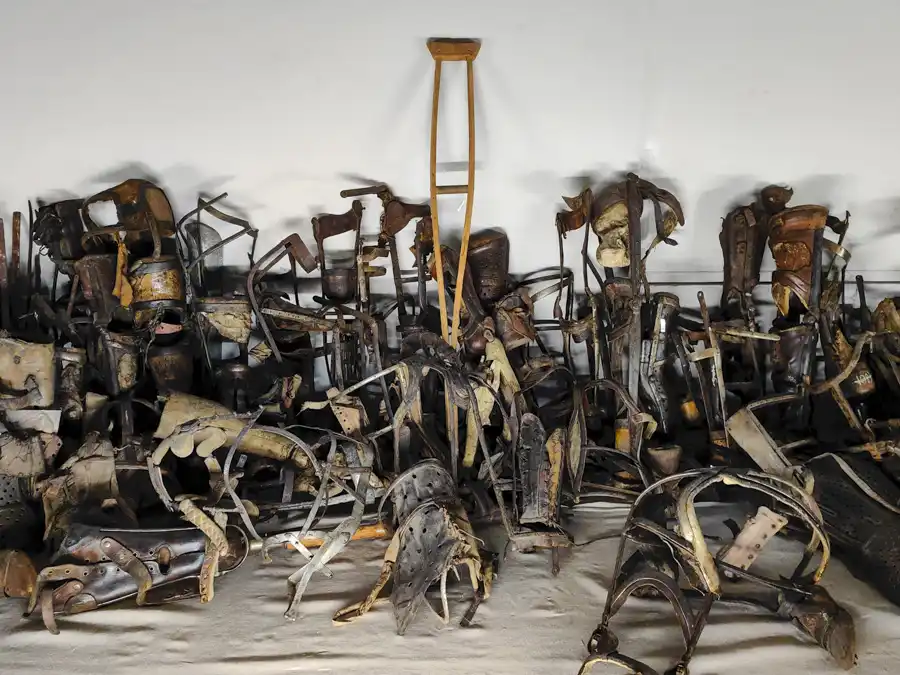
The official figure of 1.4 million victims includes those who died in gas chambers, from exhaustion and brutal conditions in labor camps, disease, malnutrition, violence, or through direct execution. It was one of the most horrific places on Earth during World War II and remains a primary symbol of Nazi terror and genocide.
We set off by train from Krakow.
Auschwitz
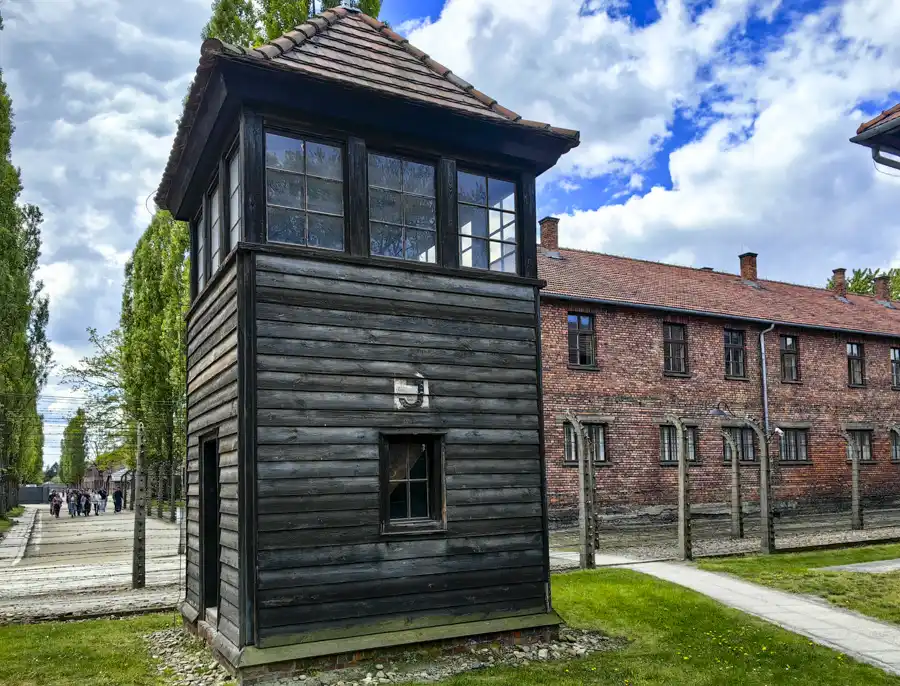
Auschwitz was a Nazi concentration and extermination camp network during World War II, located on the outskirts of the town of Oświęcim in present-day Poland. Opened in 1940, it initially served as a prison and labor camp for political prisoners. Over time, it developed into the central complex for the systematic extermination of Jews, Roma, Poles, and other groups deemed enemies or undesirable by the Nazi regime. Very few modern neo-Nazis are willing to acknowledge that Slavs were slated to be next in line during the cleansing of Germanic blood.
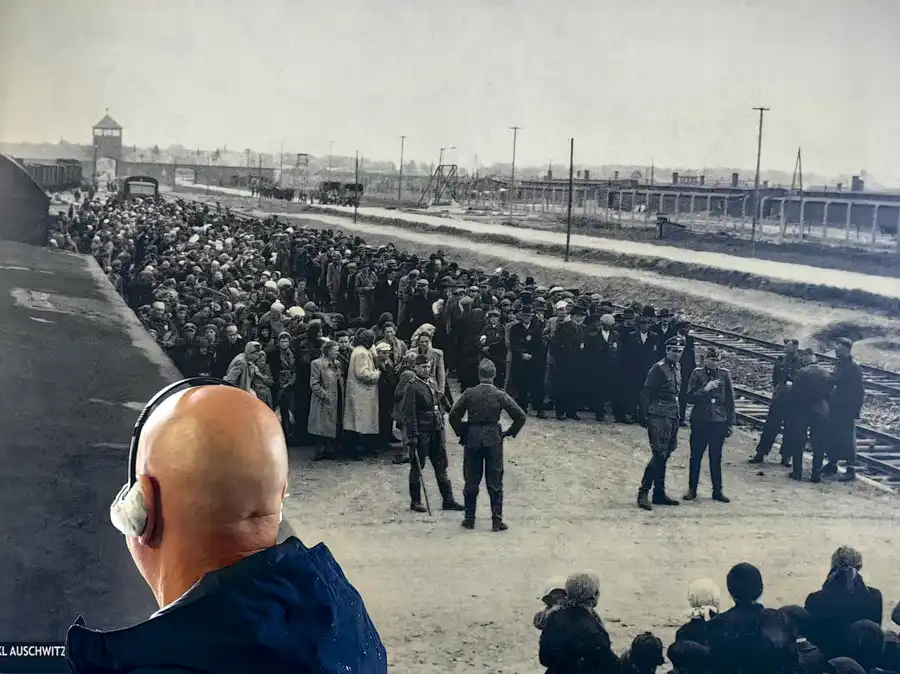
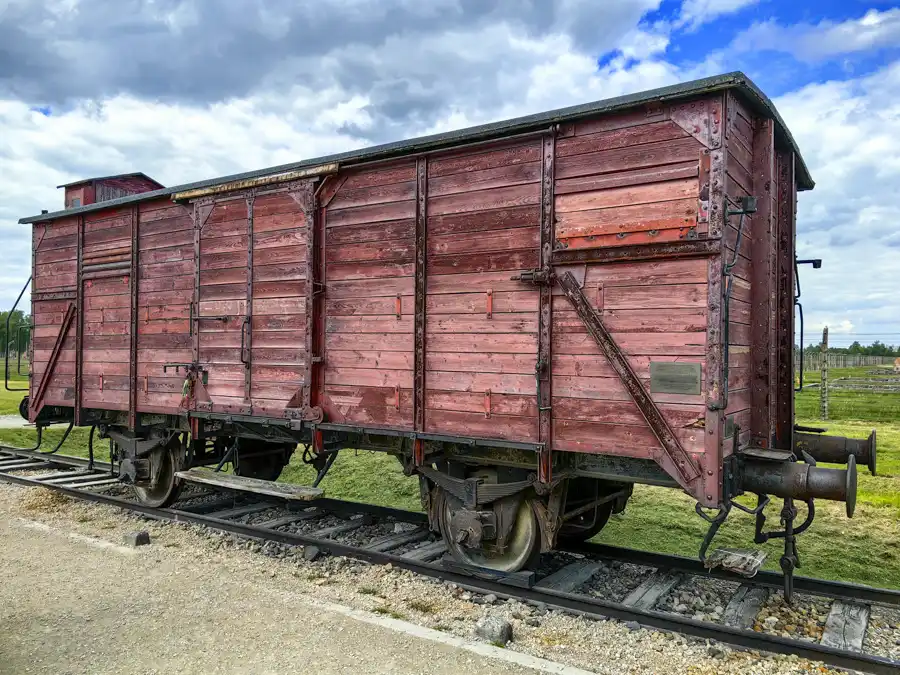
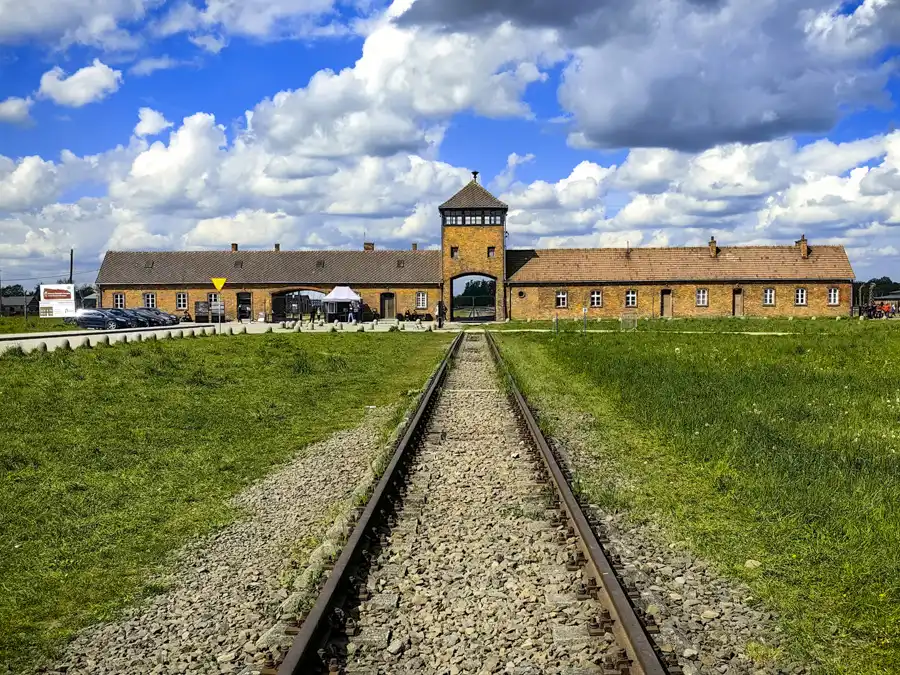
The main administration for both primary camps was located in Auschwitz I. The earliest political prisoners were registered and photographed upon arrival. Later, during the mass transport of Jewish and Roma populations, prisoners were merely logged. By the third phase after 1944, even this registration ceased, and rail cars were routed directly to the extermination sectors.
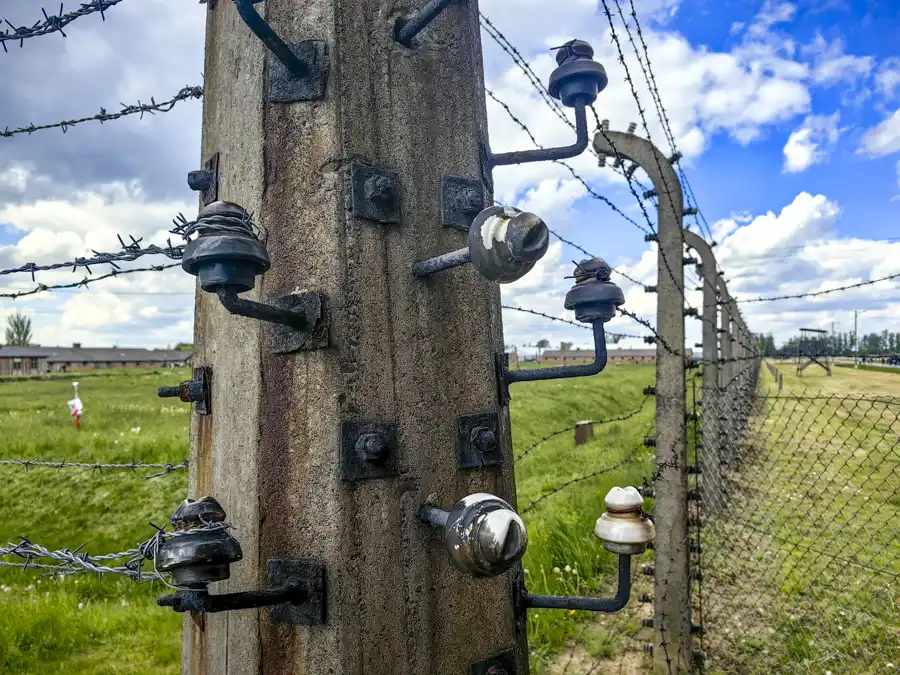
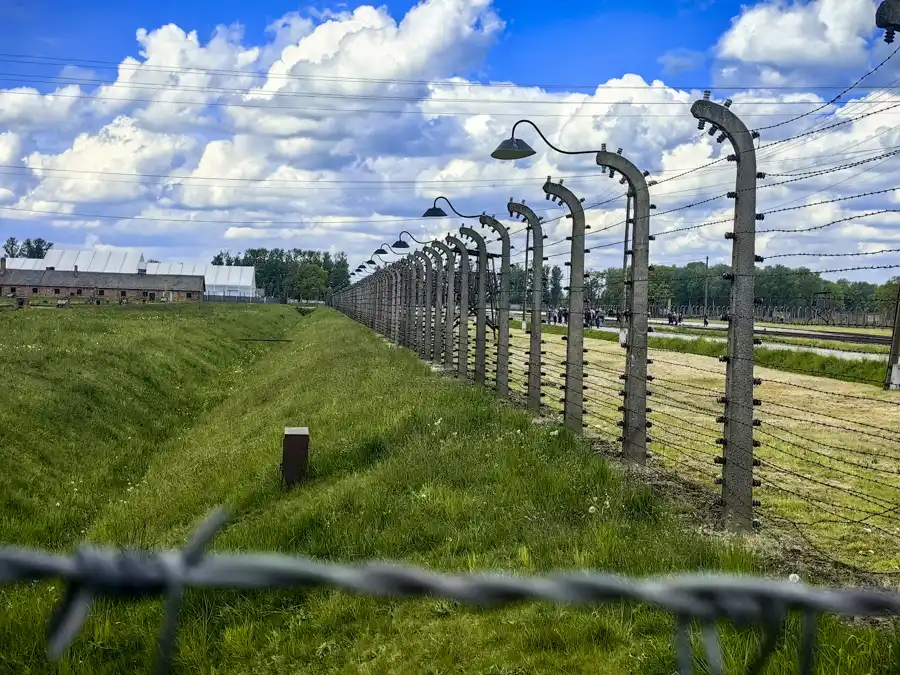
Anyone who crossed into the death zone never made it back past the fence alive.
The Death Zone
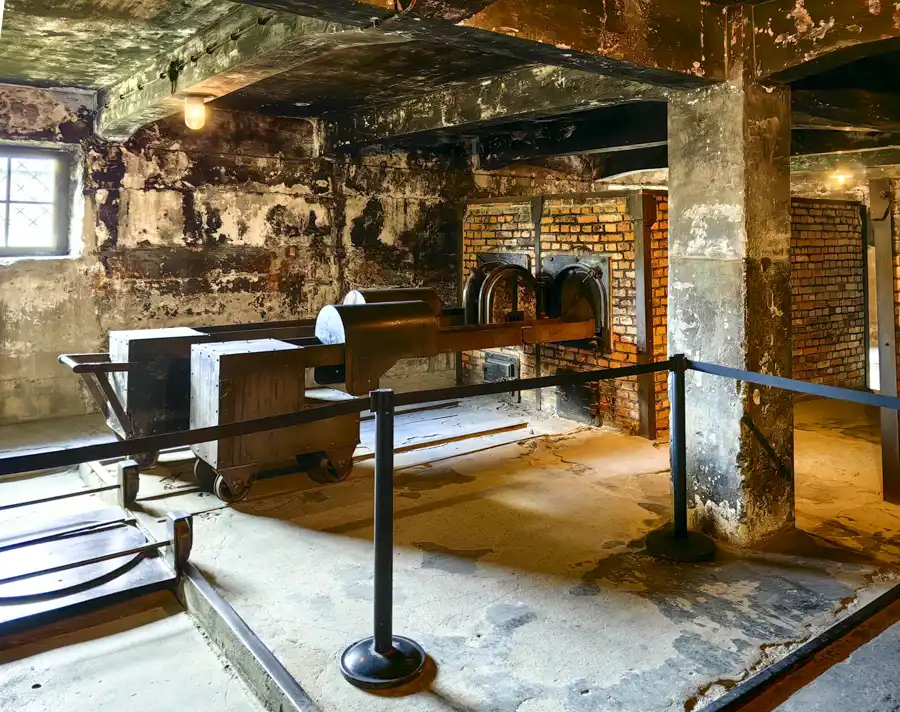
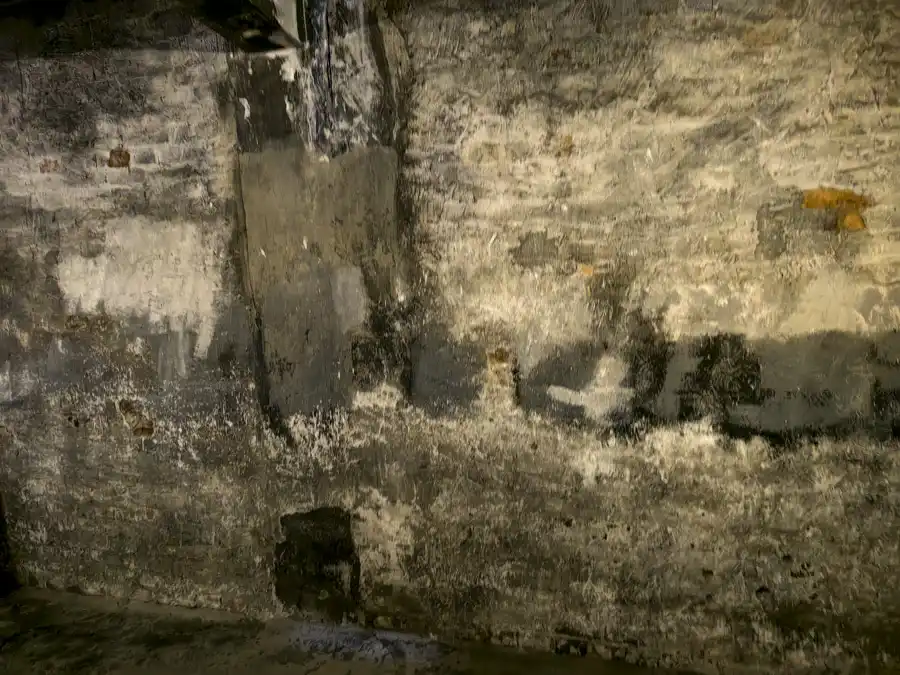
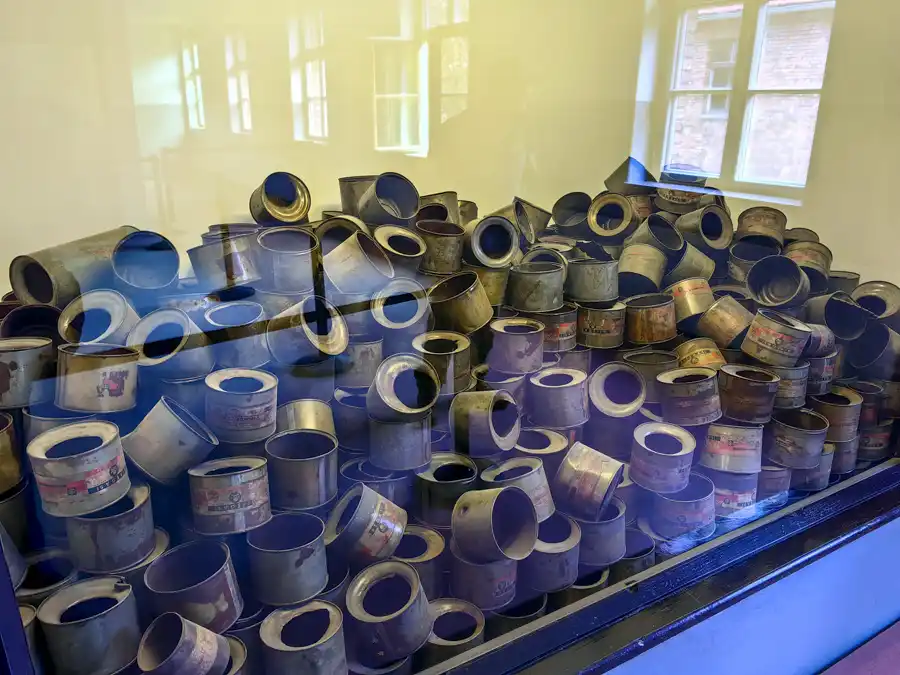
Auschwitz I and Auschwitz II-Birkenau formed the largest parts of this complex. In Birkenau, the Nazis constructed two giant gas chambers and crematoria to execute mass murders using lethal gas. A single can of Zyklon B was enough to kill two hundred people.
Brzezinka
Also known as Birkenau, this facility functioned primarily as an extermination camp. The Germans situated it in the small woodlands on the opposite side of town. As the largest and most terrifying camp within the complex, it was the site of mass executions via two gas chambers using Zyklon B. Countless others succumbed to inhumane labor conditions, disease, and starvation.
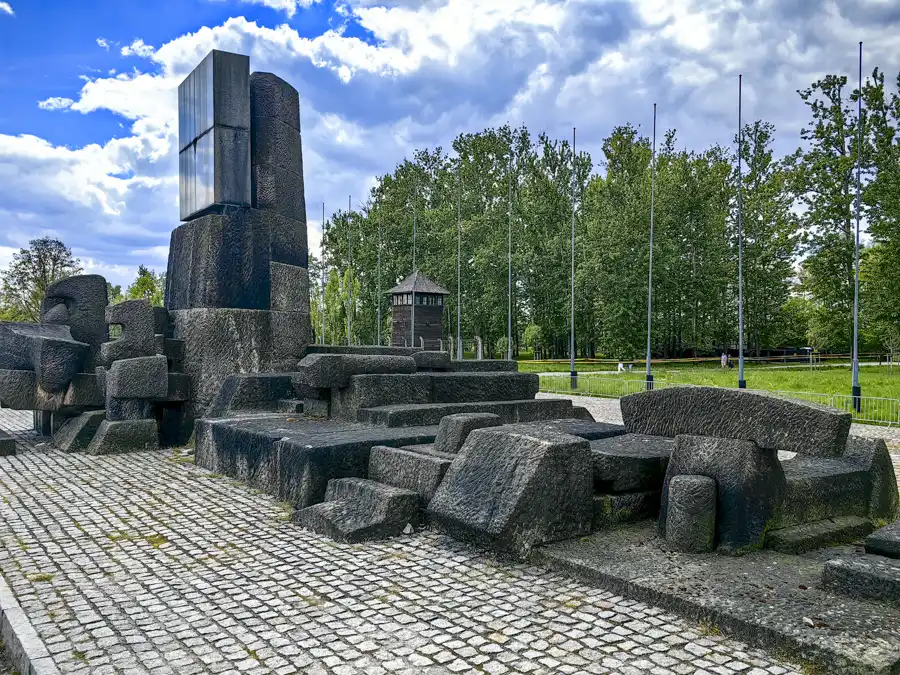
Today, the entire Auschwitz-Birkenau complex is preserved as a memorial and museum commemorating the victims of the Holocaust and Nazi terror, where 1.5 million people lost their lives. Especially today, amid the rise of neo-Nazism and extremism, it remains a vital site for preserving the memory of the horrors of intolerance and war, underscoring the importance of standing against racism, xenophobia, and violence.
Sectors of the Birkenau Camp
Birkenau (Auschwitz II) was vast and divided into several distinct sectors:
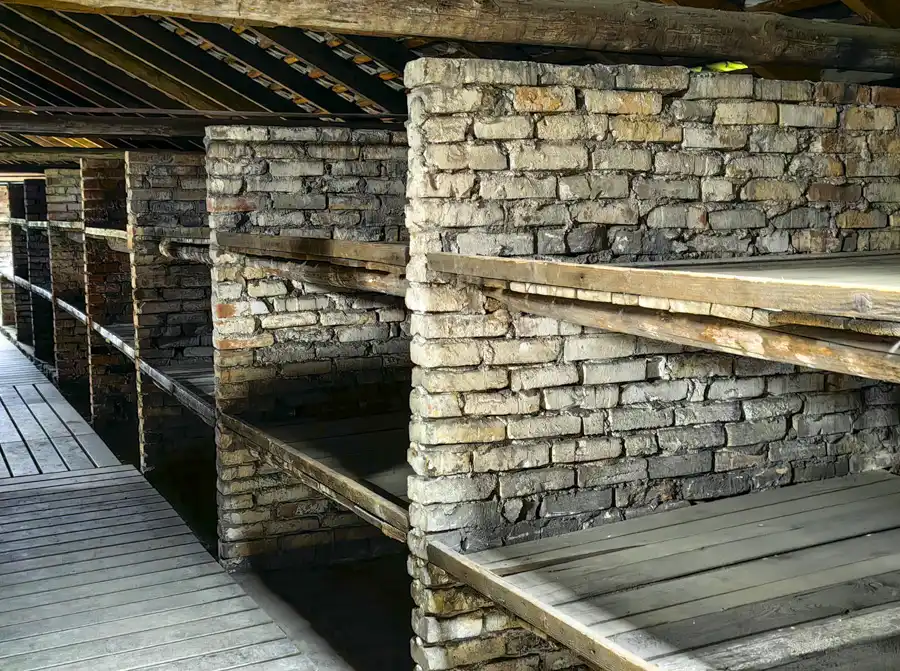
- Jewish Sector (“Mexico”): Originally designated to hold Jewish prisoners living in overcrowded barracks under inhumane conditions.
- Political Prisoners Sector (“Canada”): Reserved for political prisoners and those accused of acts against the Nazi regime.
- Roma Sector (Zigeunerlager): Designated for the imprisonment of Roma, who were subjected to the same atrocious conditions as Jewish prisoners.
- Labor Sector: Specific areas of the camp held prisoners selected for forced labor in nearby industrial plants or agriculture.
These sectors defined the brutal reality of life in Birkenau. Those who survived the initial selection process faced cruel abuse, starvation, disease, and systematic violence.
The Terezin Sector
The Terezin sector served a chillingly specific propaganda purpose. Inside, one could find a dining hall, real bedding, children’s play sets, a playground, and slides. It existed for a single reason: when a transport carrying children arrived, they were placed here for a few hours and filmed. The footage was then sent to Theresienstadt (or other assembly camps) to show parents how “well” their children were being cared for. In reality, most of these children were sent to the gas chambers that very evening.
This proved to be an effective tactic for coercing people into boarding transport rail cars—parents voluntarily signed up to follow their children. As Nazi officials later admitted, their most difficult task was maintaining hope in their victims until the very final moment.
“Uncle” Mengele
Josef Mengele—a German physician and SS officer known for his cruel and inhumane experiments on inmates, particularly children—had his own designated area in this sector. He performed medical experiments primarily on twins imprisoned in the camp. His procedures were painful, unethical, and frequently fatal, involving surgeries without anesthesia, deliberate infection with diseases, insulin shocks, and other forms of torture. He even operated his own crematorium within the sector. His primary objective was to uncover genetic traits to support Nazi racial ideology.
Initially, Mengele was disarmingly popular among the children in the camp. Imagine a malnourished, lonely child whose daily ration consists of a single potato and a bread crust, approached by a friendly adult offering an orange, chocolate, or candy. Naturally, they would follow him into his sector.
After the war, Mengele evaded justice, living under various aliases across multiple countries. He was never captured or extradited, eventually dying in Brazil in 1979. His atrocities remain a stark reminder of why society must ensure such horrors are never repeated.
Nazi Hell
Key commanders of the Auschwitz-Birkenau camp included Rudolf Höss, who served as the first commandant from its opening in 1940 until 1943. He was responsible for organizing and expanding the camp, as well as conducting the initial gas experiments. Arthur Liebehenschel succeeded him in 1943, overseeing Auschwitz I, Auschwitz II-Birkenau, and Auschwitz III-Monowitz. Richard Baer took over in 1944, presiding over the camp during the peak period of mass extermination in Birkenau’s gas chambers.
These men were directly responsible for the deaths of at least 1.4 million people from across Europe through mass executions, systematic extermination, and medical experimentation. Following the war, most of them were tried for war crimes and sentenced to death.
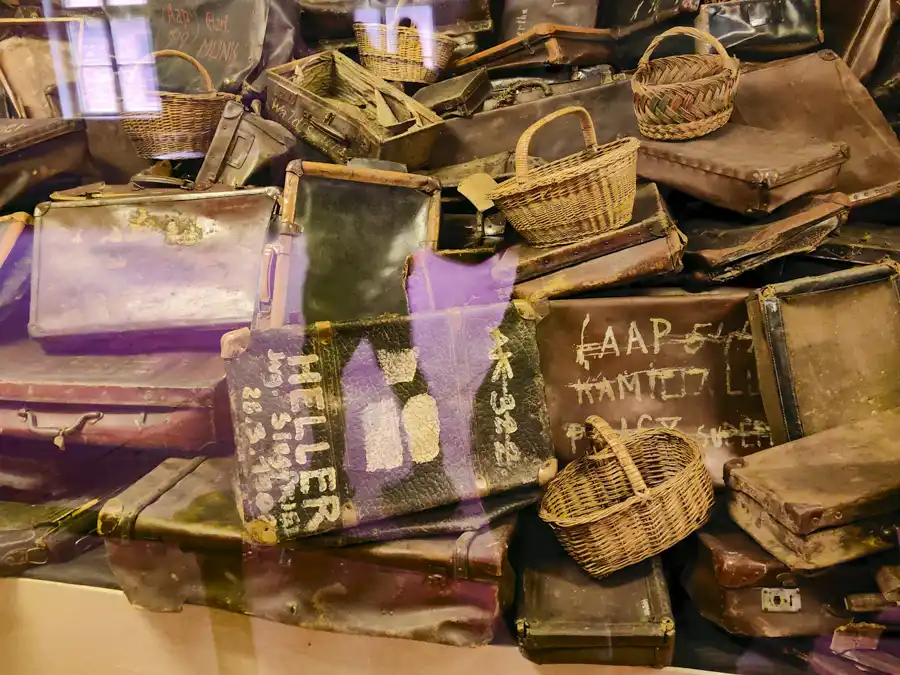
However, much of the forced manual labor was carried out by the Sonderkommando, comprised of prisoners themselves. They were forced to sort confiscated belongings during selections and manage the operation of the gas chambers and crematoria. On the camp’s final day, Nazi forces herded the remaining Sonderkommando members into the chambers and blew both structures up to destroy all evidence and eliminate eyewitnesses.
Epilogue
Nearly eight decades after these atrocities, almost two million people visit the memorial museum each year. Walking along the barbed wire separating the sectors, one sees many young people and school groups—an encouraging sign. We live in troubling times where various voices attempt to question or downplay these atrocities. Those who fail to learn from history are often doomed to repeat its hell.
The most prominent execution of a high-ranking commandant at Oświęcim was that of Rudolf Höss. After the war, Höss was captured by British military forces and interrogated. During questioning, he confessed to his crimes and provided detailed evidence regarding the operation of the camp.
Höss was sentenced to death by a war tribunal and hanged at Auschwitz on April 16, 1947, in the death zone right beside the gas chamber—the exact location to which he had personally sent hundreds of thousands of prisoners. His execution marked one of the few instances where key perpetrators of Nazi atrocities were brought to justice directly at the site of their crimes.