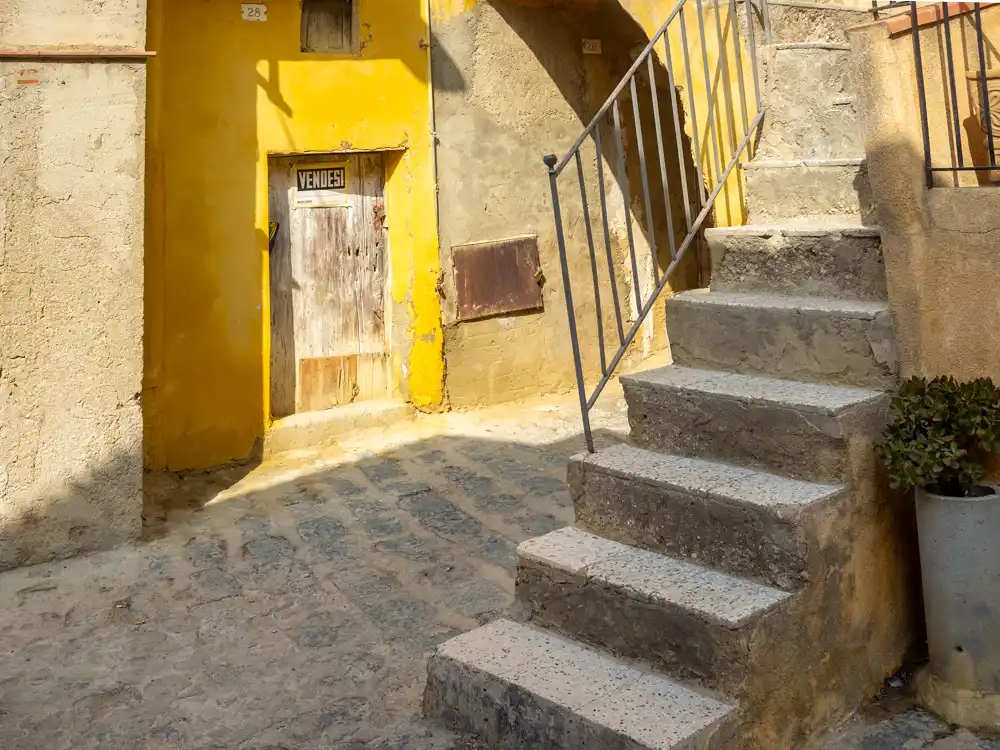
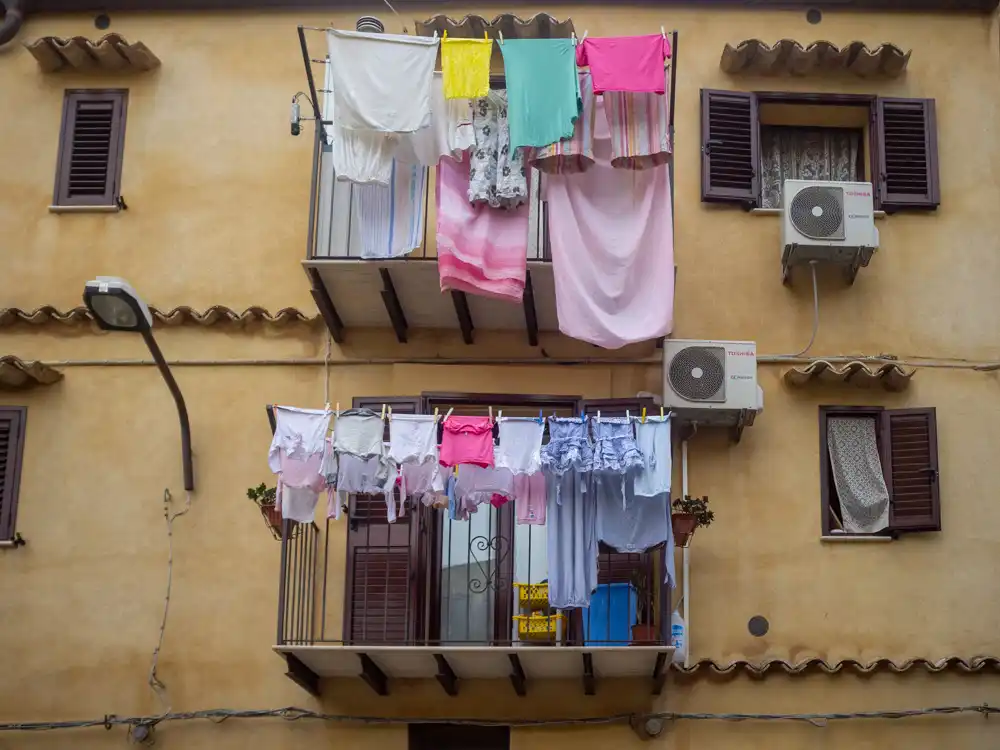
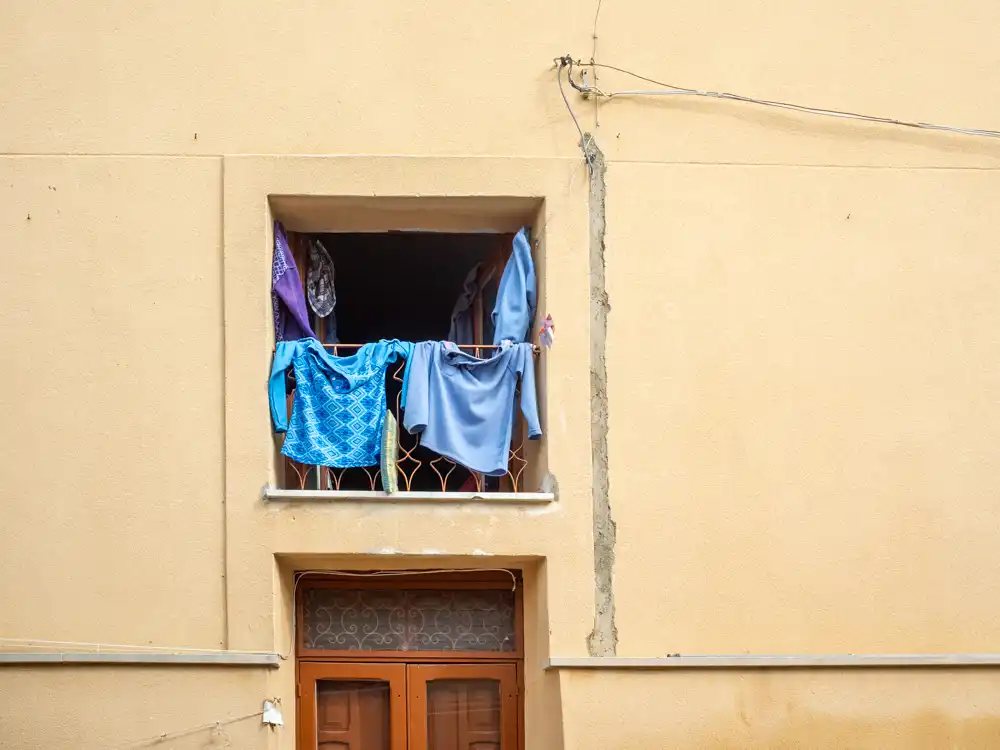
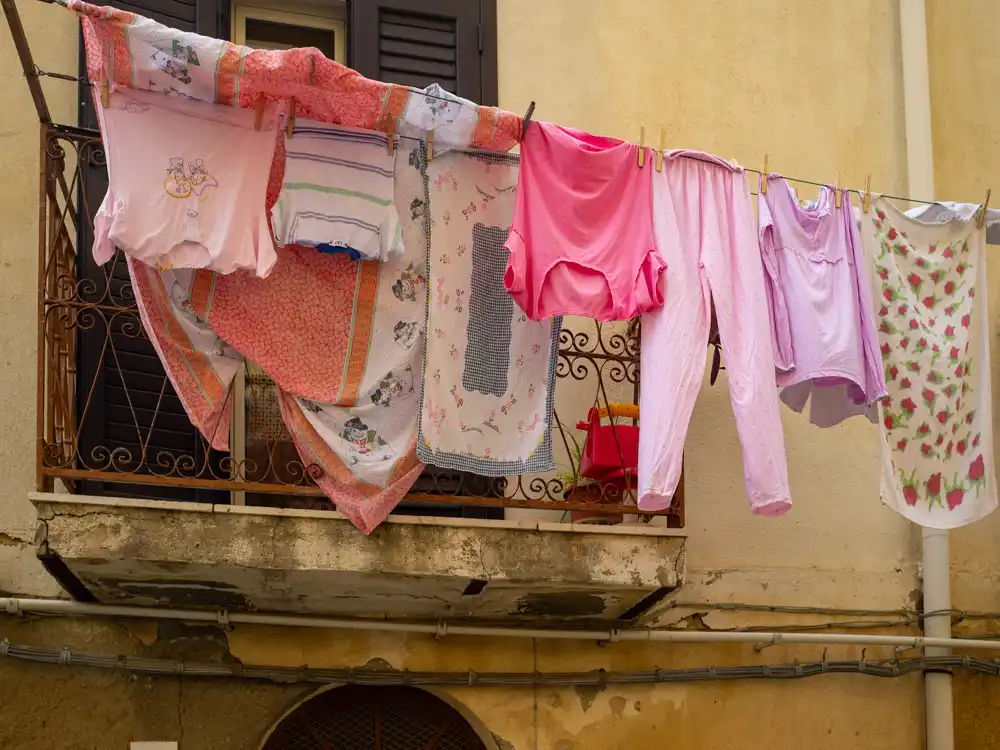
Most tourists in Agrigento make the exact same carbon-copy mistake. They roll off the motorway, drop into the car park below the hill, snap a Doric column in the Valley of the Temples, buy a tacky fridge magnet, and bolt. They know zero about the living city perched above on the hill. My guide to this Agrigento old town hidden alleys walking tour pulls you away from the tour-bus herd and takes you where coaches never dare to venture: straight up into the steep upper quarters where cars cannot fit, plaster drops in sheets, and laundry lines flap beside rusted Vendesi signs.
If you genuinely want to catch the genius loci of Sicily, turn off the manicured main promenade of Via Atenea and climb. The steeper the stone stairs, the fewer the tourists, and the closer you get to real life.
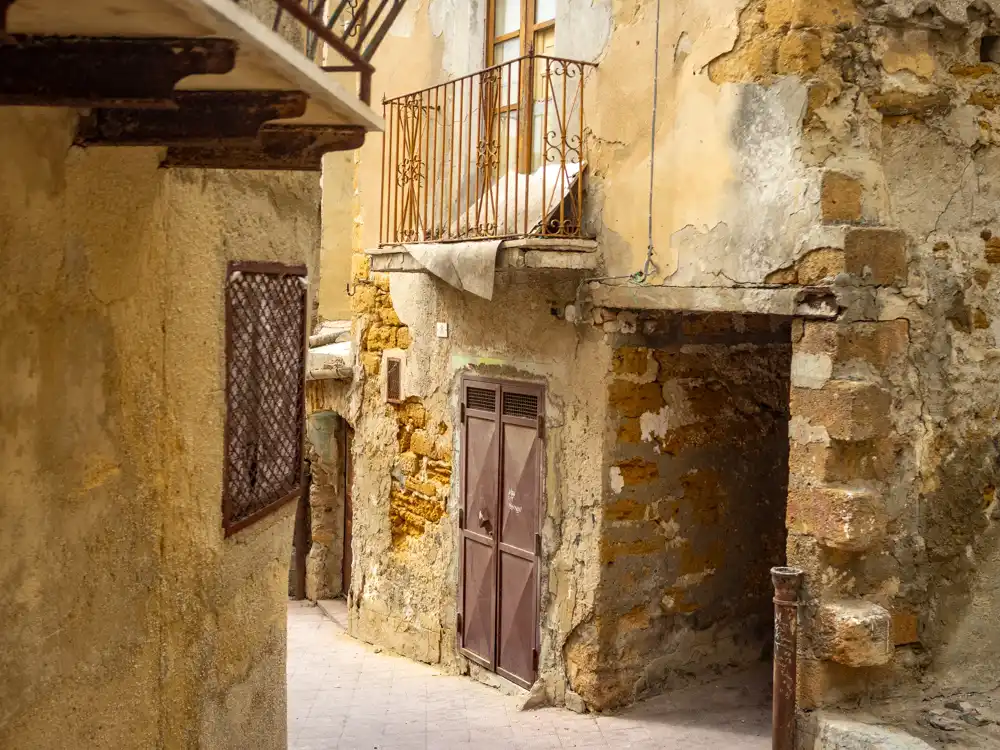
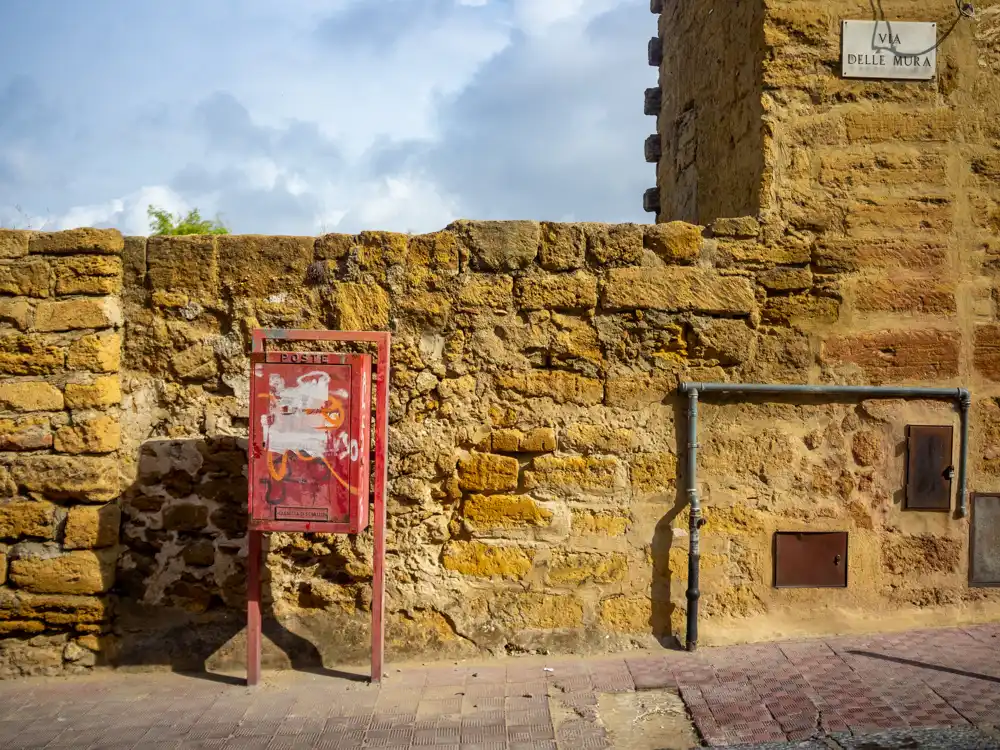
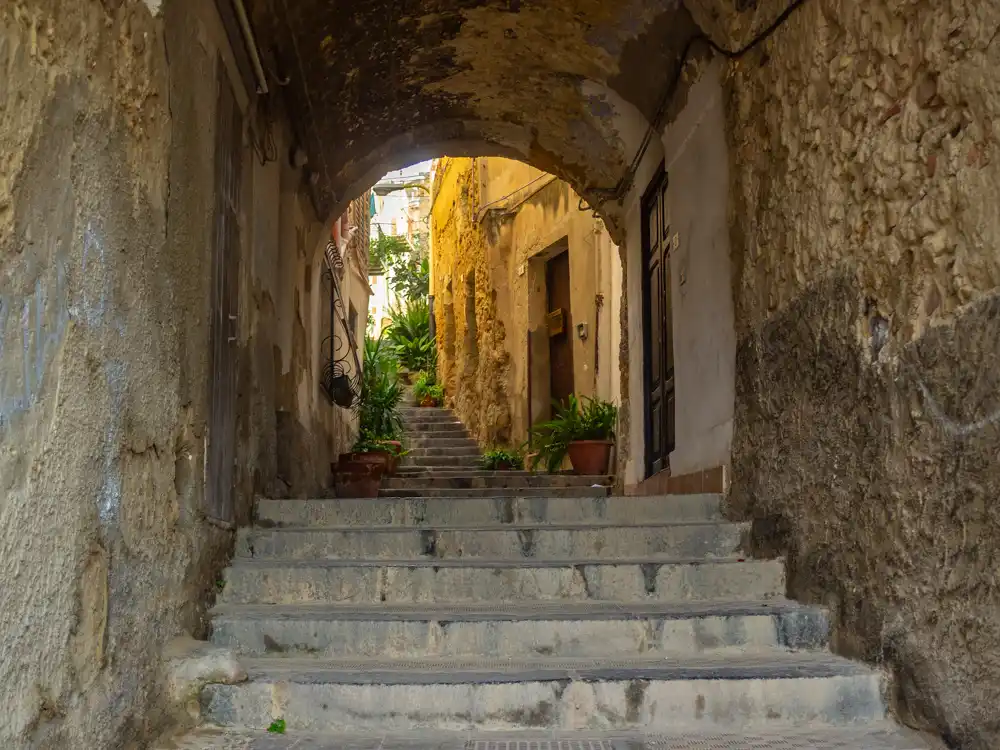
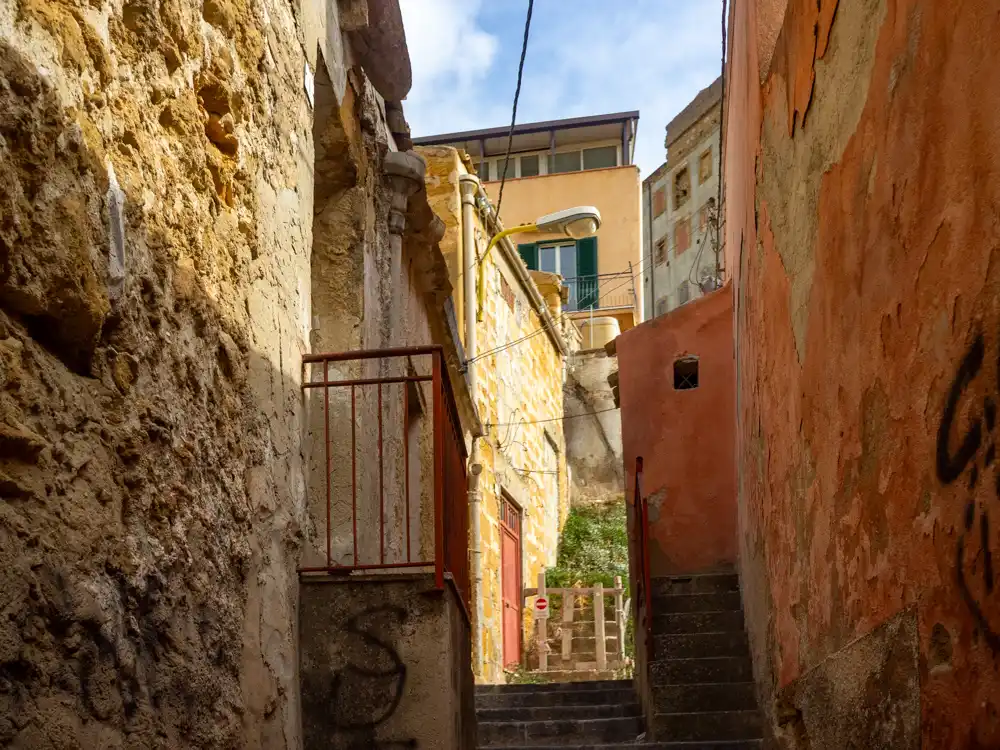
Urban Still Life: The Beauty of Things Slowly Giving Up the Ghost
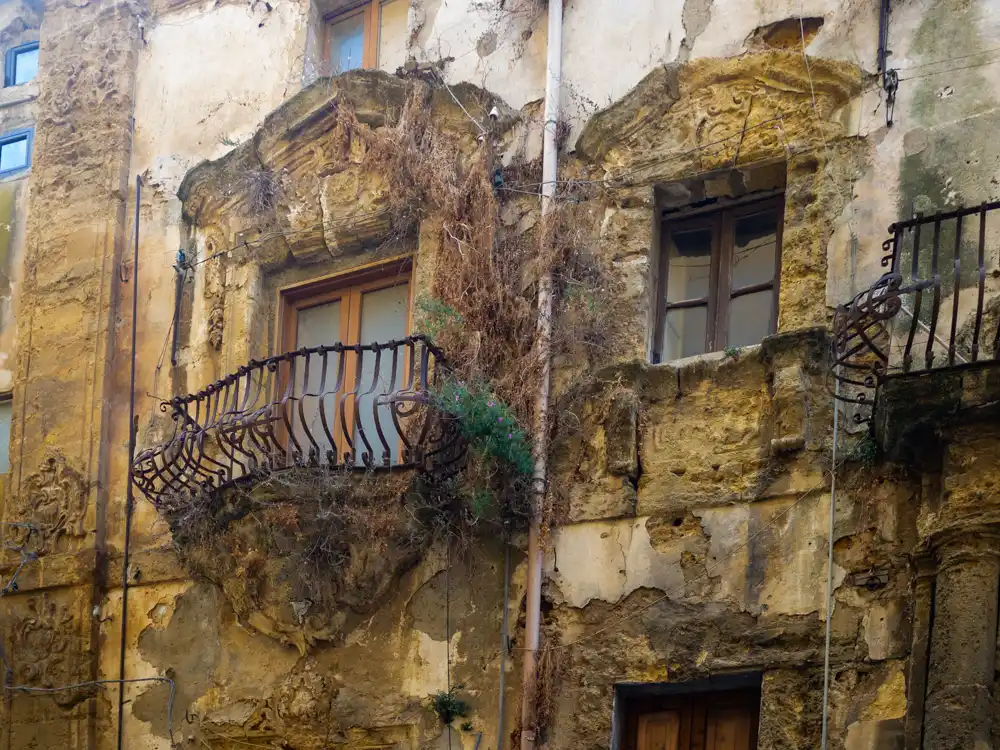
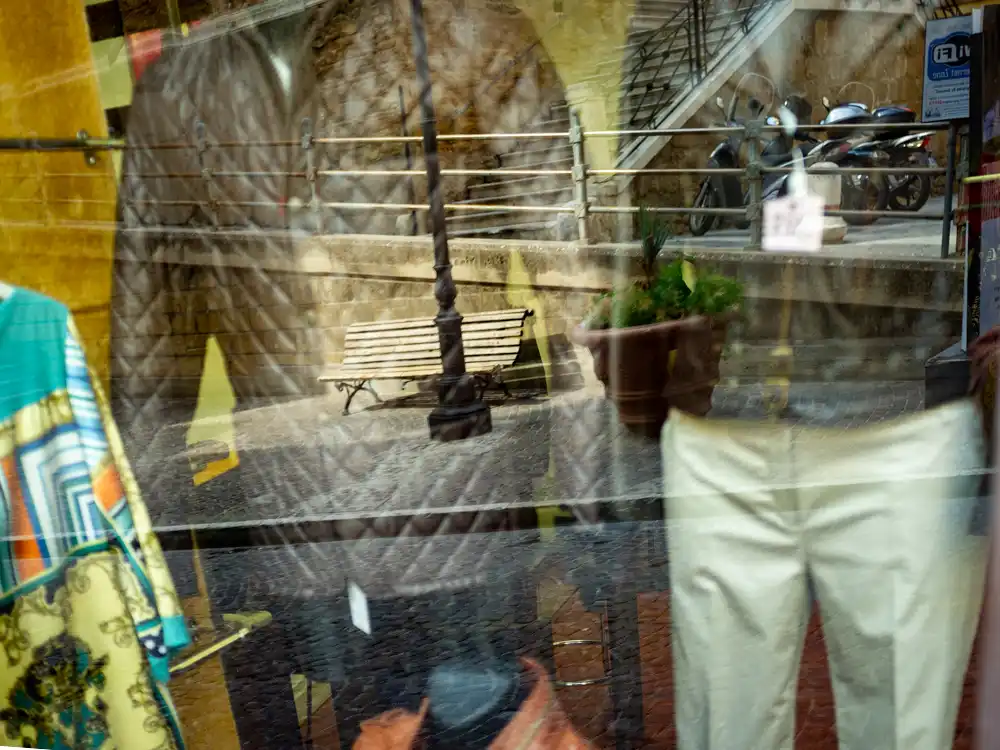
High above the high street, another world takes over. Colours and compositions no painter could fabricate in a studio.
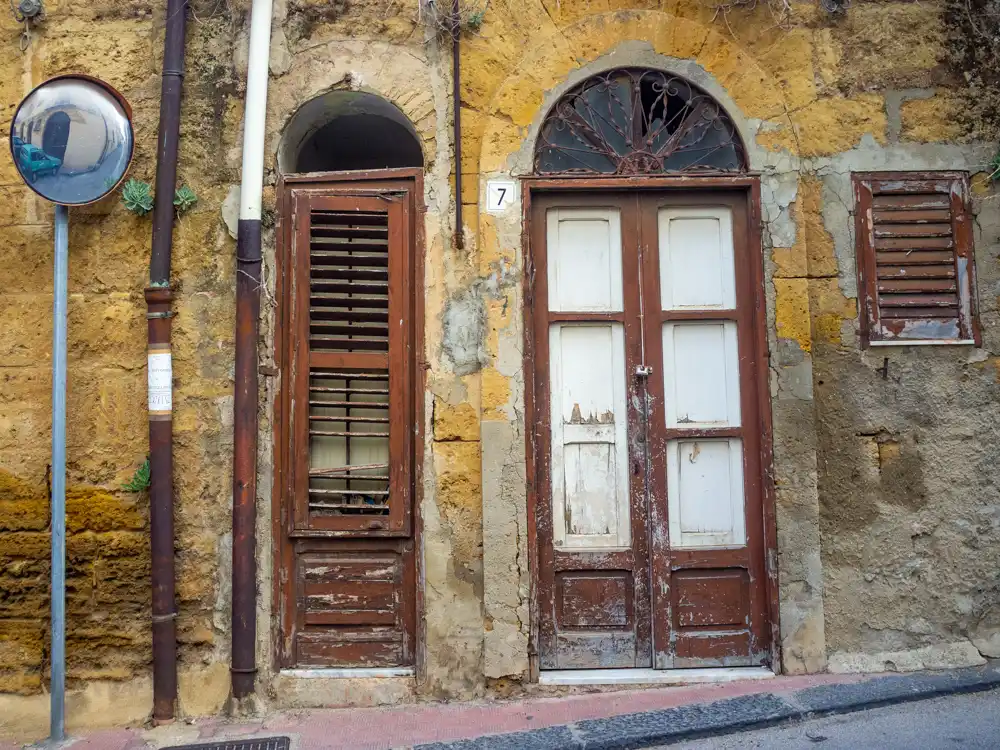
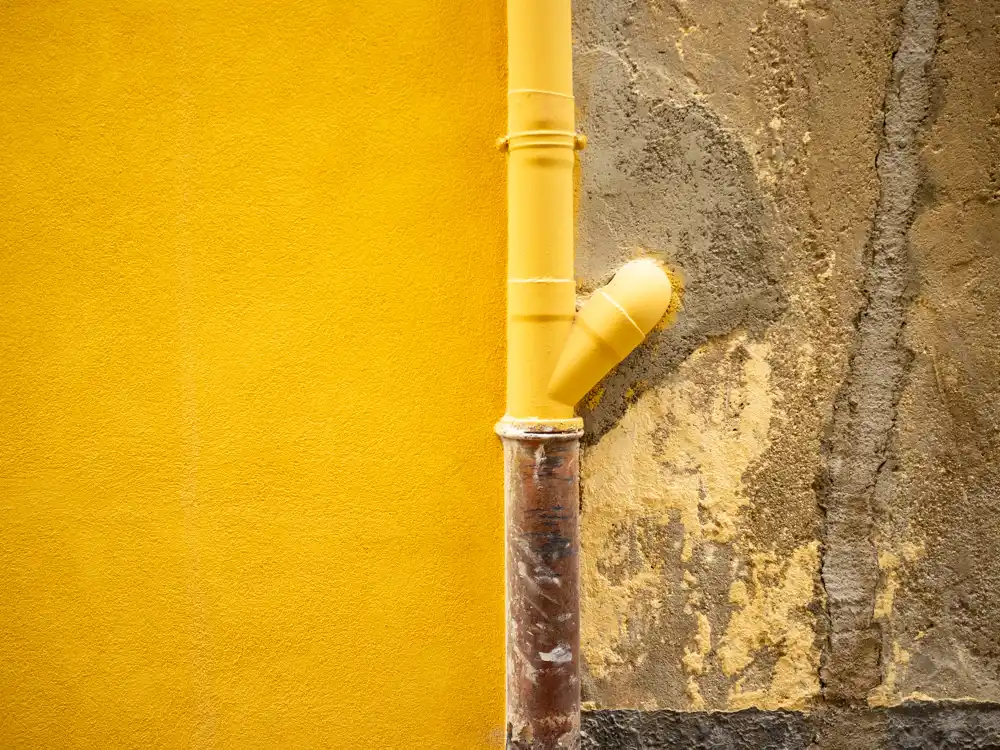
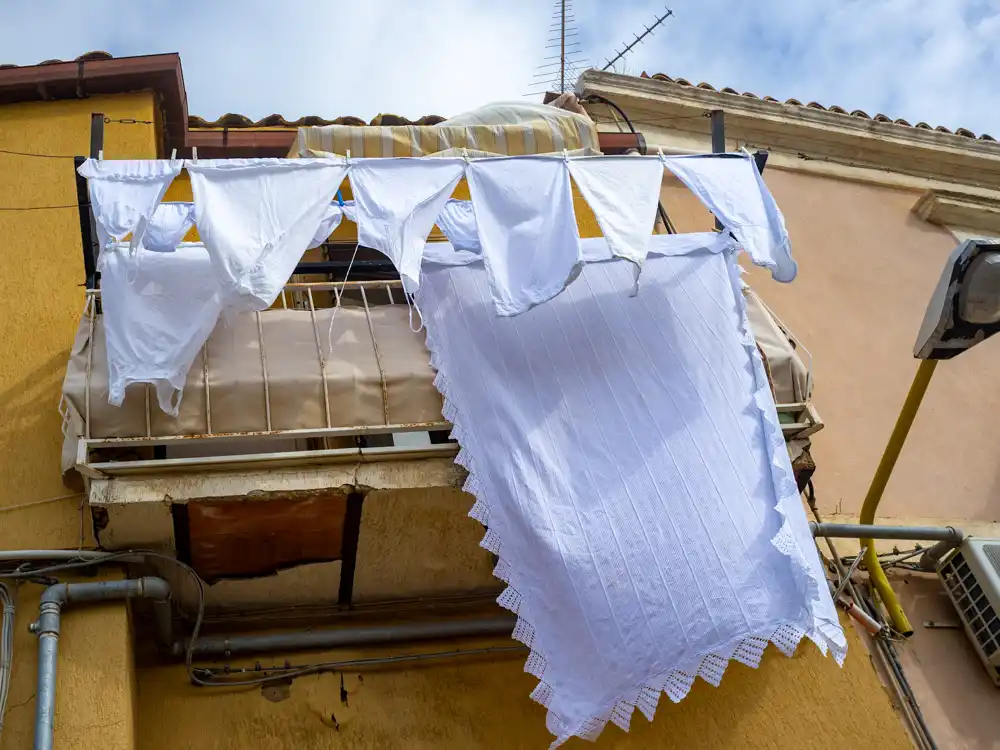
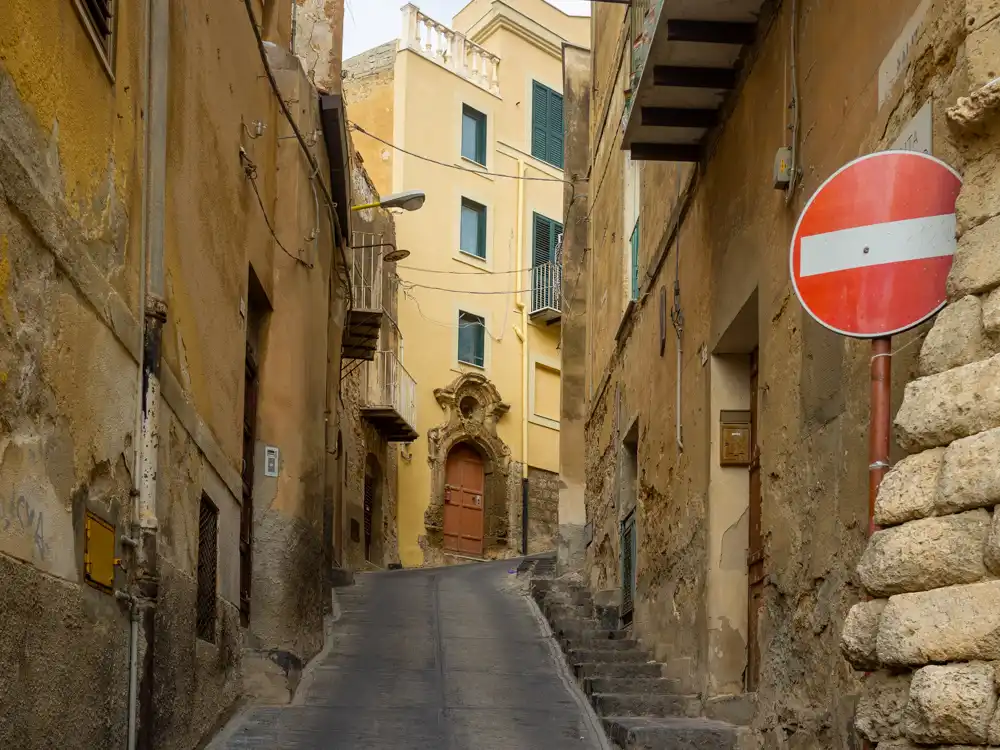
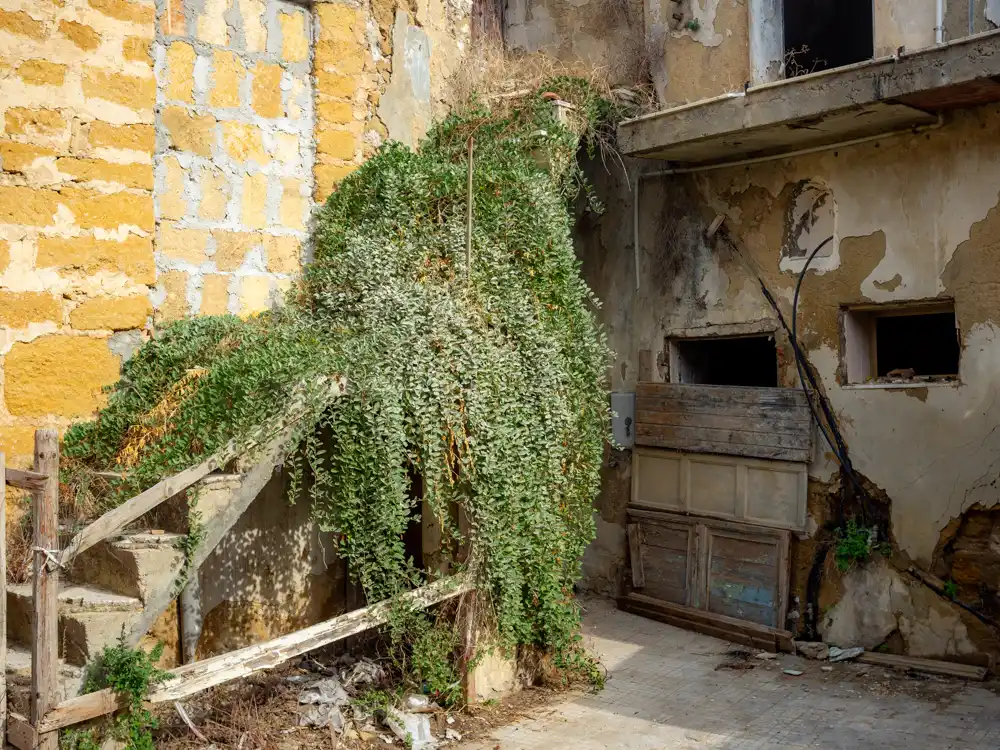
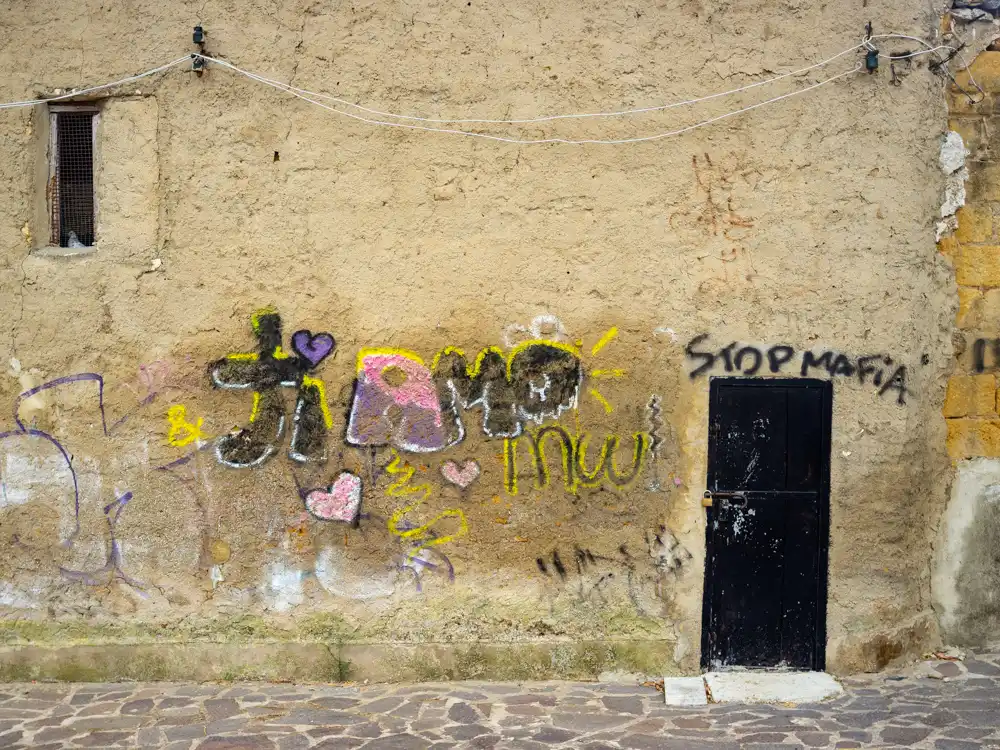
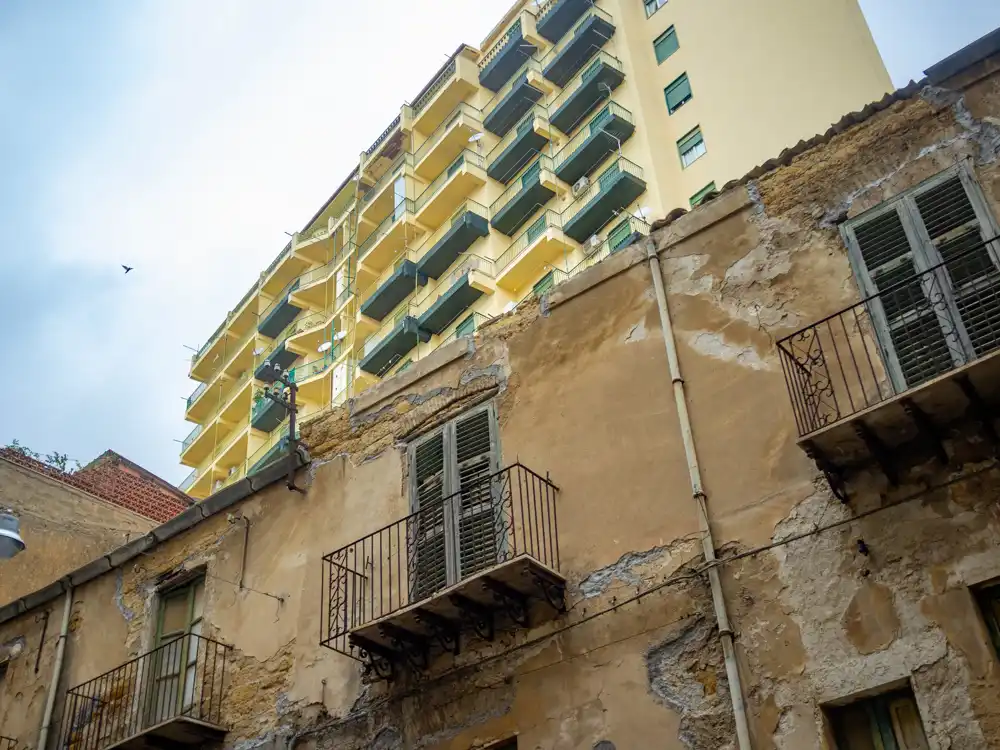
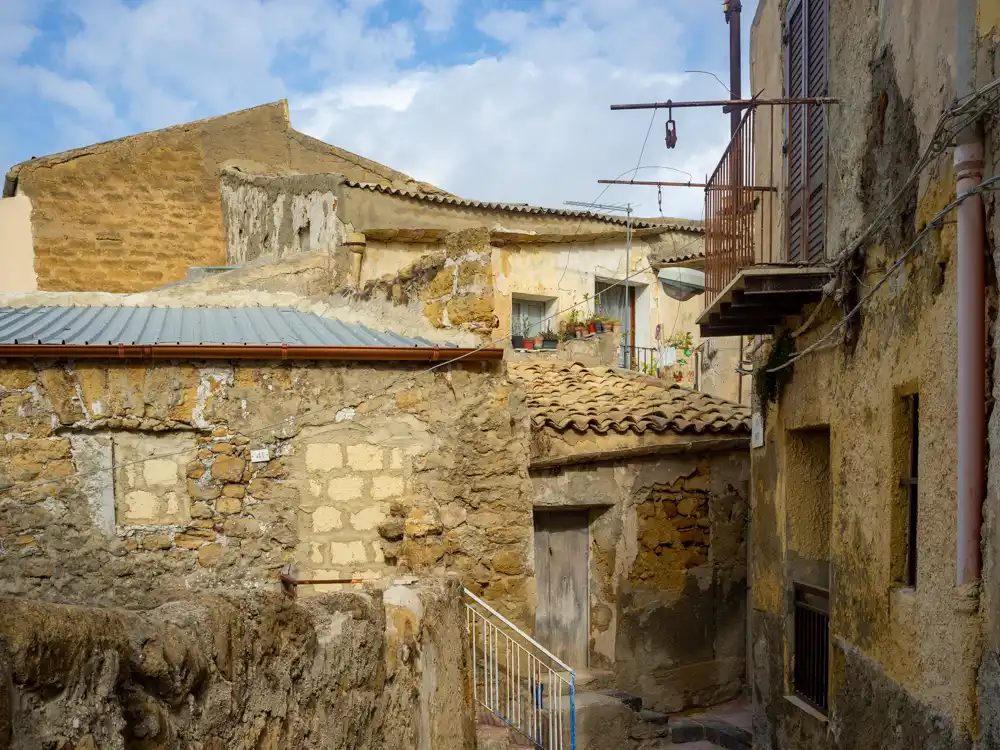
A weathered turquoise door holding an ancient rusted key. Cracked ochre facades, flower pots made from empty five-litre olive oil tins, and a beat-up Vespa propped against a wall, evidently parked there since 1984. Everything up here still functions, but with a distinct, undeniable momentum toward giving up entirely.
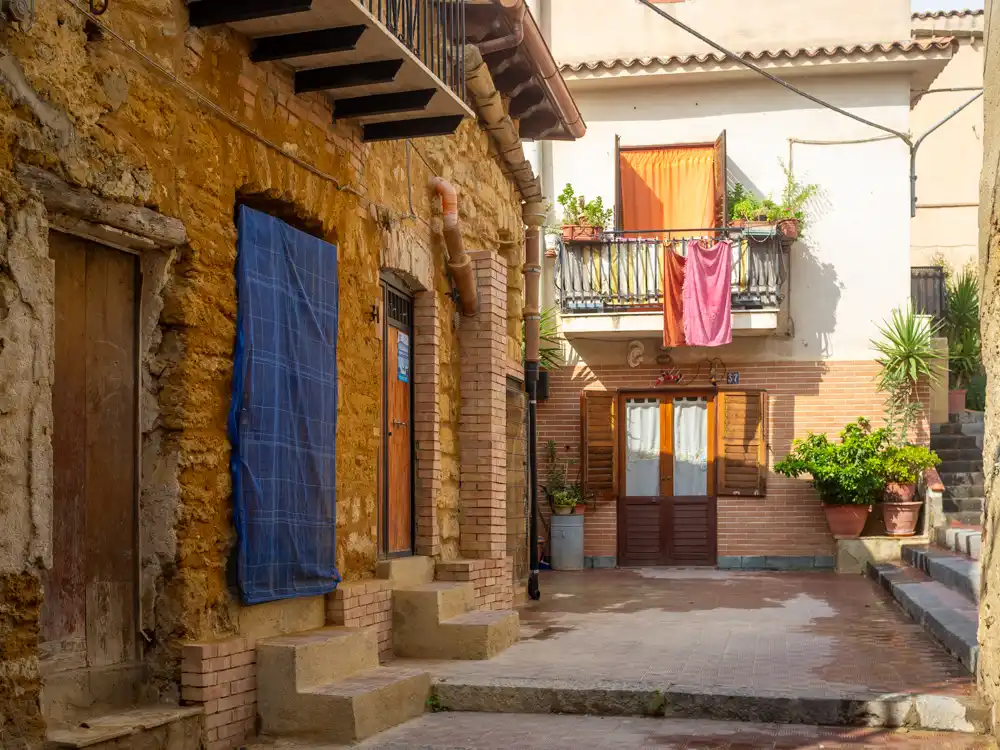
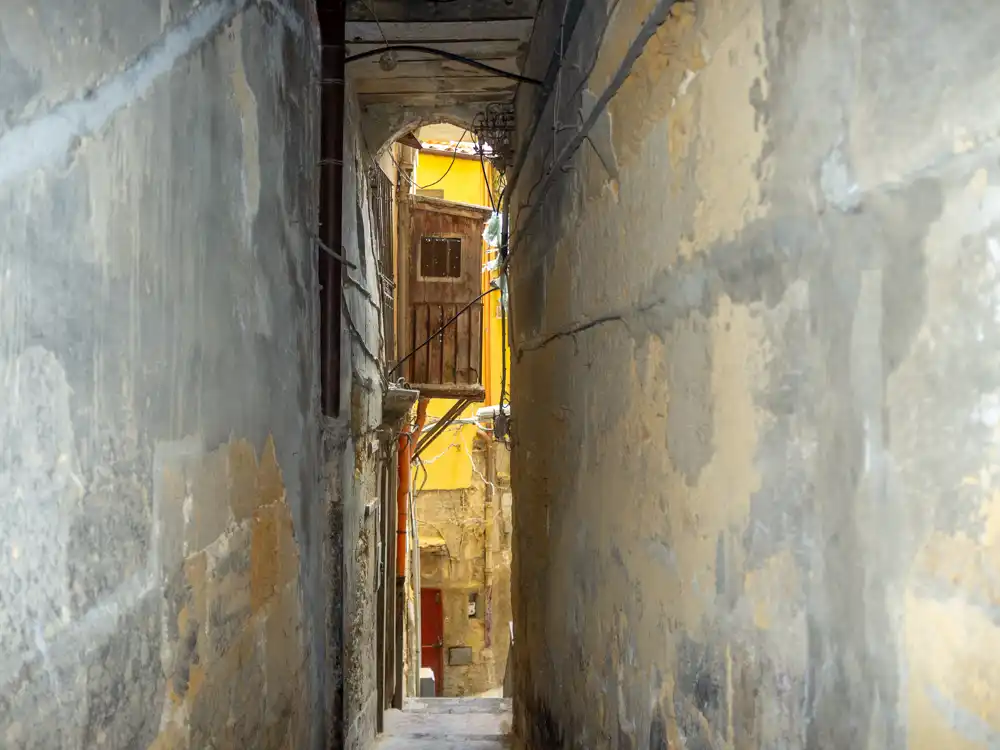
Modern cars physically cannot enter the upper web of old Agrigento. Many alleyways narrow down to barely a metre and a half, with cobblestone staircases replacing tarmac. Little wonder the youth abandon these quarters for the modern sprawl below. Life down there is convenient: you can park your groceries and you don’t haul crates of water up four flights of 12th-century stone steps. Up here, all that remains is wind, silence, and elderly grandmothers keeping vigil from behind lace window curtains.
The One-Euro Investment and the Ghost-Town Reality
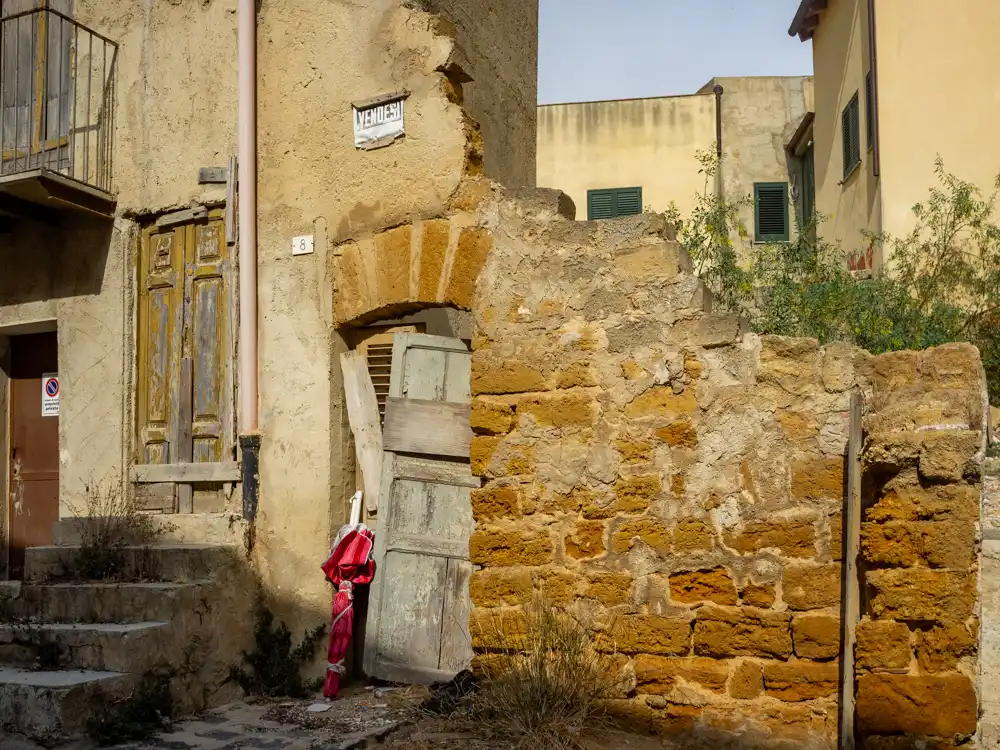
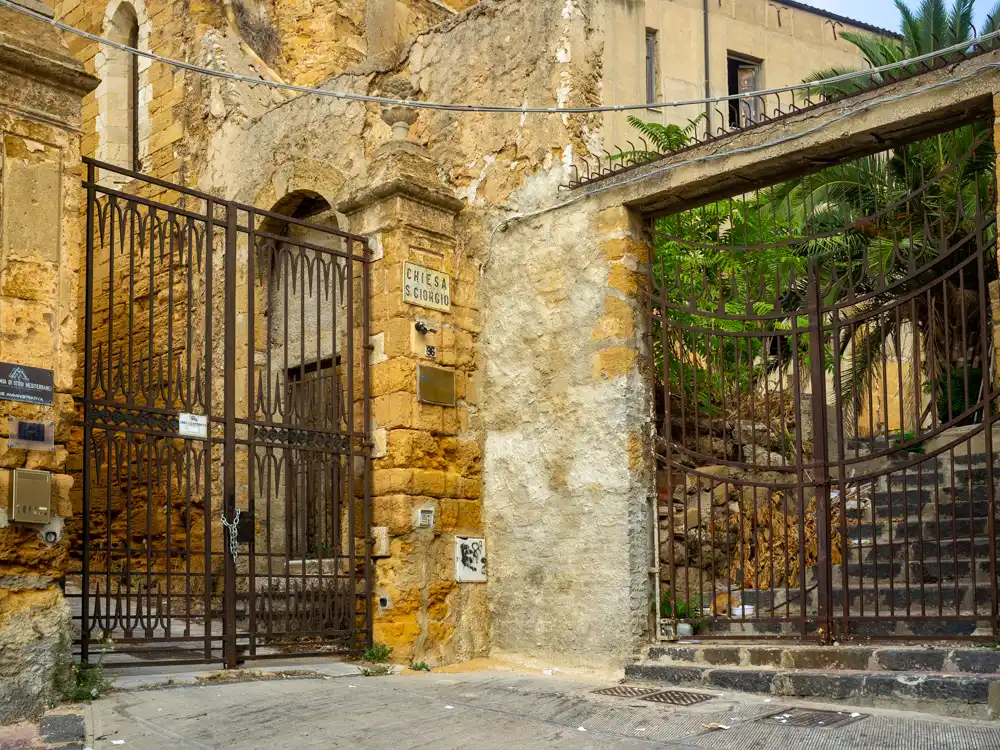
Every second doorway carries a weathered metal tin plate: Vendesi or Affittasi. For sale or for lease.
Right here, the mechanics behind Italy’s famous one-euro property scheme become brutally clear. Across inland Sicily, small towns are slowly bleeding out. The young generation packs its bags for Milan, London, or at least Palermo.
Agrigento has it slightly better. It is a regional hub with a university, sandy beaches on its doorstep, and world-class heritage. Yet through these steep alleys, the emptying-out stares right at you. Buying a Sicilian house for one euro sounds romantic over dinner. But when you inspect the rotten floor joists, the split structural stone walls, and realize every bag of cement must come up on a donkey’s back, the holiday romance evaporates fast.
From Ancient Greeks to Arab Medinas and the Pilgrim Trails
Agrigento carries almost 2,600 years of unbroken chaos. Greek colonists from Rhodes and Crete founded Akragas in 581 BC. At its imperial zenith, it rivalled Syracuse and classical Athens.
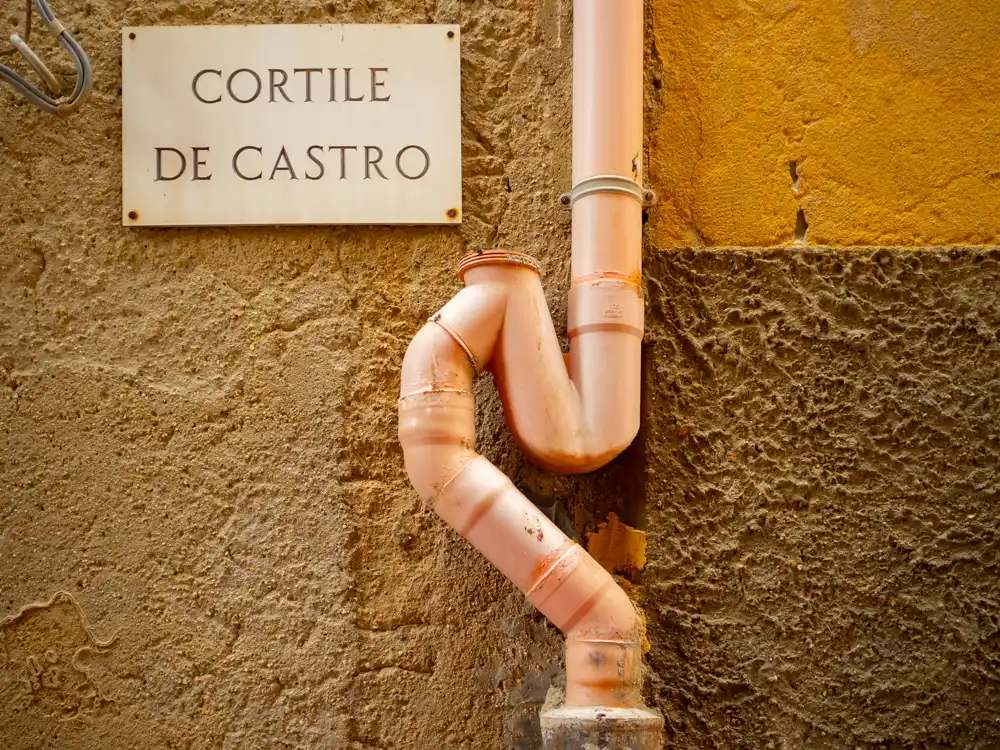
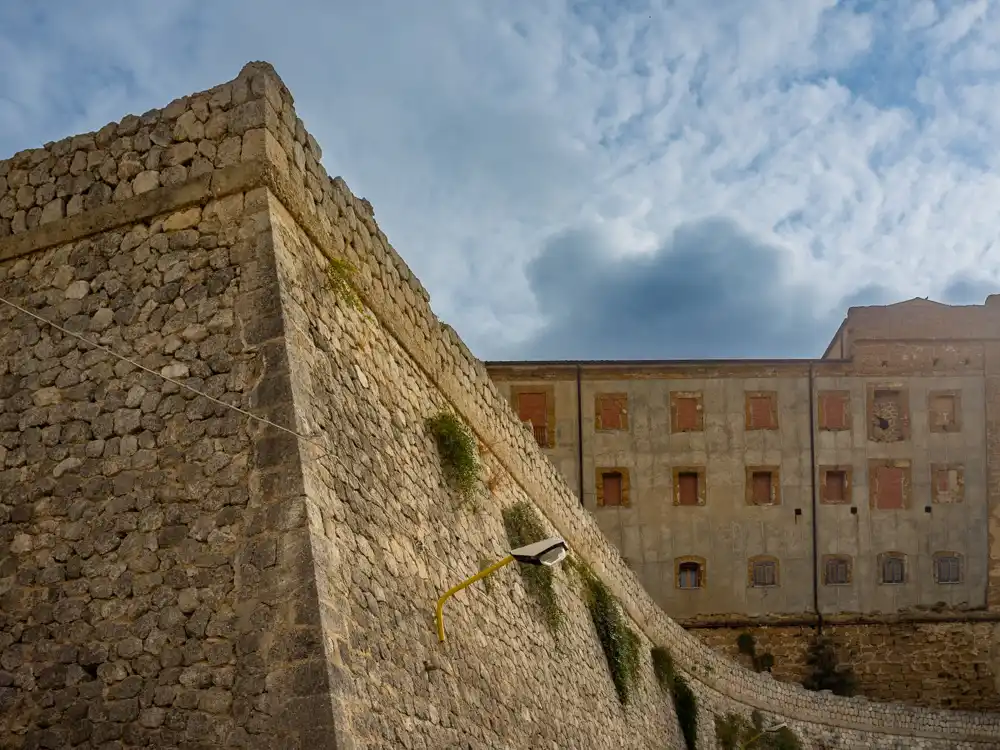
When Arab forces captured the city centuries later, they renamed it Kerkent, raising a powerful Islamic stronghold that competed directly with Arab Palermo. The Arabs carved the upper town’s modern urban footprint: a labyrinth of blind alleys, stone arches, and secluded internal courtyards. Looking at the structural decay of some upper houses, they look old enough to remember the Saracens in person.
Agrigento also serves as a crucial crossroads for long-distance trekkers. Right here begins the Magna Via Francigena and the Itinerarium Rosaliae (the Path of Saint Rosalia). This ancient trail spans nearly two hundred kilometres, crossing the raw mountain interior through Corleone and Ficuzza all the way to Saint Rosalia’s sanctuary on Monte Pellegrino above Palermo. Standing on the upper terraces gazing out at the undulating inland hills, your legs can already feel that distance just from the view.
View from the High Terraces: A Clash of Two Worlds
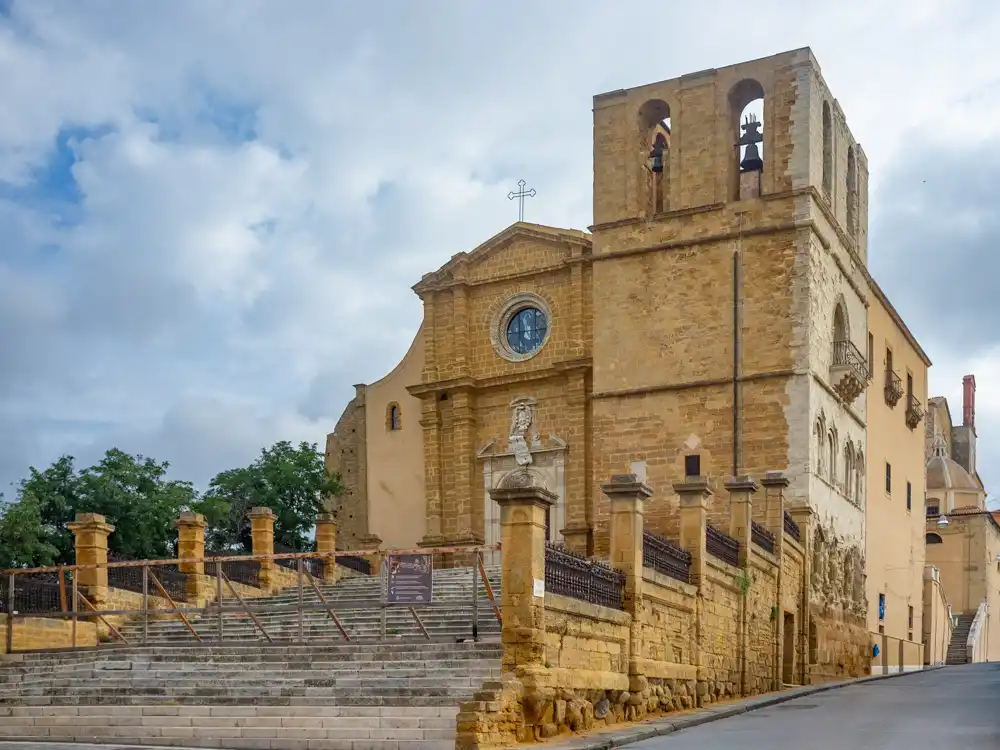
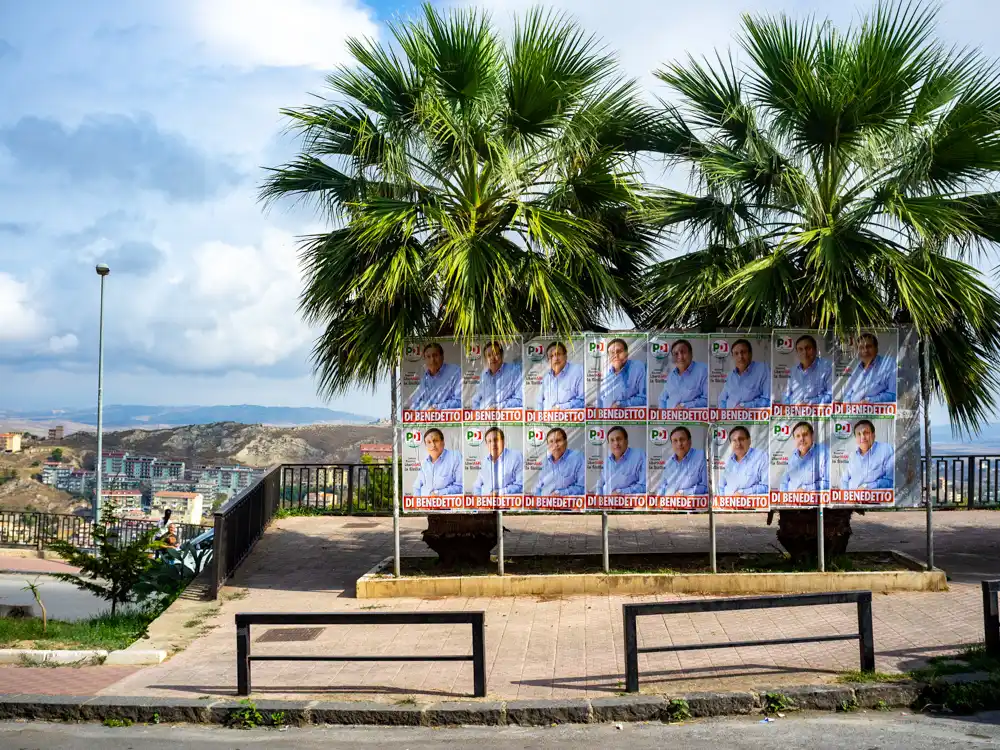
From the highest perches of the old town, beside the church of Santa Maria dei Greci or near the Cathedral of San Gerlando, a stark contrast unfolds.
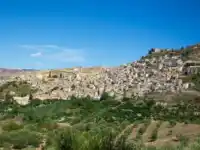
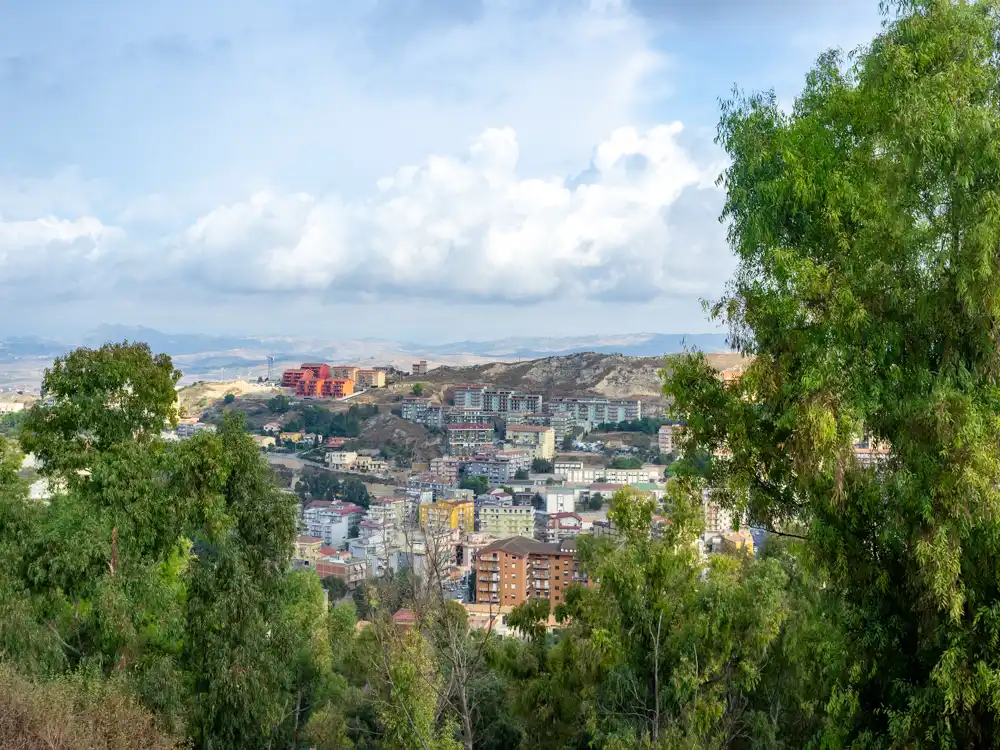
On one side, a sea of weathered terracotta roof tiles, stone campaniles, and empty courtyards. Directly below, modern Agrigento spills into the basin—grey apartment blocks, roaring four-lane roads, and poured concrete. Further out, the golden sandstone columns of the Greek temples shimmer under the Mediterranean sun, backed by the deep blue sea.
Down in the valley, buses idle while tourists jostle under sun hats. Up here, you can wander for two hours without passing a single outsider. The town does not stage a performance for you; it breathes at its own slow, tired pace. It is precisely in these neglected alleys that you realize the real Sicily never hides inside a glossy guidebook, but in the dust and deep silence just around the next corner.
Practical Tips: Agrigento Old Town
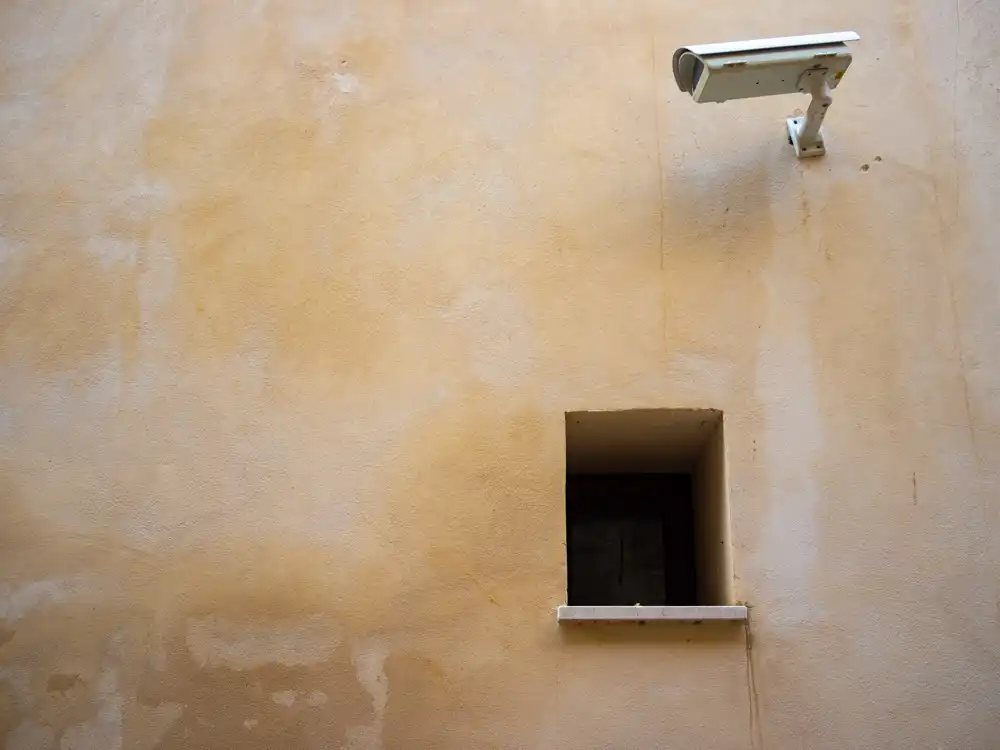
- Access and parking: Do not attempt to drive into the historic upper quarter. The alleys are tight and covered by strict, camera-monitored ZTL rules. Leave your rental car at the paid surface lots near the station (Piazza Marconi) or in free roadside spaces beneath the walls along Via Empedocle.
- Footwear: The old town consists entirely of steep stone staircases and polished cobblestones that turn slick under dry limestone dust. Leave the flip-flops and dress shoes in the hotel; pull on trainers with decent tread.
- Best timing: Late afternoon, once the midday furnace cools down and low golden-hour light fires up the yellow calcarenite stone of the old buildings into warm amber.
- Key sights to seek out: Santa Maria dei Greci (a church constructed straight over a 5th-century BC Greek temple of Athena—the original Doric foundations and column bases are visible beneath glass floor panels) and the fortified Cathedral of San Gerlando sitting right at the highest point of the hill.
Frequently Asked Questions (FAQ)
Absolutely. The Valley of the Temples takes two to three hours, but the hilltop town offers an entirely different, authentic slice of unvarnished Sicilian daily life without the coach crowds. Dedicate at least two hours in the late afternoon for a walk through the upper alleys followed by dinner.
The one-euro housing schemes are managed by municipal councils in specific depopulated Sicilian districts. However, the purchase requires a legally binding commitment to invest tens of thousands of euros into a complete historic-conservation rebuild within a fixed timeframe.
Yes. The upper quarters may appear ragged and impoverished, but they are quiet, tight-knit residential zones inhabited mostly by elderly locals. Standard travel common sense regarding your valuables applies, exactly as it does across the rest of Italy.