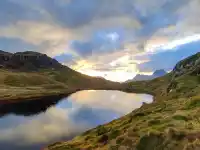
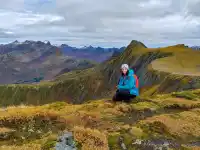
If you’re hunting for the wildest and most spectacular hiking on Lanzarote, the Risco de Famara ridge is your trail. Our personal crossing of the GR 131 cliff-top route from the village of Haría to historic Teguise delivered wind, adrenaline, and views that quite literally blow your hat off. Here’s how to handle the ascent from Haría, where to find the best viewpoint over Famara Beach, and why these cliffs are perfect for your minimalist trekking soul. Welcome to the edge of the abyss.
Lanzarote: hiking Risco de Famara
If there’s one trail on Lanzarote worthy of fanfares, it’s Risco de Famara. Stage two of the GR 131, stretching from Haría to Teguise, delivers everything at once: climbs, wind, cliffs, ocean, history, and that feeling you’ve stepped straight into your own survival mini-documentary.
Start: Haría – the green heart of the island (and under siege)
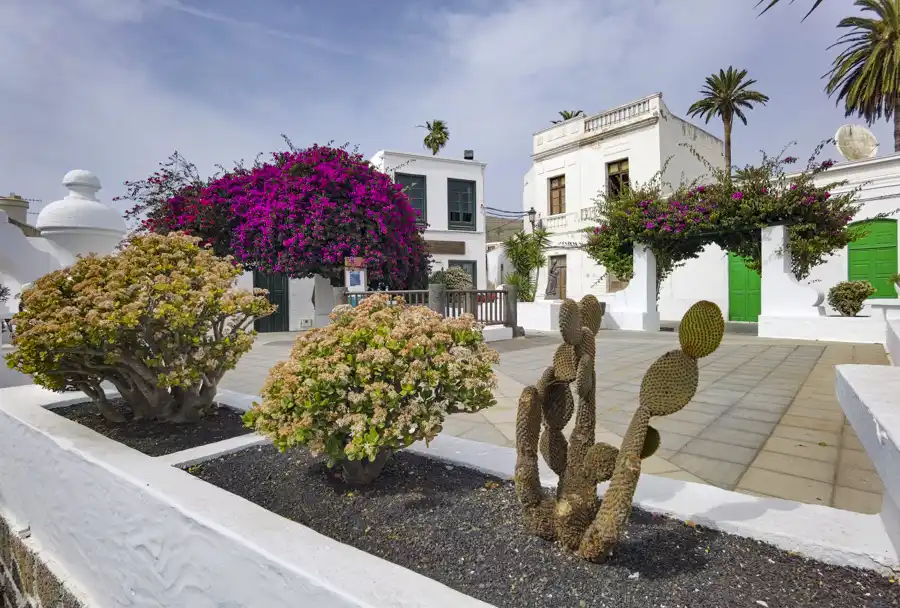
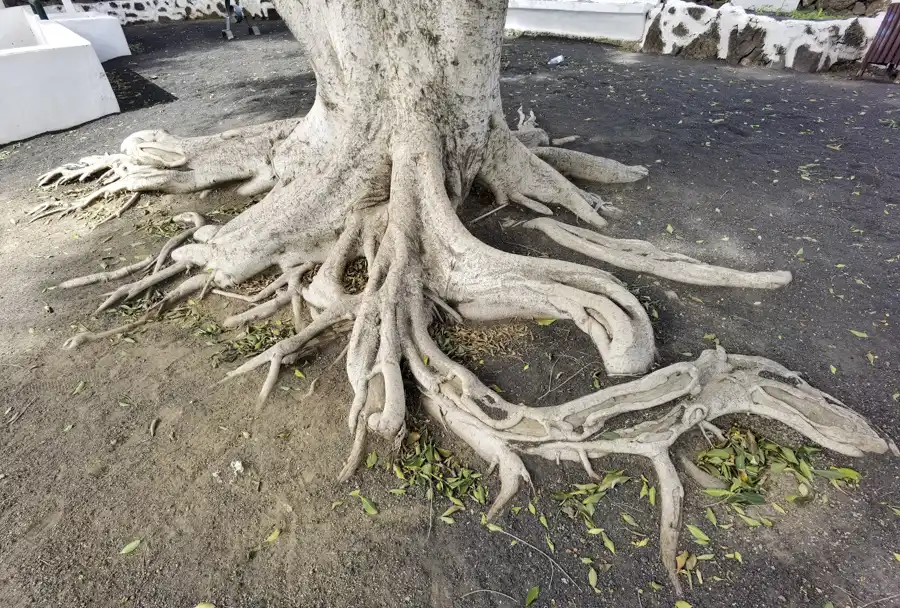
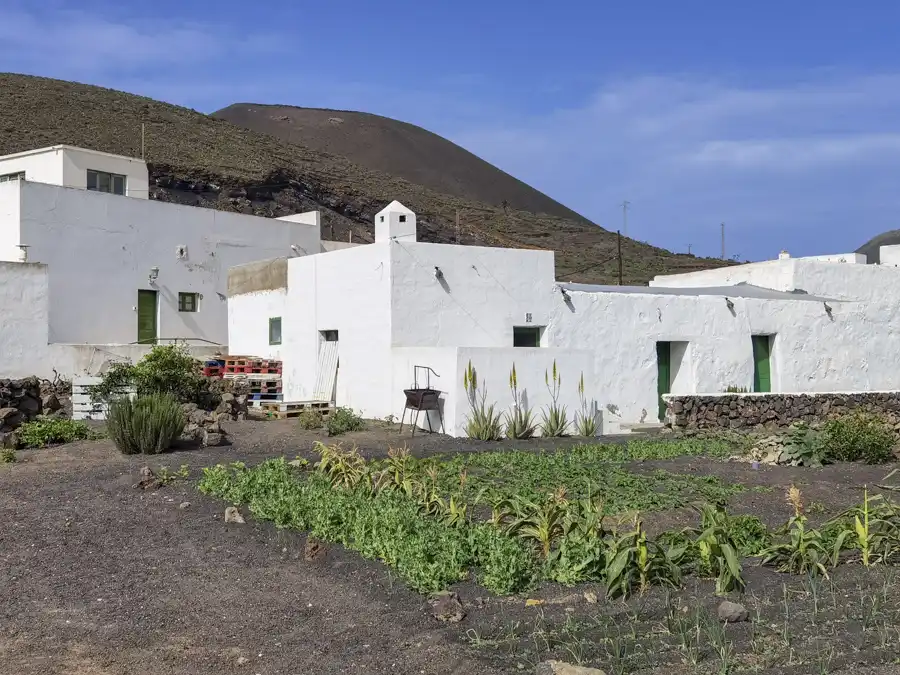
We start in Haría, the “green heart” of Lanzarote, famous for its palm-filled valleys and for César Manrique, who used this place to hide from the world.
Reality check?
A pretty square, pretty shade, pretty trees… and an even prettier reason to leave as soon as possible. Tourists attack this place relentlessly and the village can barely breathe.
In 10 minutes we covered everything:
- checked out the square,
- admired a few living trees (the second-largest endemic species after tourists),
- restocked supplies.
And supplies mean:
36-month jamón, 36-month cheese, baguettes, tomatoes, and four very cold San Miguel thirds.
The ascent from Haría: Serpentines to the “roof of the island”
Leaving Haría uphill has two options. Both are as nourishing as an Ineos cyclist’s spring training.
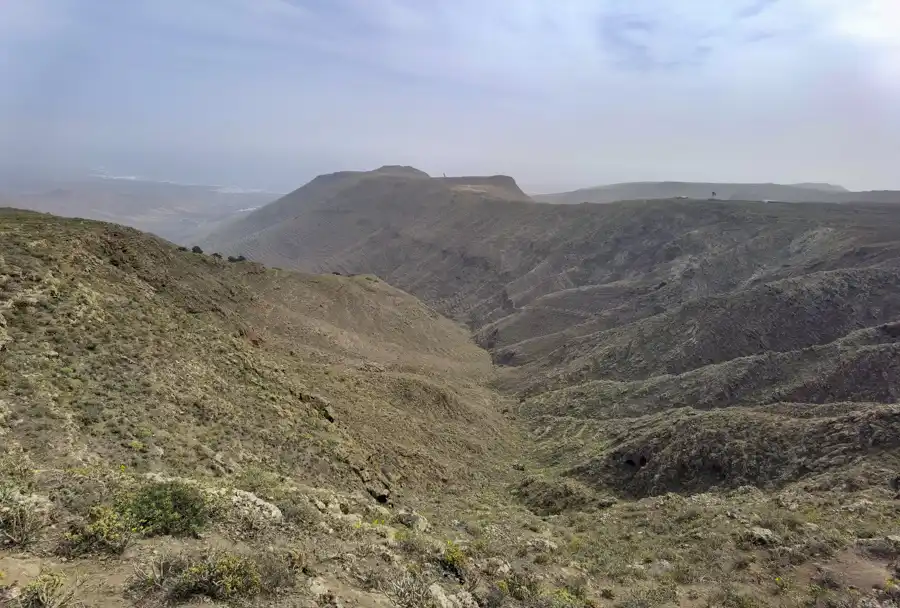
The serpentines pull you up to the “roof of the island.” You gain 250 metres of elevation without even noticing — plus the kind of views people normally pay drone pilots to capture.
Running parallel is the ridge route of GR 131, connecting Haría with the former capital Teguise. That’s the path we take.
The Tribes of Lanzarote: Who belongs on Risco de Famara?


1. The All-Inclusive Species
Their natural habitat is a pool. If you say “Haría,” they say:
“Nice square… Manrique’s museum was beautiful. Cheap magnets too.”
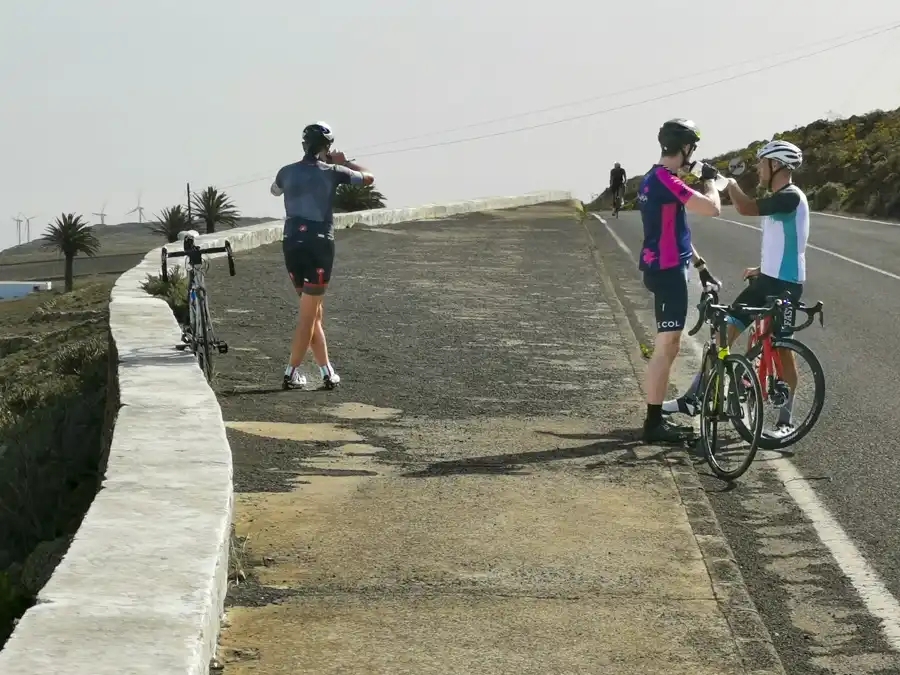
2. The Stravoholic
Cyclists, runners, triathletes. They won’t notice Haría at all:
“That climb was epic, bro. We crushed it.”
3. The Johny Walkers (our tribe)
Backpack minimalists with the slogan: “I’m not squeezing myself anywhere.”
They love quiet villages, Máguez, and cliff views.
We proudly belong to tribe number three.


Pilgrimage stop: Ermita de las Nieves – where the clouds meet the island
First major stop: Ermita de las Nieves, a hermitage dedicated to the island’s patron saint. According to legend, the Virgin Mary appeared to a local shepherd here in 1427. Miracles don’t belong only to the slovak Tatras. 🙂
The original chapel was destroyed by pirates (because 17th-century pirates had no chill at all), and the current one is about 50 years old.
Every last Saturday of July, islanders walk a pilgrimage here, hoping for good harvest and rainfall. Romantic, isn’t it?
We’ve been here twice.
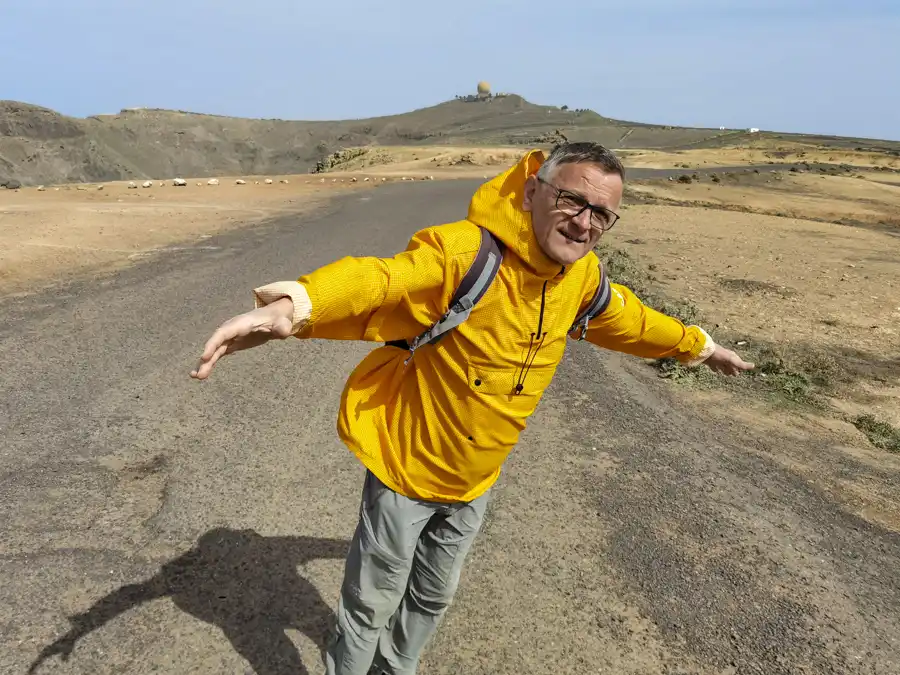
Once the wind sent us back — it almost swept Milan off the ridge and the guy has thighs like tree trunks.
Second time? Divine.
El Castillejo: 600 m above the sea and the best view of Famara Beach


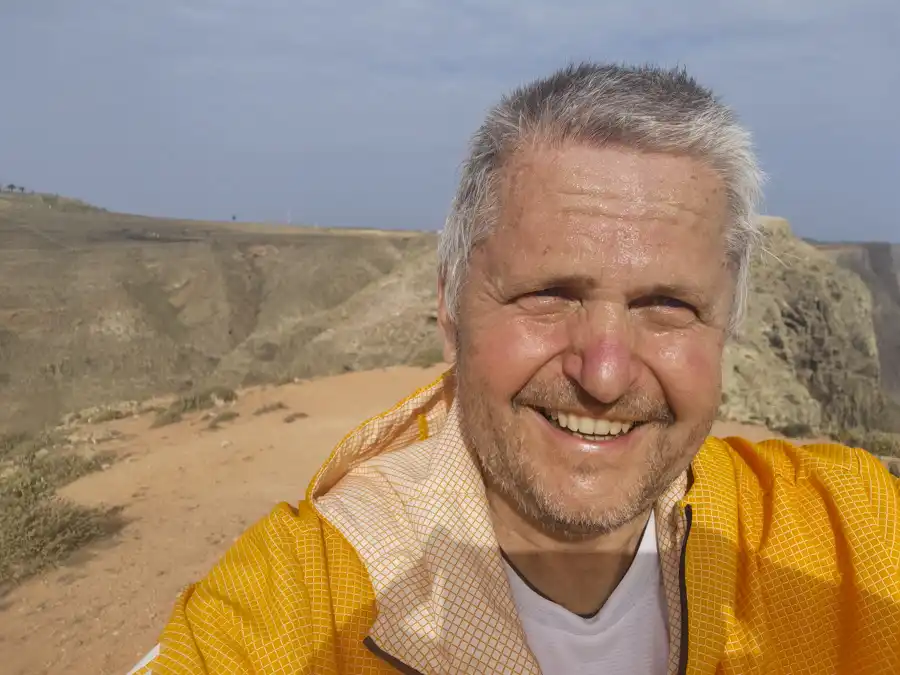
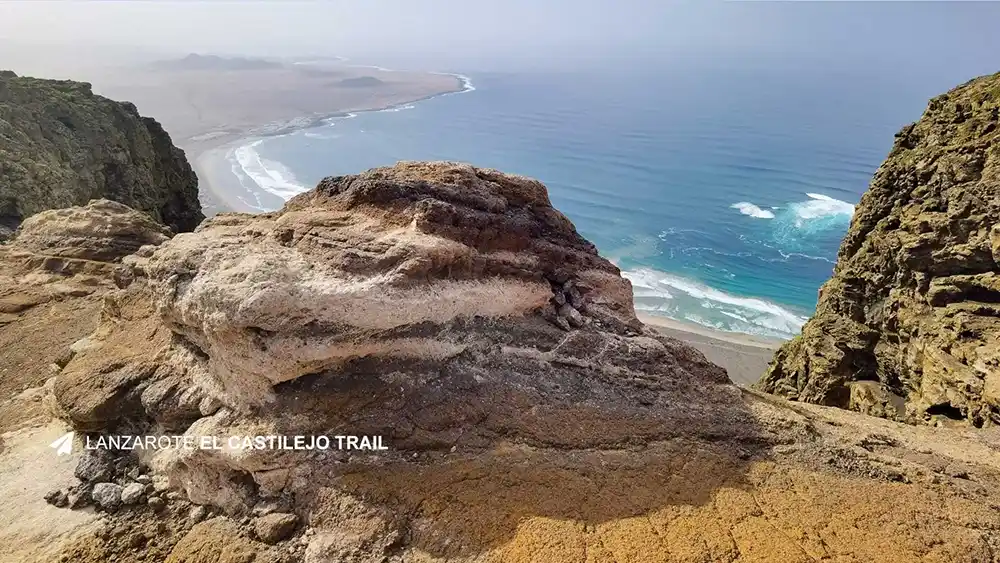
The Famara cliffs are pure postcard material. Standing 600–608 metres above the Atlantic, you overlook Famara Beach, Europe’s kitesurfing mecca. The western coastline unfolds in a panorama that makes you think:
“So this is why Lanzarote has its own rhythm.”
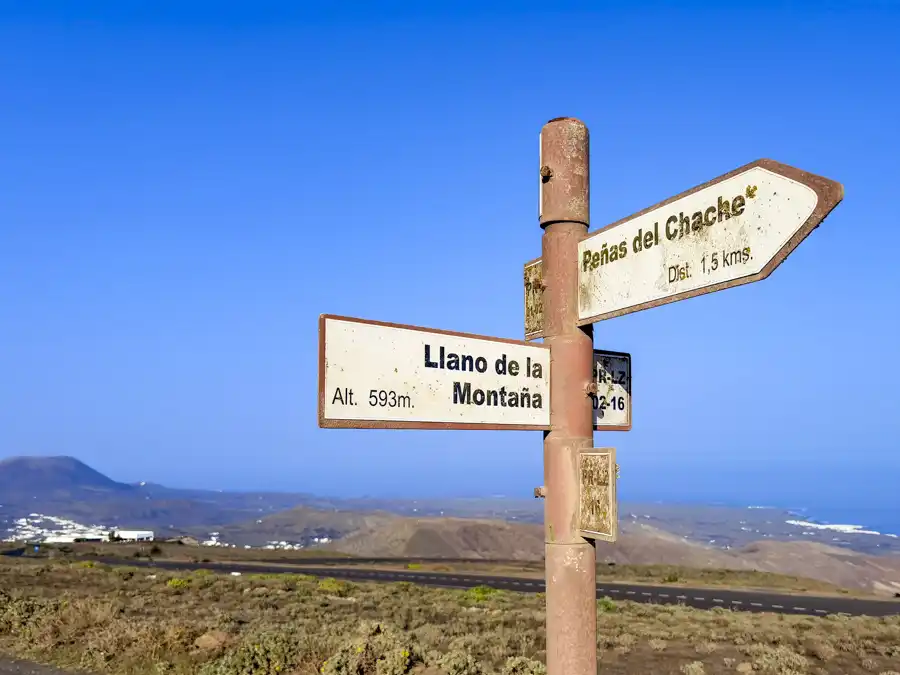
Endorphins? Adrenaline? Hard to say. If you continue past the Peñas del Chache observatory (Lanzarote’s highest point at 671 m), the main show begins: clouds brushing the cliffs, wind testing your fitness, and that delicious combo of fear and freedom.
Last time I sat 600 metres above the sea was on Preikestolen in Norway. This feels the same — just warmer and much drier.
Along the ridge: Soft gravel and sandals (our secret tip)


The cliff tops hide several caves. We found one — stairs leading straight to it.
And no, we didn’t go down. The very thought squeezed our glutes.
The GR 131 ridge is a luxury trail: soft gravel, no lava razors, no ankle traps. I even walked parts of it barefoot in sandals — more pleasant than most trails on the island.
The unmarked but well-trodden path follows the cliff edge, past the meteorological station, then disappears into the horizon. The whole ridge deserves a full-day traverse — from Mirador del Río to Papagayo. Next time, that’s the plan.


Investment opportunity: Ruins with a killer view (literally)
Occasionally, 200 metres below the road, you’ll spot… let’s call them poorly parked cars. Is it the wind? The owners? No one knows.
But here’s what we do know:
Owning property on the Canary Islands = residency rights.
The condition of said property is not specified.
So if you want an investment ruin with a 671-metre drop-view, act quickly.

A note on persistence
Most sports studies agree: elite runners need around 10 years of training.
I’ve been training for 30… still waiting for the exceptional results.
But experiences? They show up every single day.
Why do we keep doing it? Because you only really get to know a country when you travel through it on foot.
A bus will show you the “best of,” but it won’t give you the space to feel the wind, the smells, the silence, or what’s going on around the corners of houses and paths.
I prefer to extend my journey. When I like it, I don’t want it to end.
Yes. Endorphins. Addiction. I admit it.
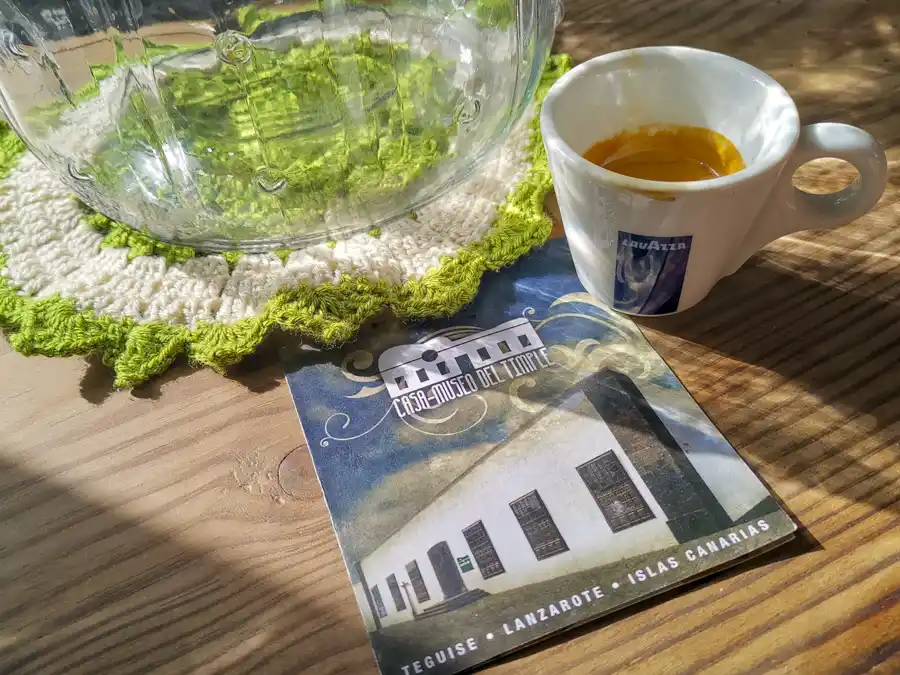
Teguise – historic heart of the island with better coffee
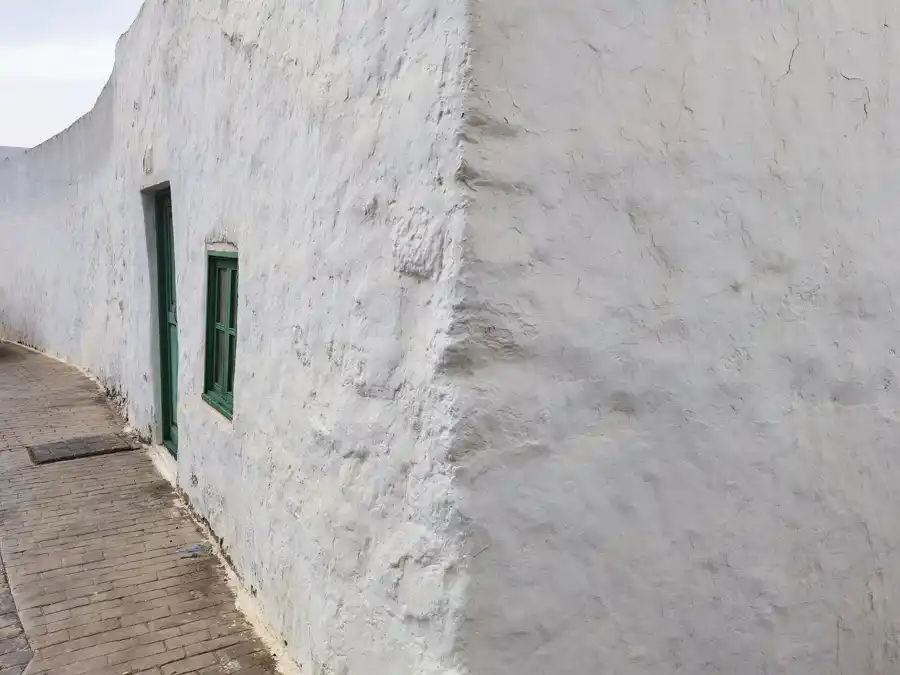
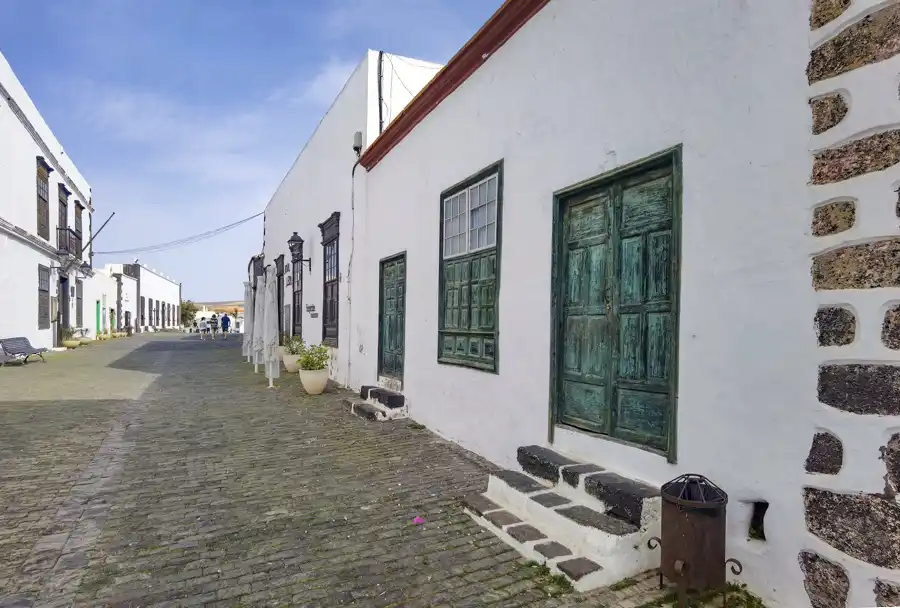
We enter Villa de Teguise. Like stepping into an old film: white houses, stone streets, echoes of past glory.
Teguise was the island’s capital from the 15th century until 1852, when Arrecife took over. It’s the oldest civilian settlement in the entire Canary archipelago.
And by the way — the coffee here is better than in Arrecife.
(Yes, I wrote it. As promised.)

Practical tips for hiking Risco de Famara (GR 131)
💨 Wind & Adrenaline
- Prepare for extreme wind, especially near Peñas del Chache and El Castillejo.
- A wind-resistant jacket is non-negotiable.
☀️ Timing & Water
- Start early from Haría (8–9 AM).
- Bring at least 2 litres of water — there are zero refill points on the ridge.
- The hike takes 4–5 hours (12–15 km).
🚌 Transport & Logistics
- Best strategy: leave your car in Teguise, take a morning bus to Haría.
- Footwear: even though the path is soft gravel, proper shoes are recommended unless you’re a seasoned sandal-walker.
⛪ Ermita de las Nieves
- Easy to miss. Watch for the turn-off if you want to visit it.
Risco de Famara: Conclusion
The Risco de Famara traverse from Haría to Teguise via the GR 131 is, in my opinion, the most beautiful and wild hiking experience on Lanzarote.
Cliffs, wind, views, history, hermitage, caves, freedom, silence — and that irresistible sense that you’re walking at the edge of the world.