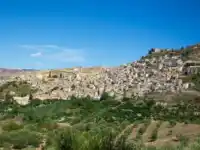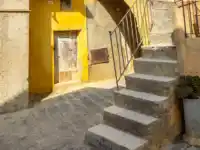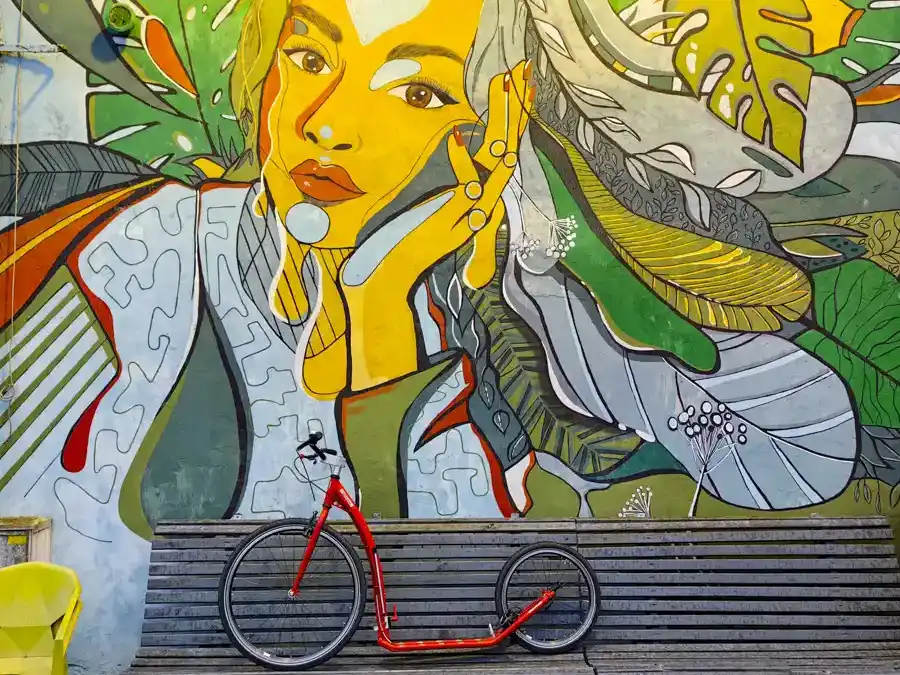
Artists, students, and travelers gather in Kazimierz, Krakow. They come to enjoy its narrow alleyways, rich mysticism, and historic architecture.
Yiddish heritage. Former Jewish Quarter. Krakow holds many legends, but Kazimierz takes story-telling to another level. Locals still pass down the story of the Kazimierz Alchemist. He dedicated his life to turning base metals into pure gold. An even more haunting legend speaks of the Mysterious Woman in White. People say she wanders the dark streets late at night.
Nothing entirely unheard of—though I wouldn’t rule out seeing her, especially after a few strong drinks. But behind the folklore lies a heavy, unavoidable truth: no one truly knows the full fate of every Jewish family who lived here before World War II, nor how many were sent to Auschwitz, located just 26 kilometers away.
The Story of Kazimierz
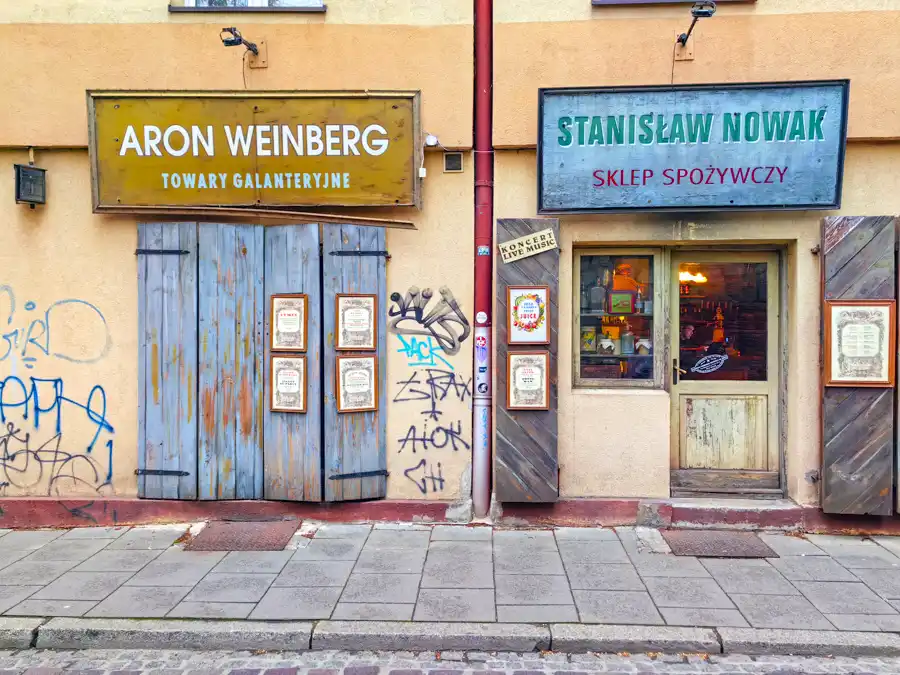
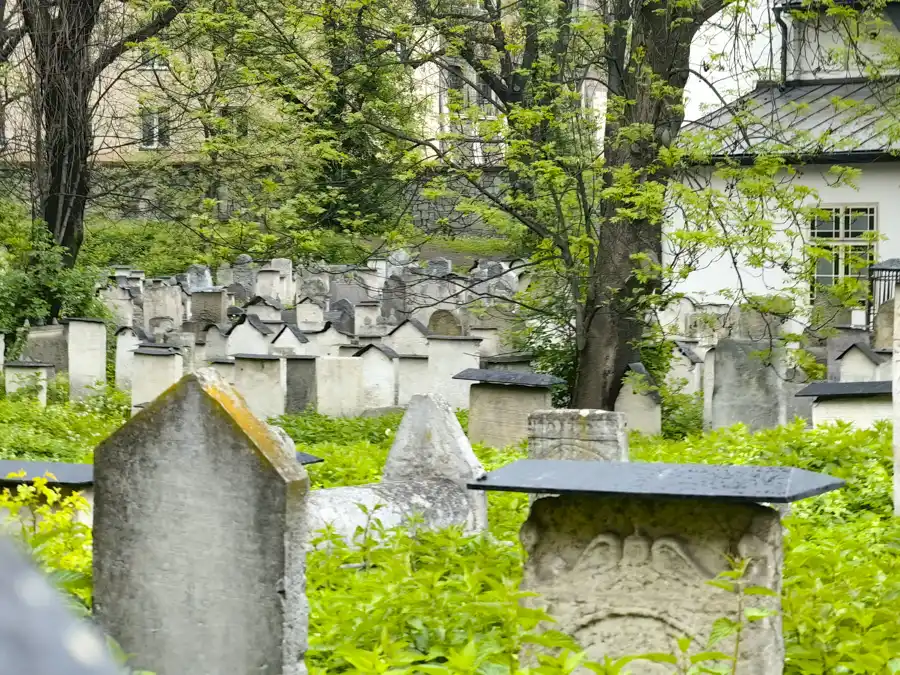
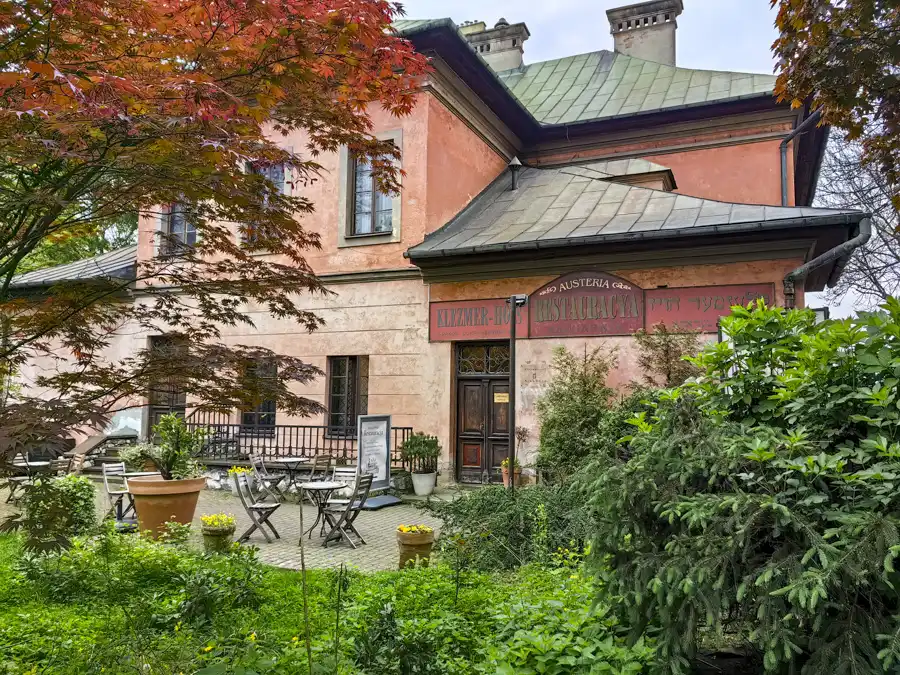
Before World War II, Kazimierz flourished as Krakow’s vibrant heart of Jewish culture. Home to seven synagogues, bustling kosher shops, and lively open-air markets. It was also a key operational area for Jan Karski, the hero of the Polish resistance who risked everything to expose the horrors of the Holocaust to the Allied powers. During the war, much of the quarter was devastated. The vast majority of its residents were deported to concentration camps. In the decades following the war, Kazimierz fell into decline—only to undergo a dramatic cultural rebirth in recent times.
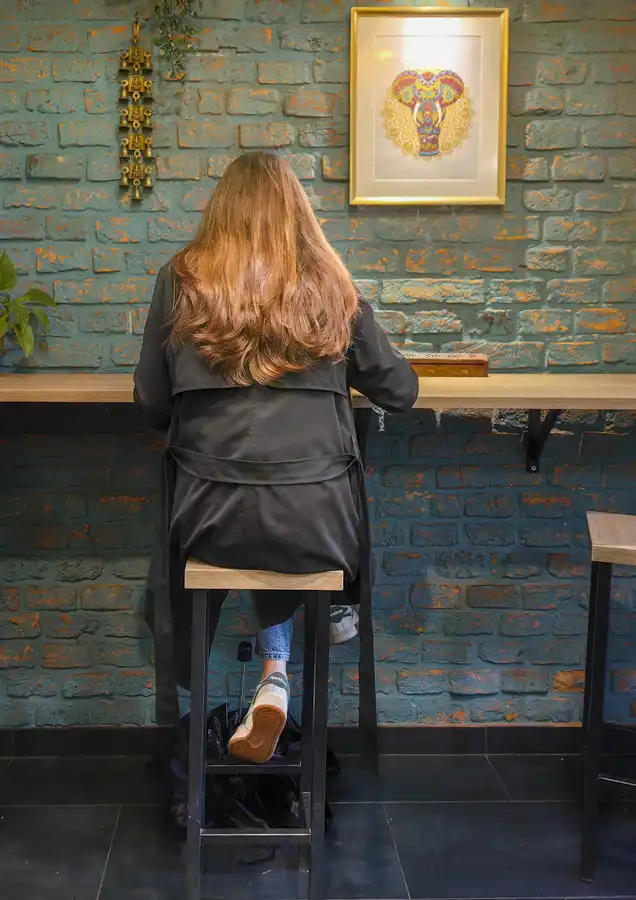
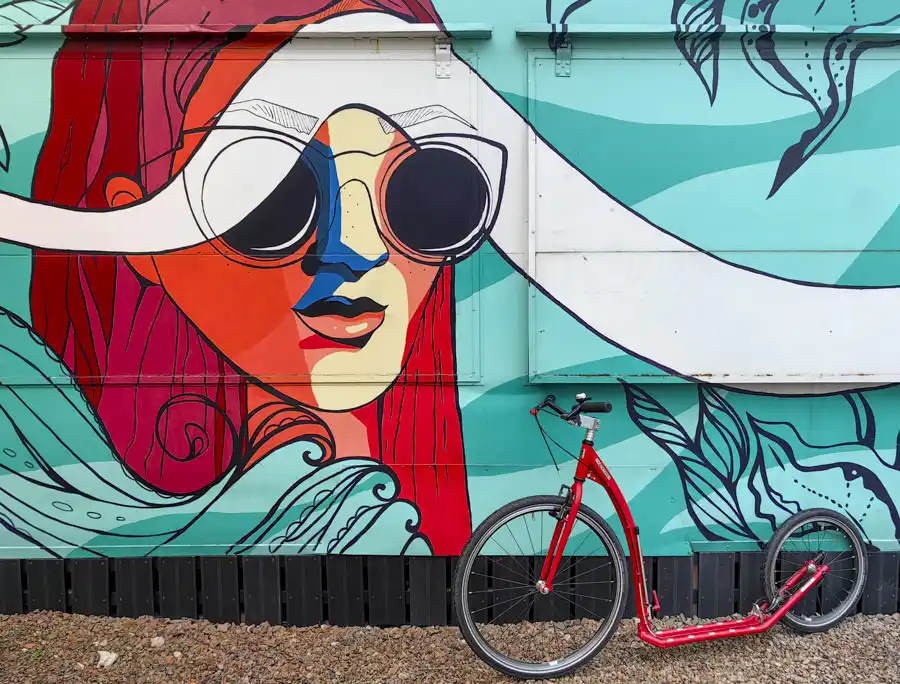
Kazimierz now stands as a magnetic hub. It shares a striking similarity to Rome’s famous Trastevere neighborhood. Raw energy, independent artists, vibrant graffiti, and cozy pubs define its unique spirit. A thriving Indian community also adds a colorful chapter to the quarter’s culture and food scene.

The Devil of Kazimierz
Local lore speaks of the Devil of Kazimierz. He appears disguised as a smooth-talking salesman, tempting passersby into lavish spending. Local stories warn that you must keep your wits about you to avoid his tricks.
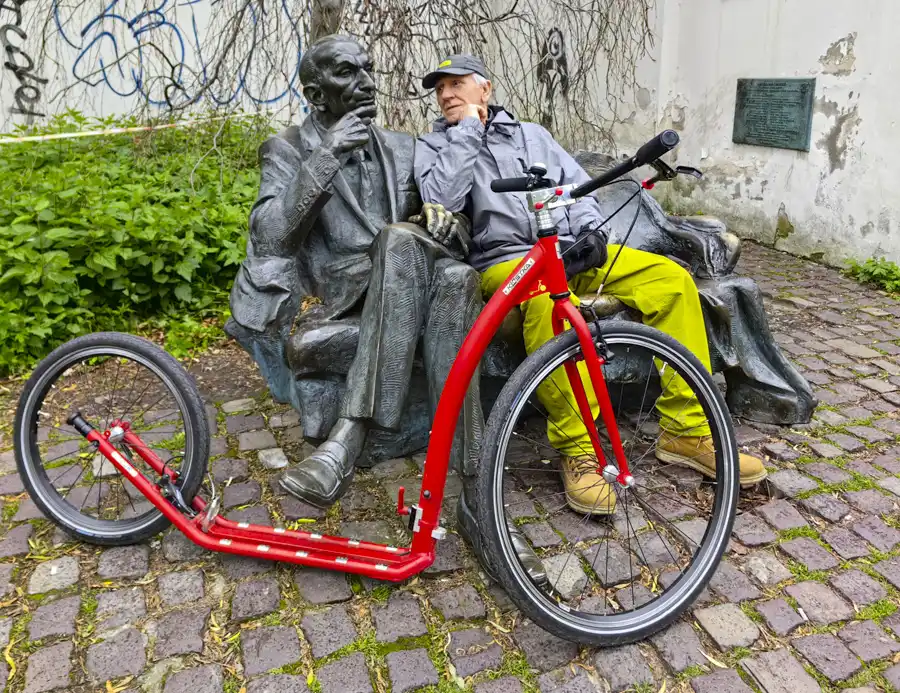
I cannot say if the merchant at the street market was the devil himself. However, we walked away with two massive Tibetan singing bowls in our backpacks. We left 4 kilograms heavier and 200 euros lighter. Riding footbikes Kostka through Krakow with that extra load tested our balance!