Why does Lanzarote look as if it had its own personal architect? It did. His name was César Manrique. He’s the one who convinced the island to become a volcanic art gallery. Here’s our personal take on Manriquism and its influence on traditional Canary Islands architecture. He pushed through the ban on high-rise buildings and neon ads. Discover how Manrique created intelligent tourism—where Jameos del Agua, Mirador del Río and the Cactus Garden aren’t just attractions, but natural extensions of the lava landscape. Was he a genius, or simply “the madman the island desperately needed”?
Lanzarote has a volcanic heart, a windy temperament and one genius—César Manrique—who acted as its long-term psychotherapist. If you spend even five minutes on the island, you’ll notice his name floating in the air with the same confidence as the smell of roasted chicken drifting from the all-inclusive buffet.
He wasn’t the type of architect you can sum up in one sentence. He was more of a painter, ecologist, visionary, anti-kitsch activist, an artist who allegedly yelled at bulldozers, and a man who believed that “the landscape is the most precious gallery—just don’t ruin it.”
Legend says he once declared:
“If you want to destroy Lanzarote, keep going like this. But I’ll haunt you even after I’m dead.“
Who knows if he really said it. They say he did. And “they say” is all we need.
How I First Felt Manrique
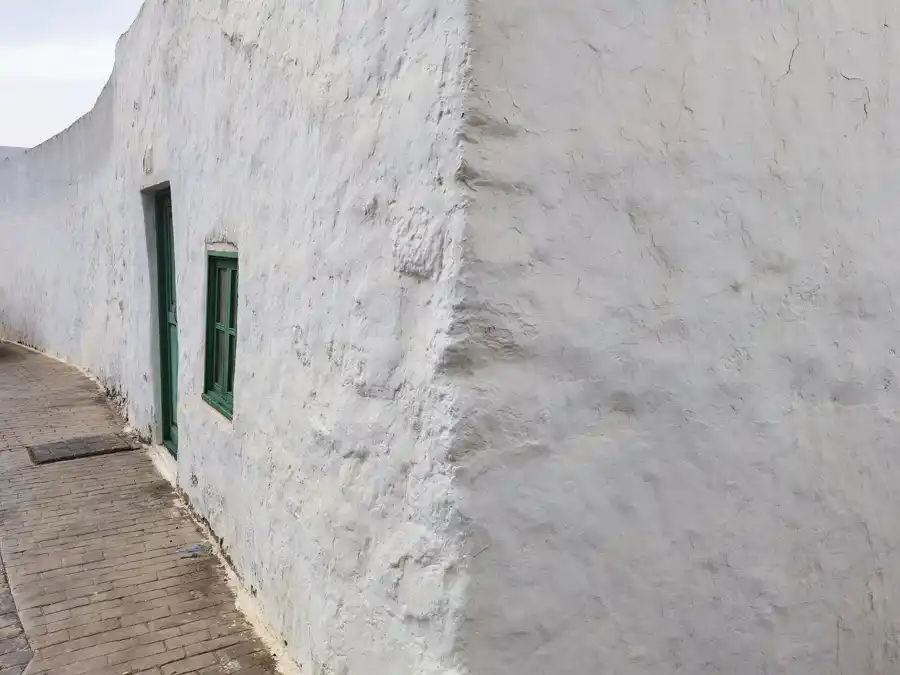
It’s simple. You step out of the car. You see a white house. Another white house. And then one more. You think, “How cute, everyone here loves minimalism.”
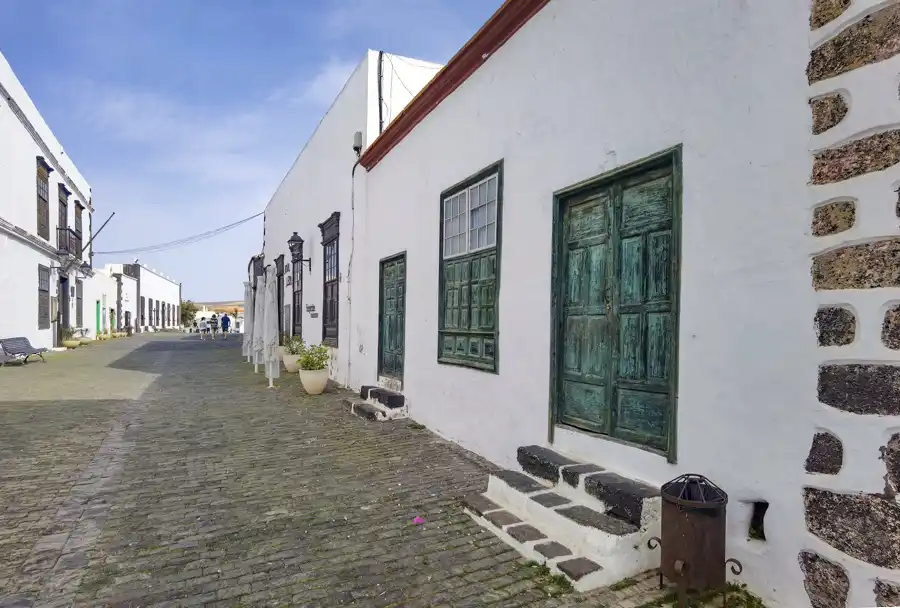
Teguise
Only later do you realise—this isn’t minimalism. This is Manriquism.
- The ban on neon lights, high-rises and tacky architecture? That’s him.
- The rule to preserve traditional architecture? Also him.
- White façades with green or blue doors depending on the region? Guess who.
- Tourism that respects nature rather than investors’ wallets? Him again.
If he could, he’d probably regulate the colour of hotel towels too.
Coming Home From New York: Manrique’s Mission — Intelligent Tourism
A genius who loved the island more than the island loved itself. César Manrique was born in Arrecife and adored Lanzarote long before the island realised it was beautiful. After studying in New York (where people were whispering he might become the next big star of painting), he decided to return. New York stayed New York. Lanzarote was the stronger drug.
And so his mission began: save the island from tourism by creating a different kind of tourism—intelligent tourism.
His Most Iconic Works: Jameos del Agua, Mirador del Río, Cactus Garden
Instead of amusement parks and concrete walls, he created:
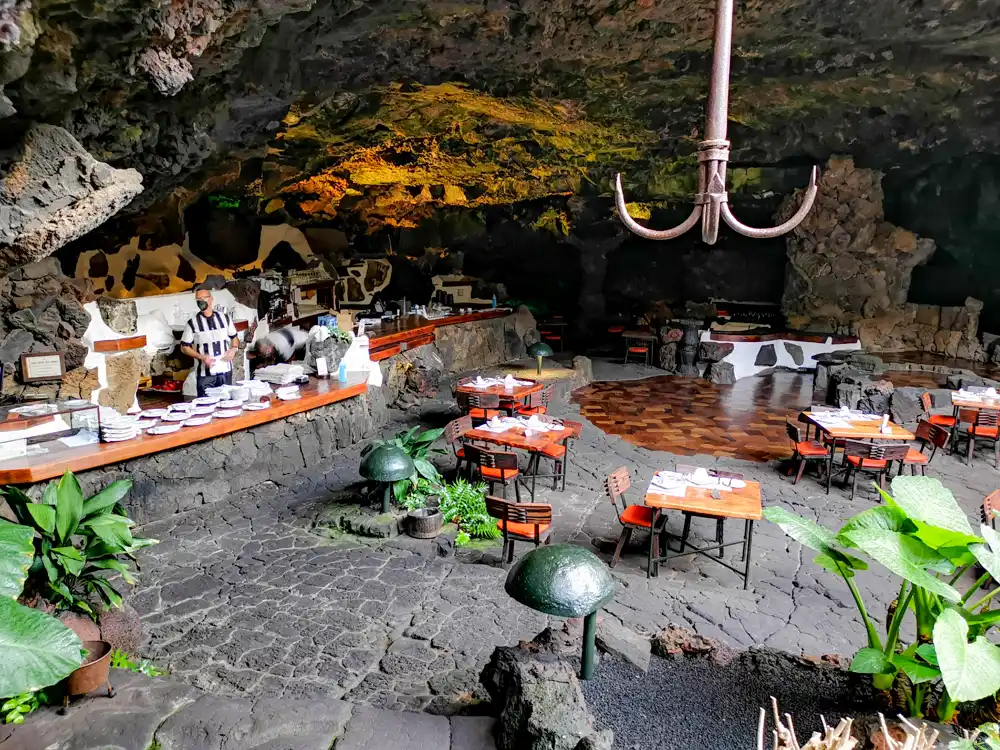
- Jameos del Agua – a concert hall inside a cave where even silence makes music.
- Mirador del Río – a viewpoint growing out of the cliff like a bird’s nest.
- The Cactus Garden – a fortified botanical sanctuary for cactus lovers.
- Lagomar – a home carved into lava (which Omar Sharif allegedly tried to buy, but lost in a card game—so they say).
His vision was simple:
Architecture should continue the landscape, not compete with it.
César Manrique
Tourism? Yes. Concrete? No. All-inclusive? Only over his dead body.
When the first investors appeared with cheerful skyscraper plans, Manrique supposedly walked into meetings shouting: “We’re not here to build towers for tourists!”
He allegedly threw one man’s blueprints on the floor saying: “If you build this, the island will make you regret it.”
Dramatic? Maybe. True? Absolutely.
Lanzarote looks nothing like the other Canary Islands precisely because of him. Low white houses. Architecture that doesn’t bully the landscape. A horizon that still breathes.
Even the hotel complexes in Playa Blanca—huge as they are—still obey his rule: no tall buildings.
Strange how one person can save the aesthetics of an entire island. Lanzarote is proof.
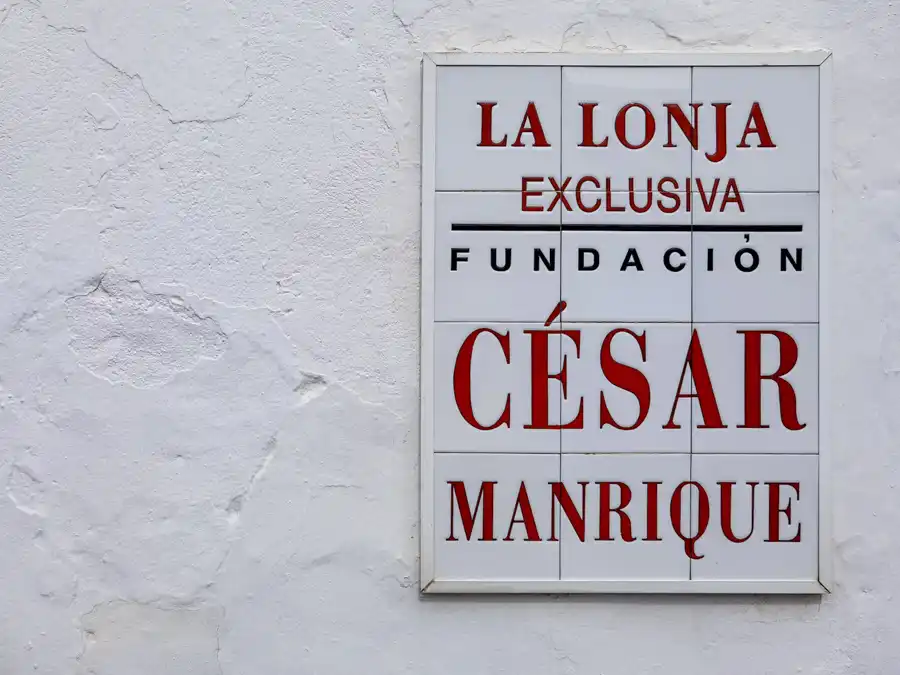
The House-Museum in Tahíche: A Home Carved Into Lava Bubbles
Visiting Manrique feels like visiting a friend who just stepped out of the room. The house-museum in Tahíche is exactly that. Carved inside lava bubbles, connected by tunnels, terraces sprouting out of black soil. Everything radiates calm. And quietly screams: “Listen to the landscape. It knows more than you.”
That’s César Manrique.
Tragic Irony: Death on the Crossroad He Criticised
He died in a car accident. Right in front of his own house. On the very junction he had long criticised for poor signage.
Tragic irony. But Lanzarote carries him on in every architectural line.
How to Feel Manrique Today (Basically Everywhere)
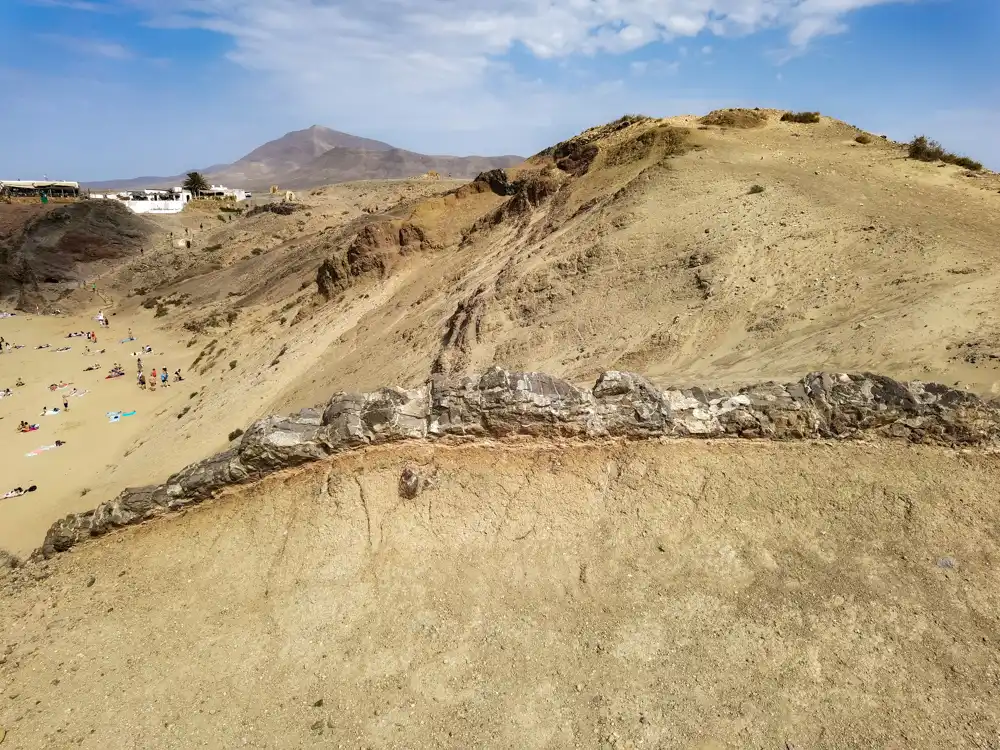
- When you’re sitting on Papagayo beach and staring at those clean landscape lines—that’s Manrique.
- When walking through Arrecife and noticing houses that don’t break the horizon—that’s him.
- When standing on Mirador del Río, unsure where the rock ends and architecture begins—that’s exactly what he wanted.
Without Manrique, Lanzarote would be another Gran Canaria. With him, it became a volcanic art gallery—an island that chose to have style.
Honestly? César Manrique wasn’t the architect of the island. He was its art director.
**Manrique’s Impact on Tourism
(Practical Observations)**
- White façades: ⚪ Almost every house is white—his rule.
- Door colours: 🚪Green in the north, blue by the coast, brown inland.
- Low horizon: No skyscrapers, no skyline pollution—his biggest victory.
- Architecture = landscape: In his works, ask yourself: Where does the rock end and the building begin? Answer: Nowhere.
**Conclusion:
If the island has a soul, César Manrique is the one who lent it to Lanzarote**
When you leave his museum, his viewpoints, his caves, you’ll think: “If only every island had its own Manrique.”
And perhaps your holiday will make more sense once you realise: The landscape wasn’t made for tourists—tourists should learn to live within the landscape.
They say he said that. And I’m quite sure he meant it.