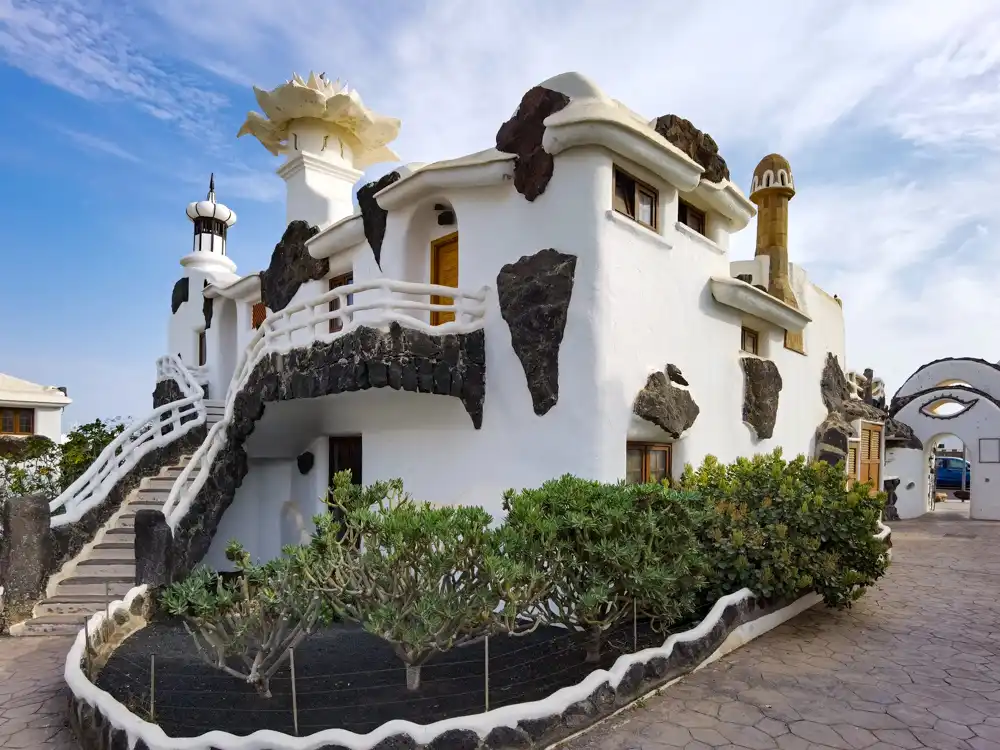
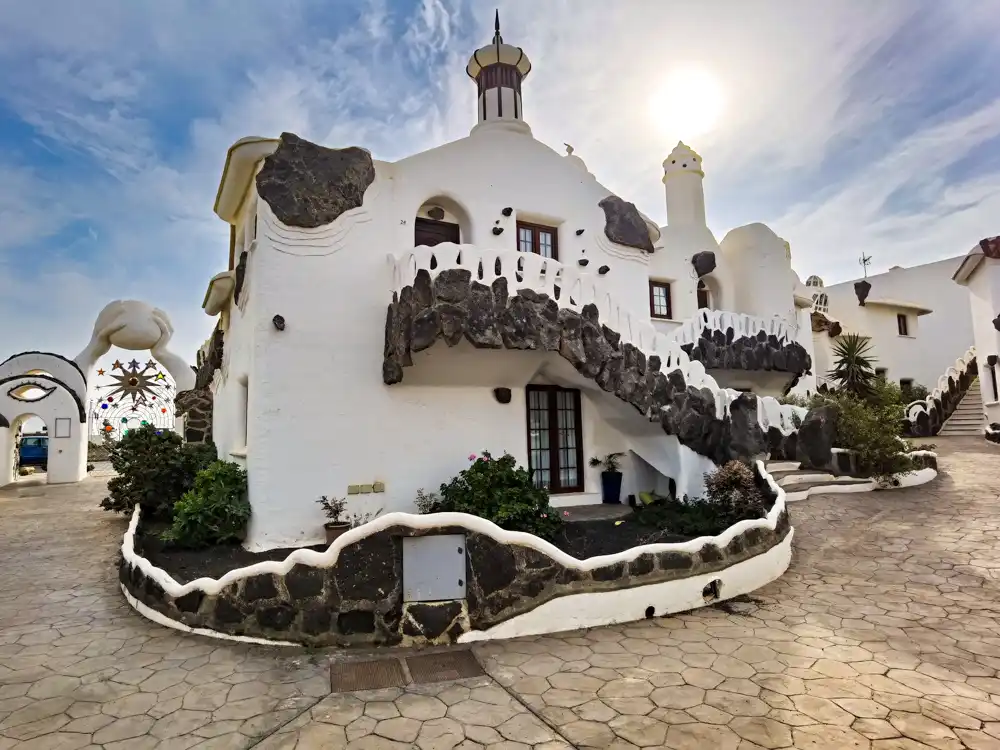
We thought Lanzarote was all about volcanoes and César Manrique. But the island has this strange habit. You come for the beaches and the craters, and suddenly it drags you into corners you had no idea existed. That’s how we ended up standing in front of the Los Villarreales residential complex in Tías. Antonio Padrón Barrera — a self-taught architect — created something here that looks as if Gaudí went for a beer with Hundertwasser and both decided to try something even bolder.
No hotel resort or Sicily’s Borgo Parrini can compete with this. Forget sterile white cubes; this is architecture that speaks the language of lava, wind, and salt. Barrera is the island’s chronicler, only instead of a pen he writes with stone. And when you ask locals what on earth this place is, they whisper proudly: “That must be Barrera.”
And here’s why it became our secret must-see.
Antonio Padrón Barrera: A Self-Taught Architect and Chronicler of Lanzarote
For Lanzarote, Antonio Padrón Barrera is a kind of chronicler who writes without ink. A self-taught architect, an artist, a man obsessed with the idea that a house must speak the language of the land. You won’t find him in architecture textbooks — and yet he lives vividly in the memories of those who grew up around his work.
They say that when Barrera first kicked up the dry volcanic dust, he muttered:
“If I don’t turn this into a house, I’ll be living in a world that doesn’t listen to its own island.”
Whether he really said it, I don’t know. Apparently yes. And I like things that begin with “apparently.”
Our Story: How We Ended Up Inside Los Villarreales in Tías
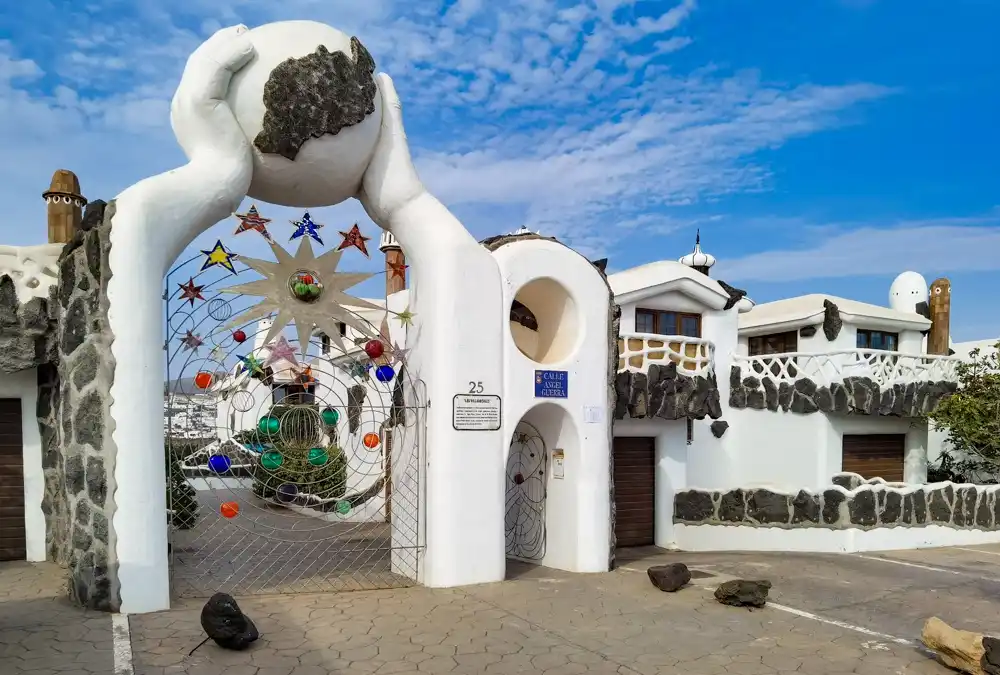
I was lucky. Truly. The gate was left slightly open, the kind of half-shadow that looks like an animal’s eye asking: “So… coming in or not?”
I stepped closer and one of the residents waved at me:
“Don’t worry, have a look. He would be happy.”
By he she of course meant Barrera.
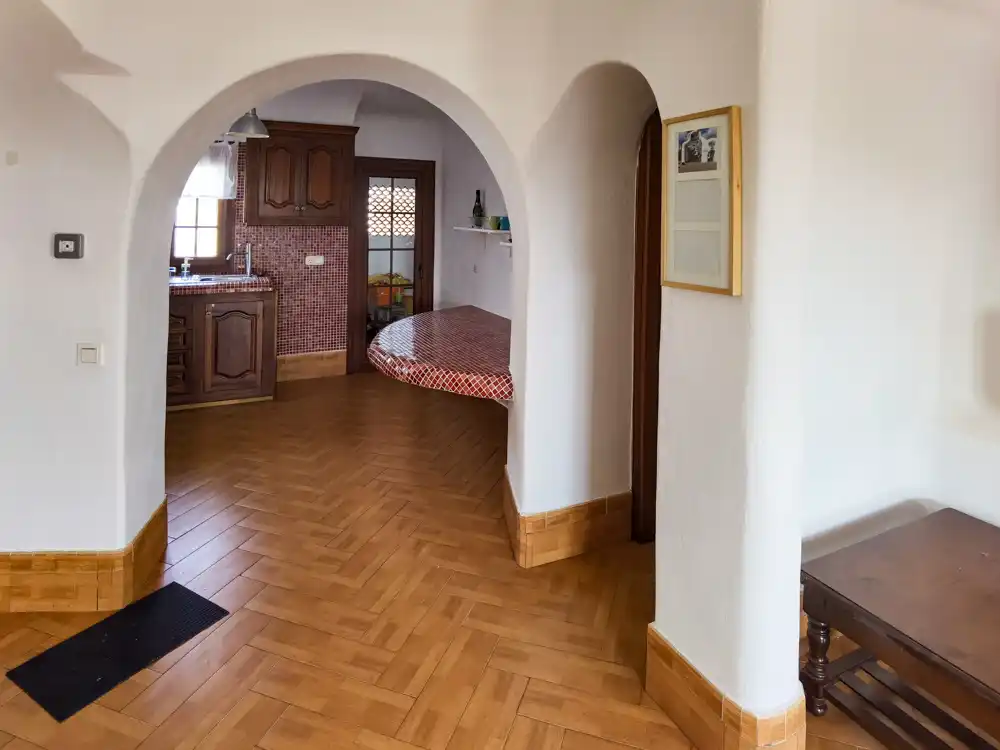
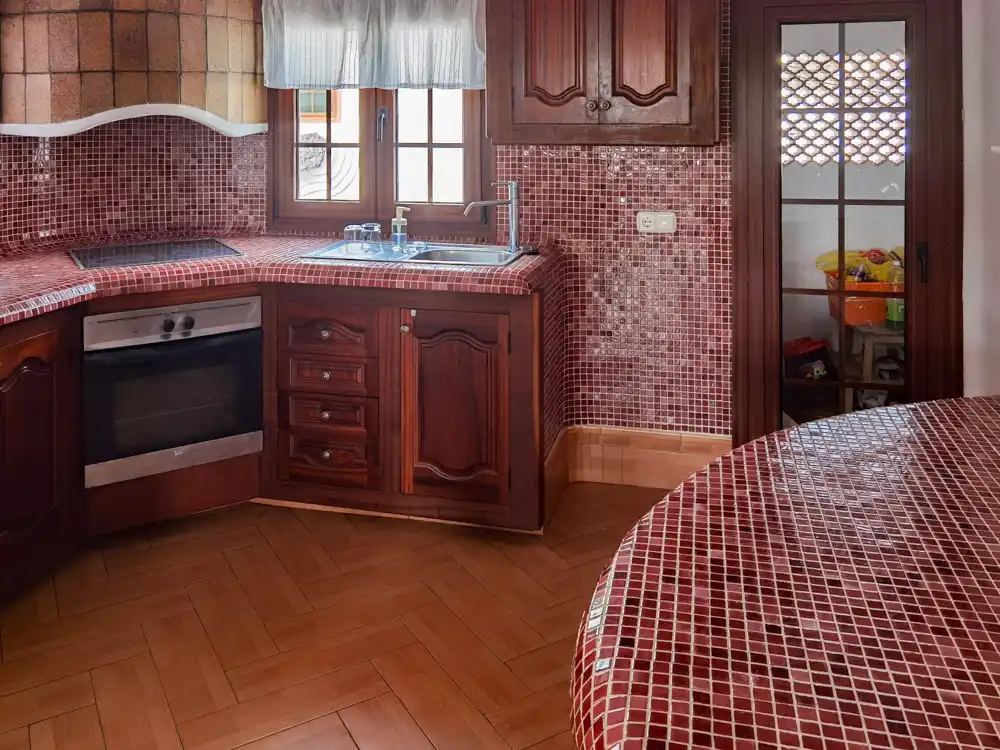
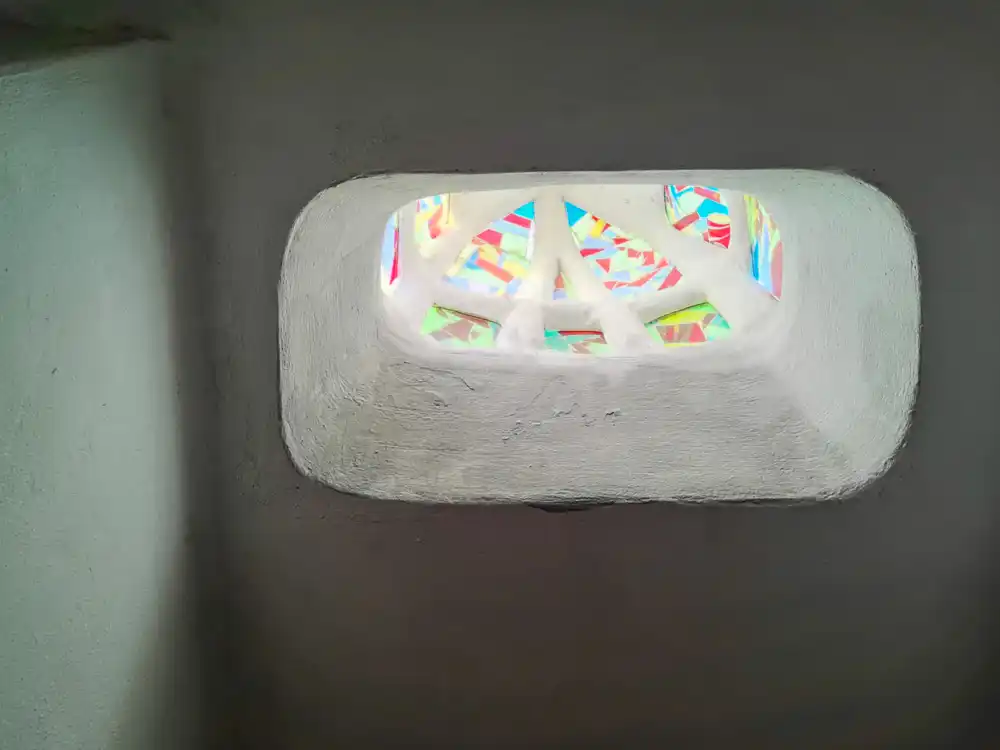
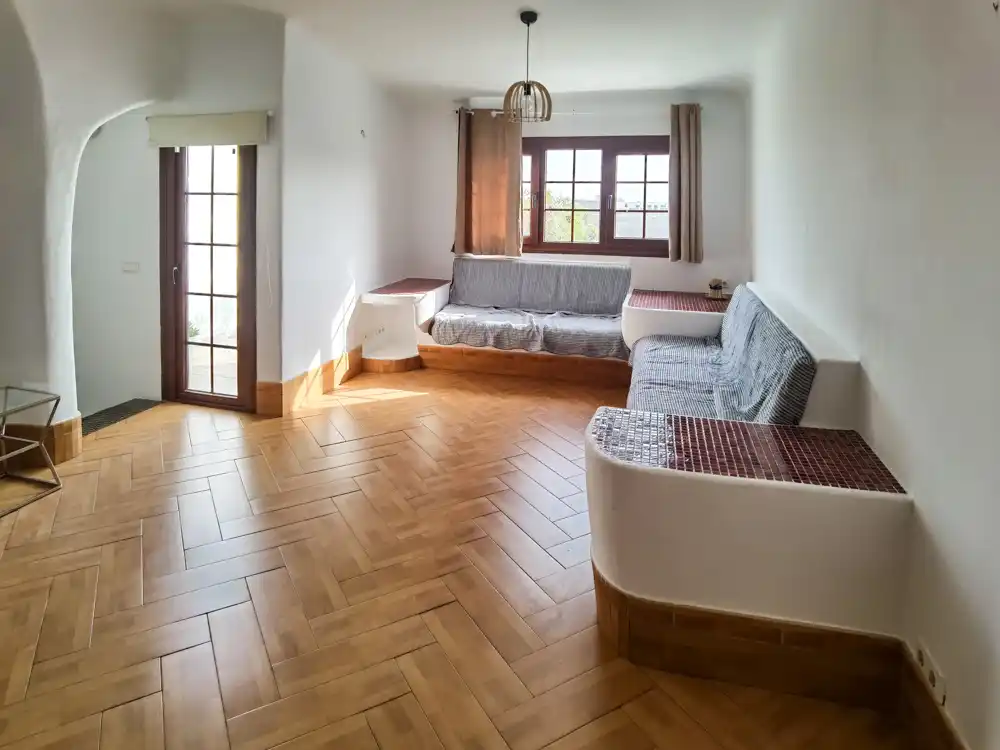
Lava, Wood, and Salt: What Makes Barrera Different From Manrique?
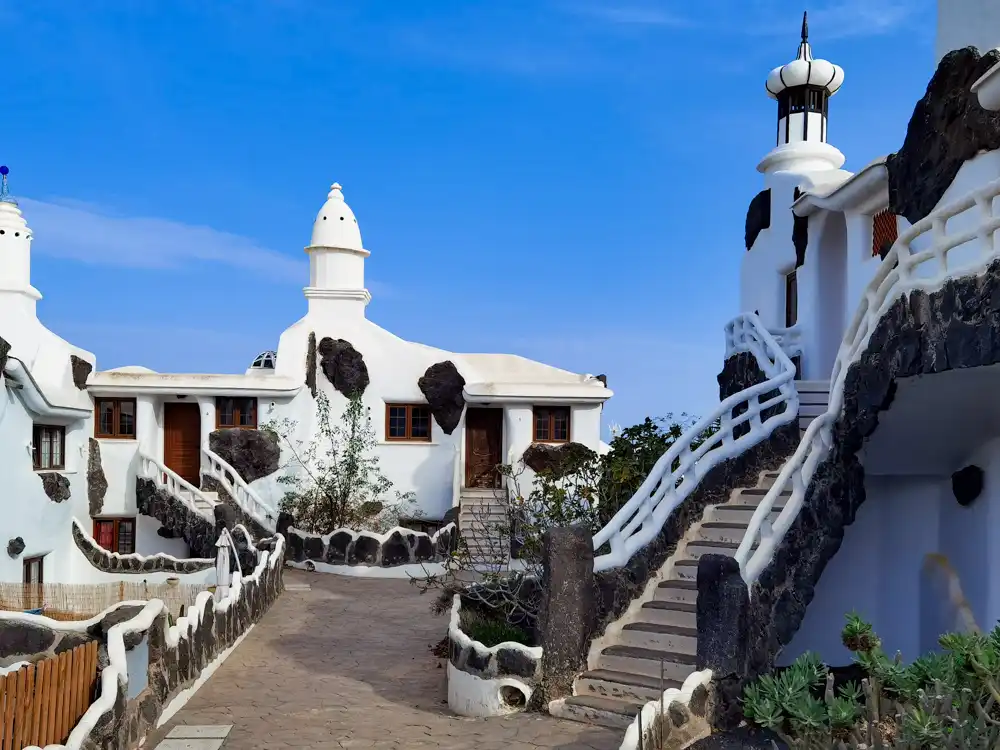
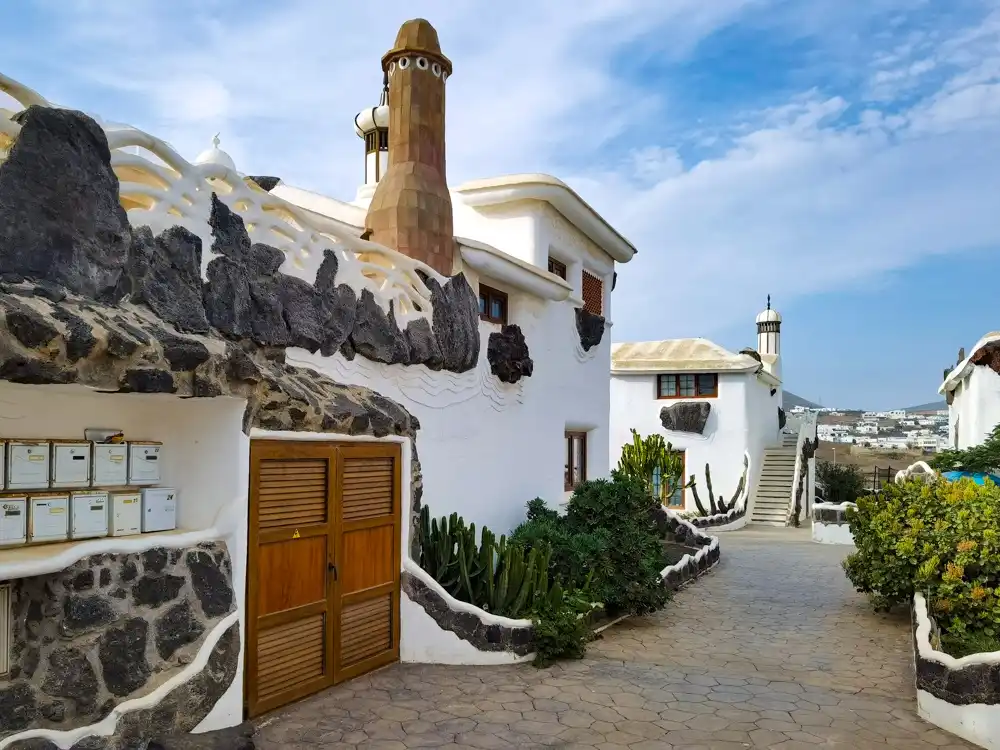
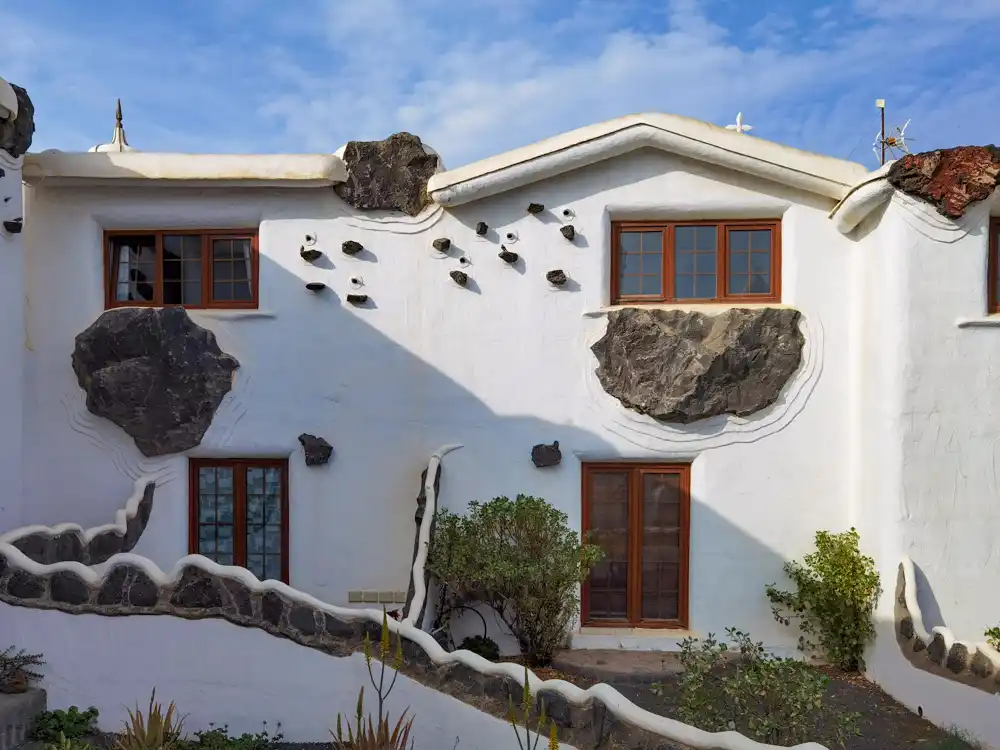
When I walked in, the first thing that hit me was the mass. Not a clean white box, not modern glass — but stone, lava, forms shaped more by a conversation with a volcano than by a ruler. Barrera refused to use anything the island didn’t already know:
- stone from the lava fields
- wood from local farms
- shapes inspired by old Canarian chimneys
- windows reminiscent of traditional fishermen’s houses
- doors in shades the wind probably carried in from Africa
Every room had its own personality. Some seemed shaped by dunes, others by ancient terraced fields, others still by caves.
One of the women whispered to me: “He was a bit crazy. But the island needs people like that.”
A House That Watches You: Architecture as the Island’s Storyteller
Standing inside Los Villarreales felt like stepping onto a film set where architecture finally does what it’s supposed to: tell a story without shouting. It doesn’t demand admiration — it simply makes you think about what Antonio Padrón Barrera was trying to say.
Maybe it was simple. Maybe he just wanted to remind us that Lanzarote isn’t a tourist destination but a living organism adapting to wind, salt, drought, and people who always want something.
Los Villarreales: Proof That Lanzarote Is Alive
One thing is undeniable: Barrera was unique.
And Los Villarreales proves that when an architect allows the island to speak, the result isn’t modern or traditional or eccentric. It’s Lanzarotean.
That’s exactly why it deserves to be written about.
Antonio Padrón Barrera showed us that Lanzarote carries a deep, quiet story told through stone. Los Villarreales is proof that architecture doesn’t need to shout to be heard.
Do you know any similar hidden places on the Canary Islands we should see? Share your tips with us! 💬