The world of Hikevent is not just about the mountains. True experience often comes from bridging the gap between physical movement and mental stimulation. Contemporary art offers a new path to discovering cities—a compass defining horizons that are unique, authentic, and visually arresting. It is more than an aesthetic stop; it is a live confrontation.
The clash between curated galleries and the street art rebellion of a younger generation provides constant urban inspiration. It provokes thought and, through often bold and defiant means, forces us out of our comfort zones—much like a steep ascent in the high peaks.
This article serves as our core framework and a living roadmap, helping us map our journeys through the lens of visual thinking.
Table of contents
🎬 Contemporary Art Galleries
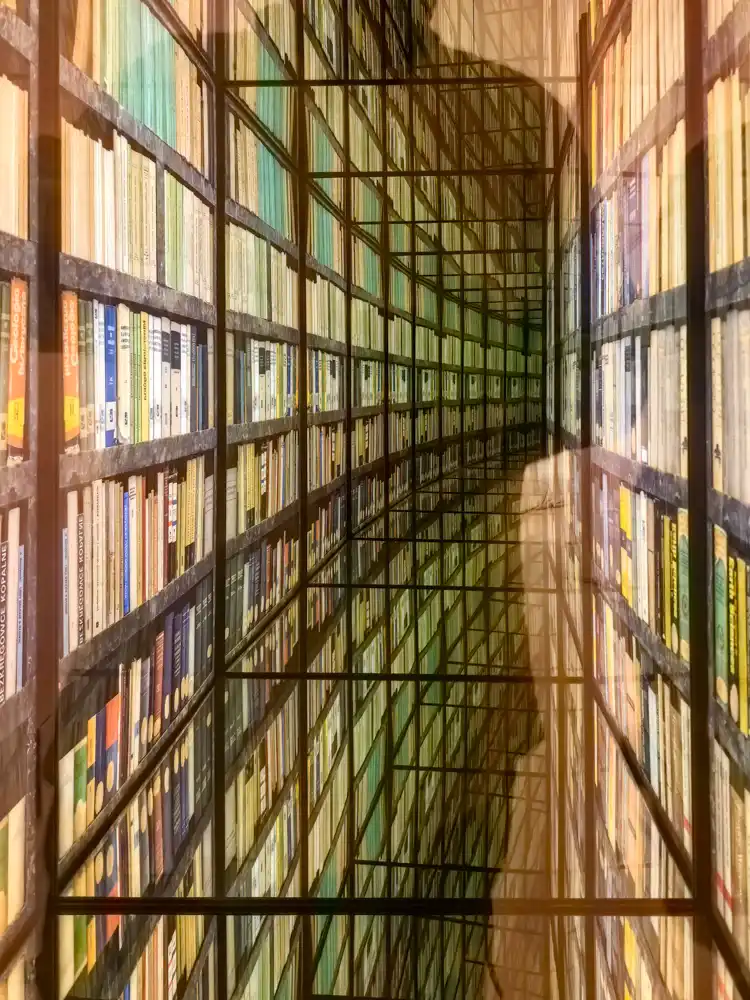
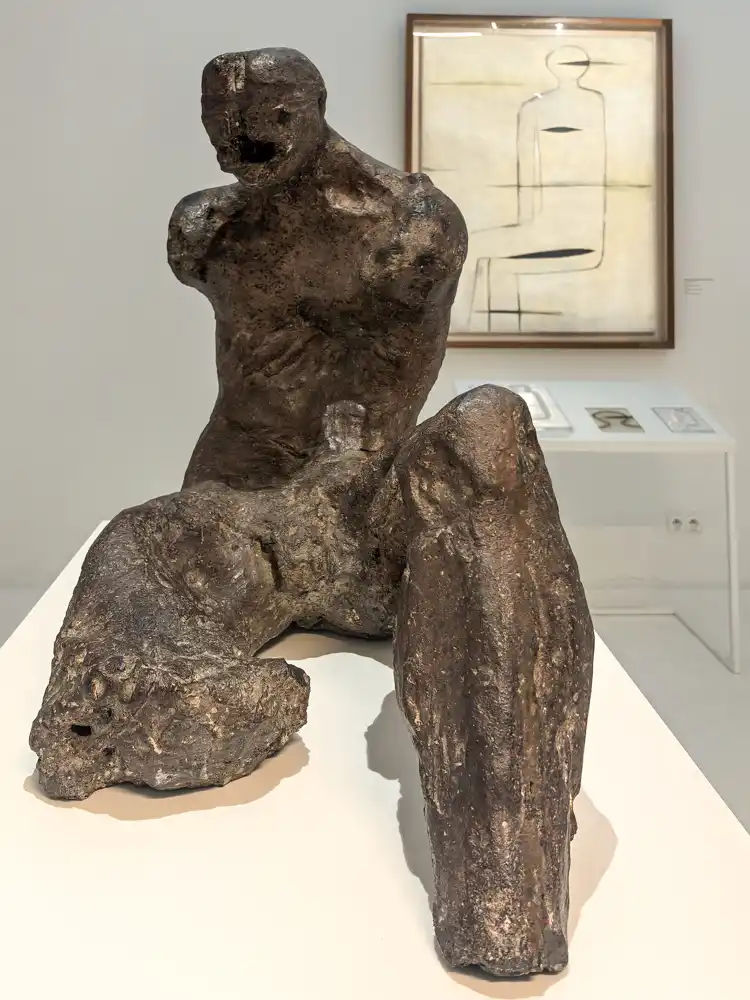
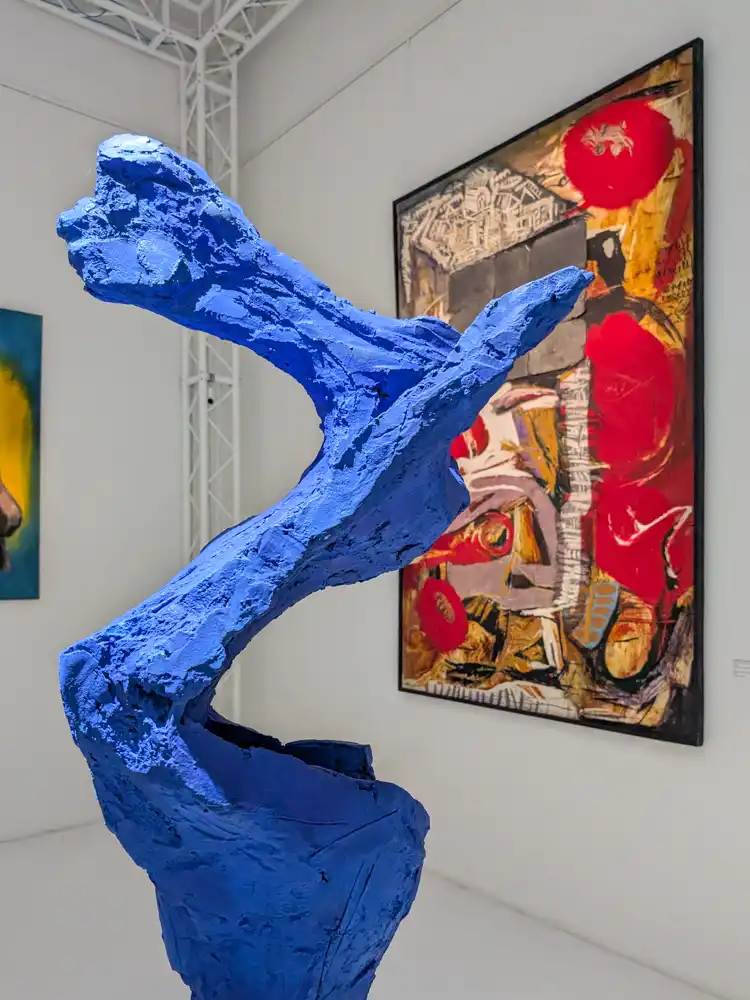
In these spaces, we seek silence, depth, and a curated perspective. These are places where ideas are transformed into monumental experiences.
Gulliver in Prague. DOX is unique because it wasn’t built on state subsidies, but out of a private investor’s need to create a platform for critical discussion. Its centerpiece is the 42-metre wooden Airship Gulliver, a symbol of escape from reality and a belief in humanism. DOX breathes freedom and forces me to confront social taboos. It is also a symbol of the transformation of Prague’s Holešovice district into a modern SOHO. 👉 Report from DOX
Art in former slaughterhouses. This gallery is a masterclass in converting industrial spaces. PLATO isn’t just a “white cube”; it’s a city habitat. Its openness is fascinating—the boundaries between the gallery and the city simply vanish. It is living proof that contemporary art thrives on authenticity and rawness. 👉 Report from Plato
Polish avant-garde in pure light. Hans Poelzig’s architecture houses the most significant collection of 20th-century Polish art. Its uniqueness lies in the contrast: while disturbing installations provoke you inside, the Zen-like calm of the Japanese Gardens awaits just outside. 👉 Report from the Four Domes Pavilion. Also, discover 👉 MWW Gallery, located in a former air-raid shelter, featuring a “train to heaven” sculpture.
Art is what you can get away with.
Andy Warhol
A laboratory of radical ideas. Ujazdowski is no ordinary museum. It is a centre where the very boundaries of what constitutes contemporary art are tested. The exhibitions here are often politically or socially charged, forcing the visitor into immediate self-reflection. Don’t miss the MSN in the city centre either. 👉 Report from U-jazdowski
Creativity within the fortress. Located in the 16th-century St James Cavalier fort, this symbiosis of massive stone walls and modern multimedia installations creates a tension you won’t find anywhere else. It’s proof that contemporary art can breathe life into the oldest monuments. We don’t just visit Spazju Kreattiv because we’re in Malta; we go to Malta because 👉 Spazju Kreattiv exists.
A dialogue with the past. In a land defined by antiquity, MOMUS provides a vital counterpoint. It specialises in the tension between the past and the present through experimental contemporary art, seeking answers on how to “tell stories for a next tomorrow” in a region heavily burdened by history. 👉 Report from MOMus
🏛️ Extraordinary European Museums
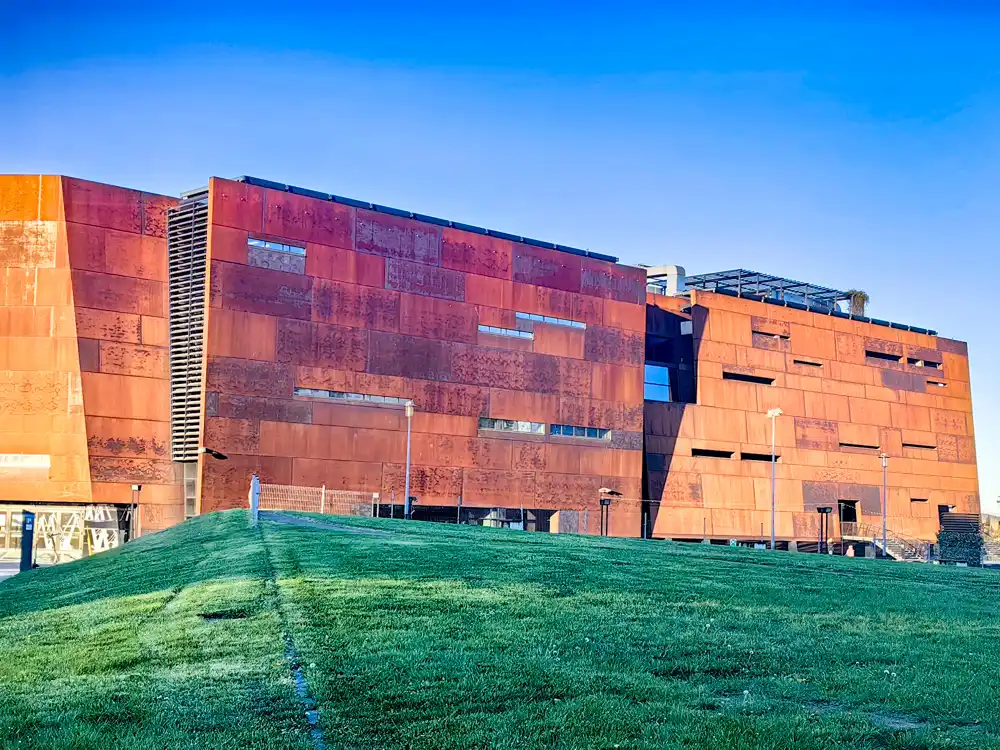
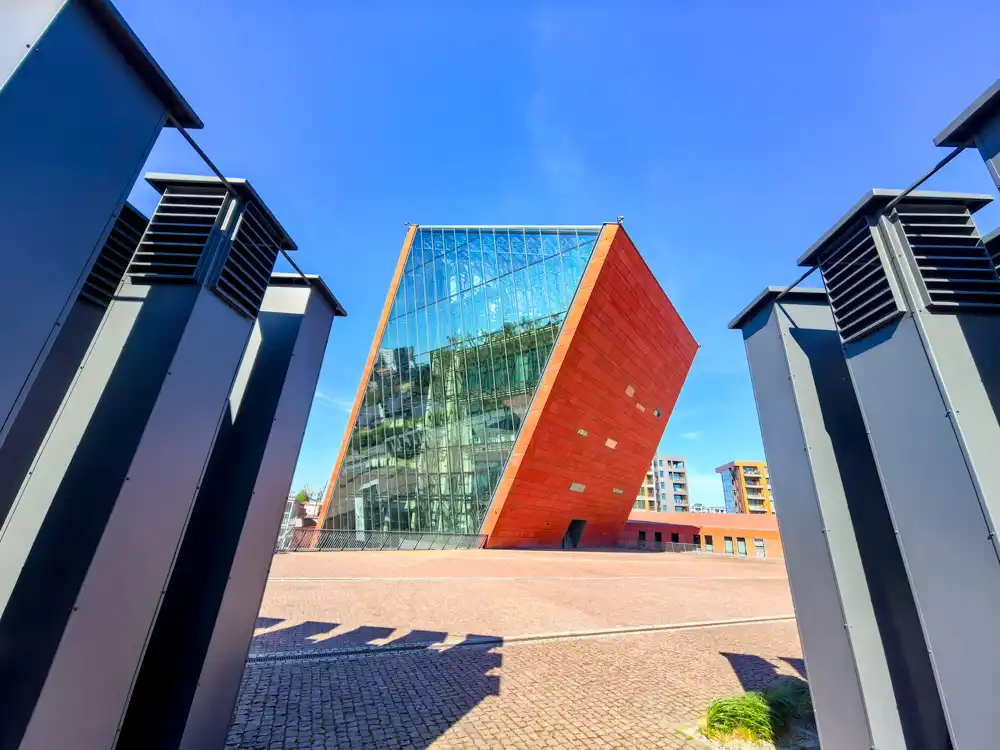
On our travels, we have discovered several museums that deserve special attention for their sheer impact and narrative.
War and Solidarity. How we emerged from the underground and walked into freedom. Two massive museums in Gdańsk that force you into deep self-reflection and contemplation. 👉 Report from the museums
Set aside at least three hours for this one. This museum takes you through centuries of winemaking and wine territories across the globe. 👉 Discover Cité du Vin
A place where Gothic, Baroque, and Modern art meet in an extraordinary narrative on the banks of the River Oder. 👉 Report from MNWR
Prague is a city of history and art, but also—surprisingly—technology. If you thought technical museums were dull, you clearly haven’t been here. 👉 Report from NTM
Small in size, massive in inspiration. Where else can you return to childhood and get closer to “Journey to the Beginning of Time” than in this little museum tucked right under Charles Bridge. 👉 Discover Karel Zeman
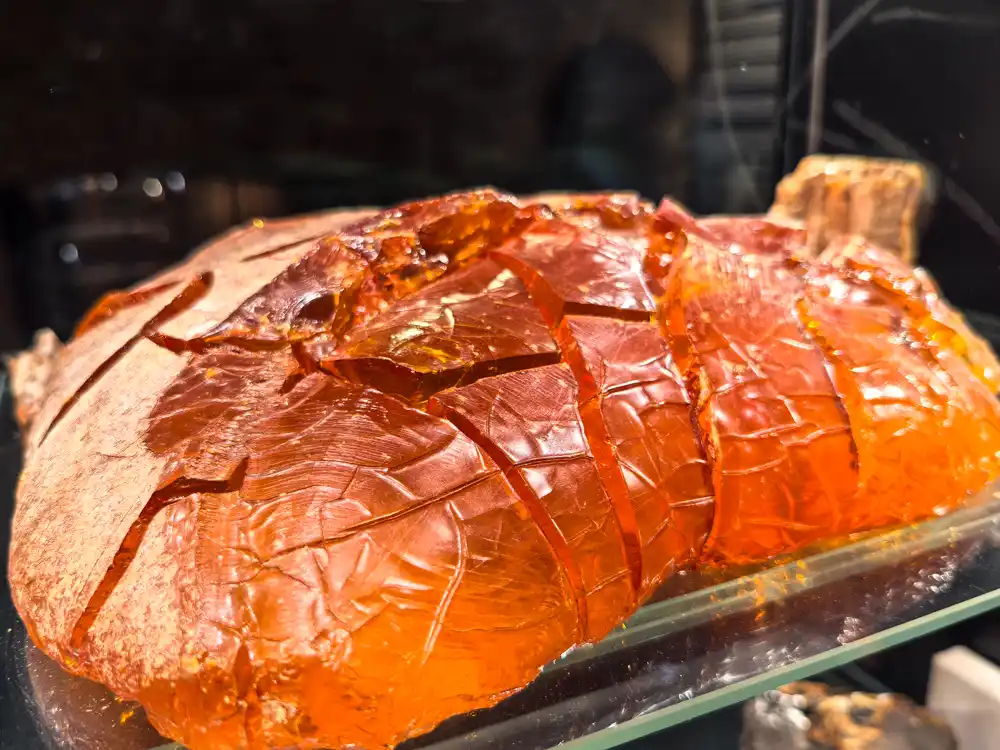
Amber Gdańsk offers you 4,000-year-old insects trapped in resin that you can not only touch but understand, buy, and wear. 👉 Discover the charm of Amber
🎨 Works of Master Artists
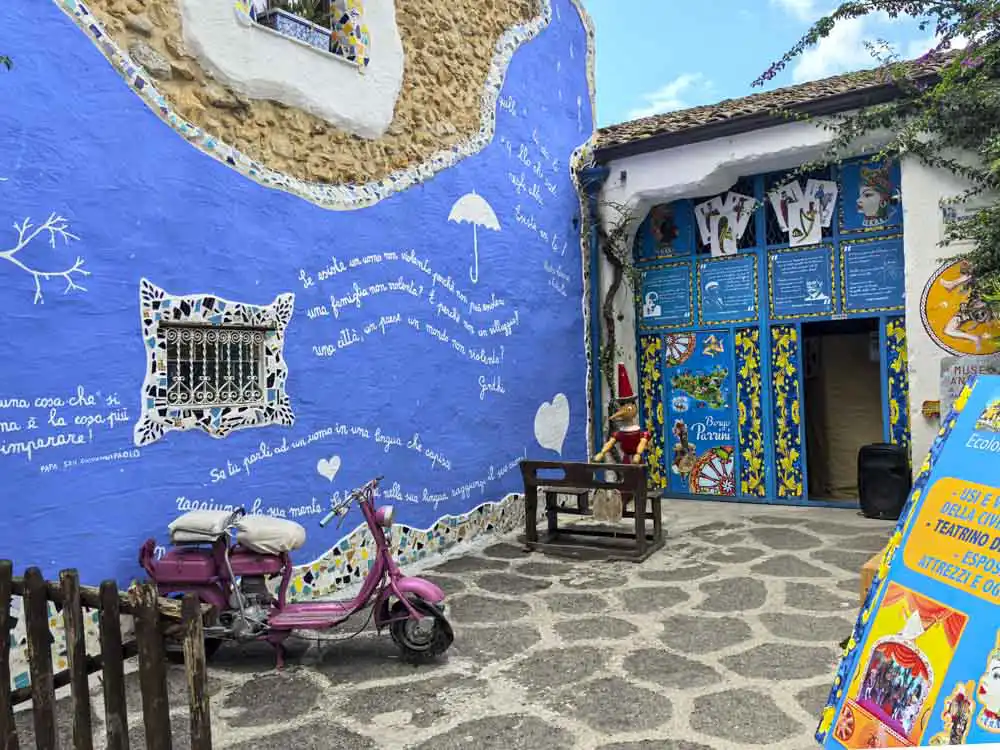
Discover galleries and sites where an artist’s life bleeds into the very space that defines them.
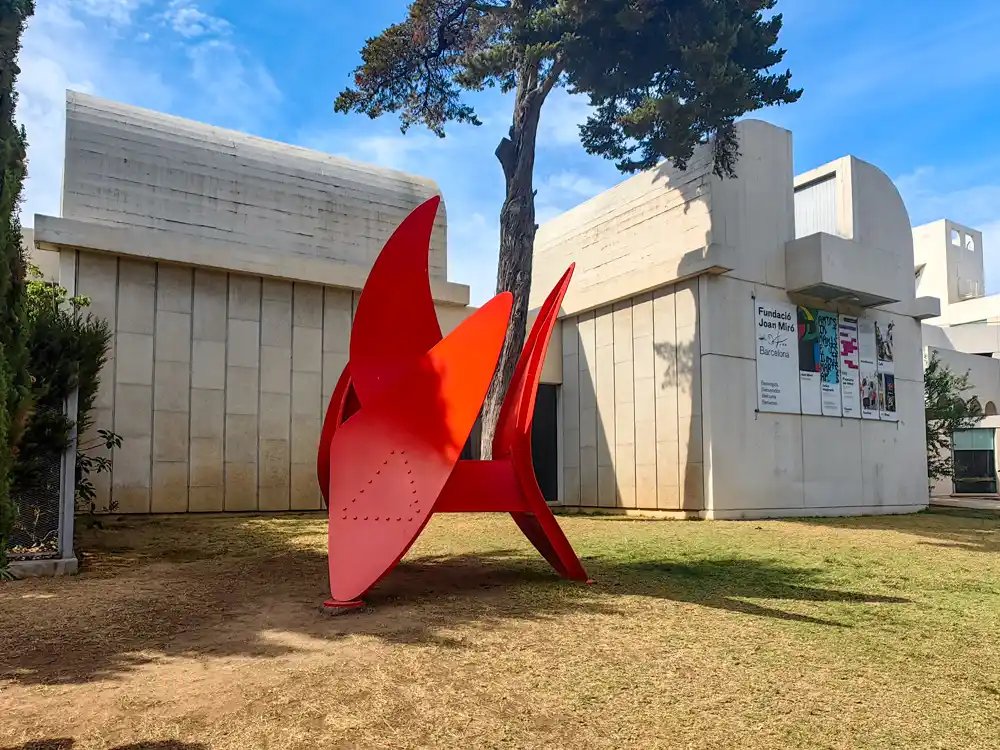
Modernism in the embrace of Montjuïc. The gallery building is a masterpiece in its own right. The light falling on Miró’s surrealist sculptures and paintings is meticulously directed. The terrace views over Barcelona are a highlight—here, you understand that contemporary art cannot be separated from the landscape it was born in. 👉 Report from Miró Foundation
n intimate return to genius. In the Buenavista Palace, you’ll realise Picasso was a lifelong seeker of new forms. While he has a gallery in Barcelona, his birthplace offers a chronological cross-section of his work in a highly intimate setting. 👉 Report from Picasso Museum
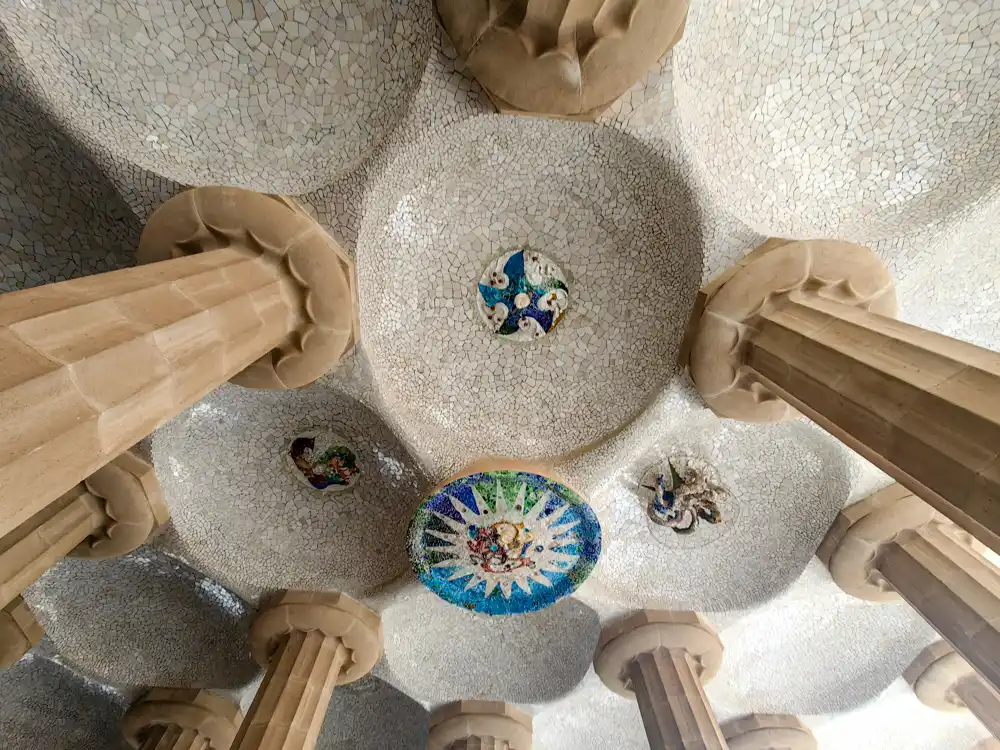
His buildings seem to grow directly from the earth. Barcelona owes its tourism to no one more than Gaudí. An open-air gallery in the city streets that surprises everyone—Sagrada Família, Park Güell, and his iconic houses. 👉 Explore Gaudí’s Barcelona
🧱 Street Art Hubs and Spaces
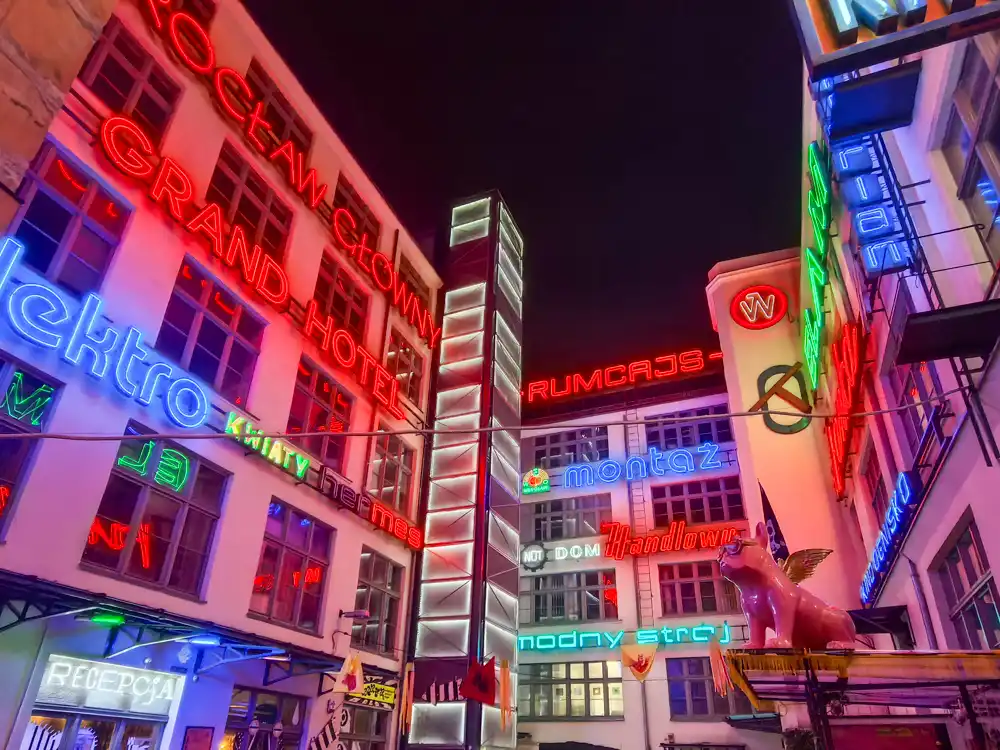
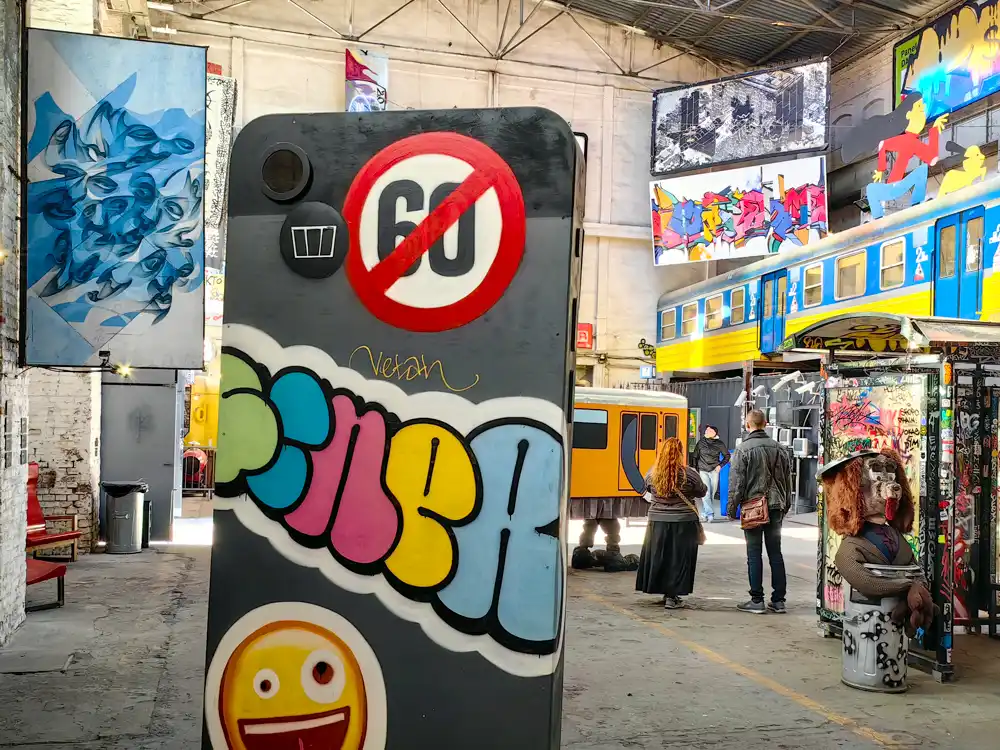
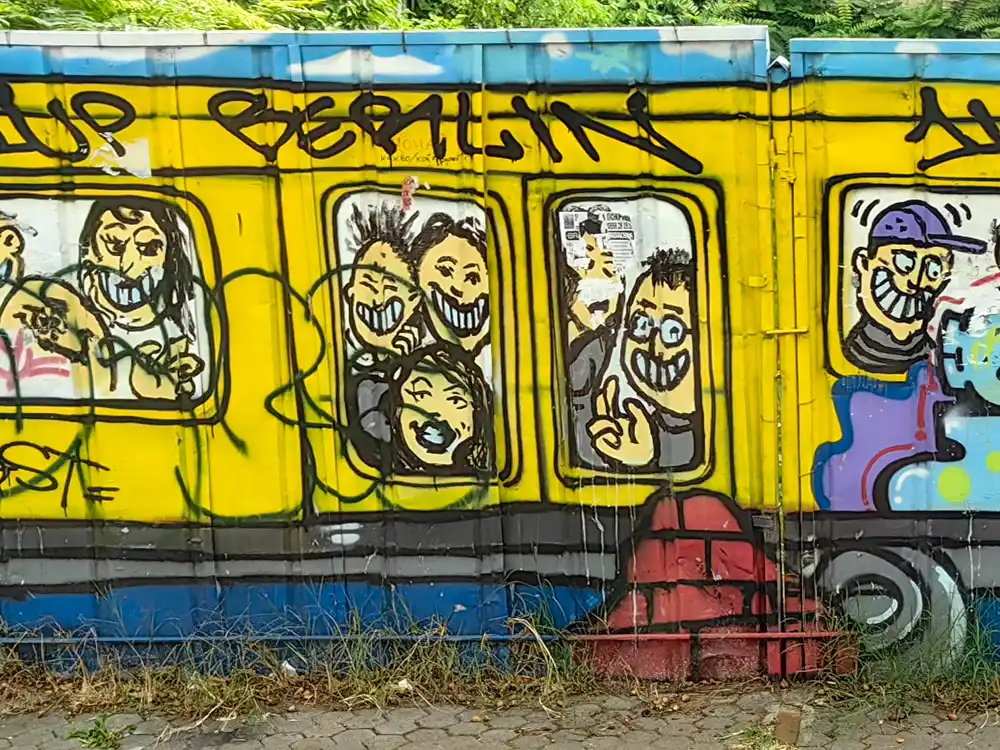
We don’t just look for today’s art behind institutional doors. Street Art Hubs and Alternative Spaces is the barometer of freedom and the authentic voice of urban subculture.
Freedom among the containers. Within the Gdańsk shipyards, a unique ecosystem has emerged from shipping containers. 100cznia is where contemporary art mashes with urban lifestyle, music, and street food. It is a prime example of how the younger generation reclaims the scars of industrialism to create community. 👉 Discover 100cznia
There is no greater difference than the day and night faces of Wrocław’s Russian Street.
🔄 Our Vision: Why we do it differently
You may have noticed that in standard travel guides, galleries and art are often treated as a “box-ticking exercise.” You get a few generic sentences written for algorithms, making it painfully obvious that the author never set foot in the building, experienced nothing there, and merely used the entry as “filler” between lists of cheap hostels, tasty gastro, beach bars, and “must-see” tourist traps.
We refuse to stay on the surface. Wanna go deeper.
We truly live for contemporary art and street art. For us, it is a universal language that allows us to grasp the deeper context of the places we traverse. Art helps us see the world from perspectives that would otherwise remain hidden. Top-tier galleries and museums aren’t just items on a list; they are sites of genuine emotional impact. We often find ourselves contrasting the calculated language of curators with the raw, gritty messages of the street.
We have no interest in reciting encyclopaedic data. The goal is to convey that moment of realisation—that ‘awakening’—when art stops you in your tracks, leaves you unsettled, and forces the questions to the surface. We believe that a well-rounded person is more perceptive, both to the world and to themselves. Our goal is to inspire your own personal “restart” through experiences that possess real depth and truly enrich your life.