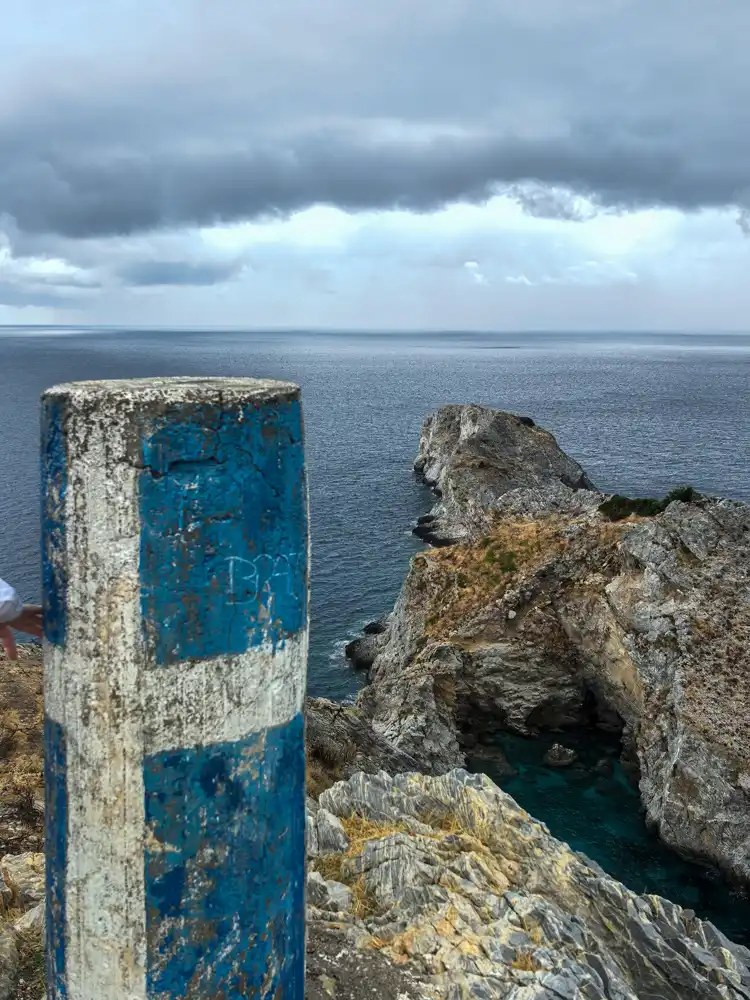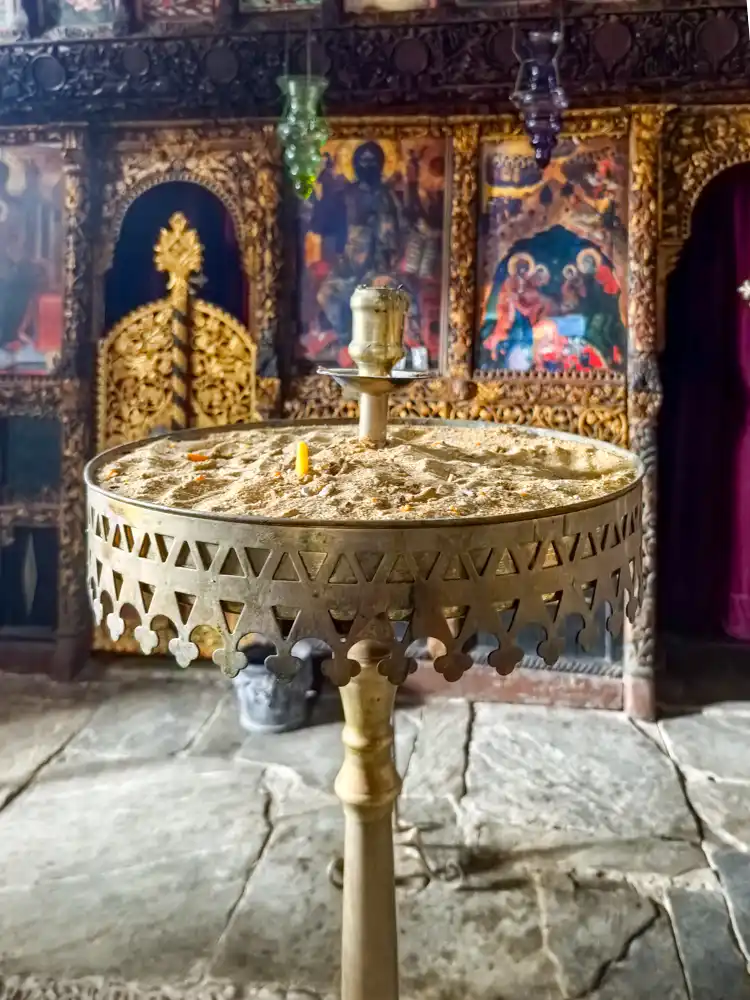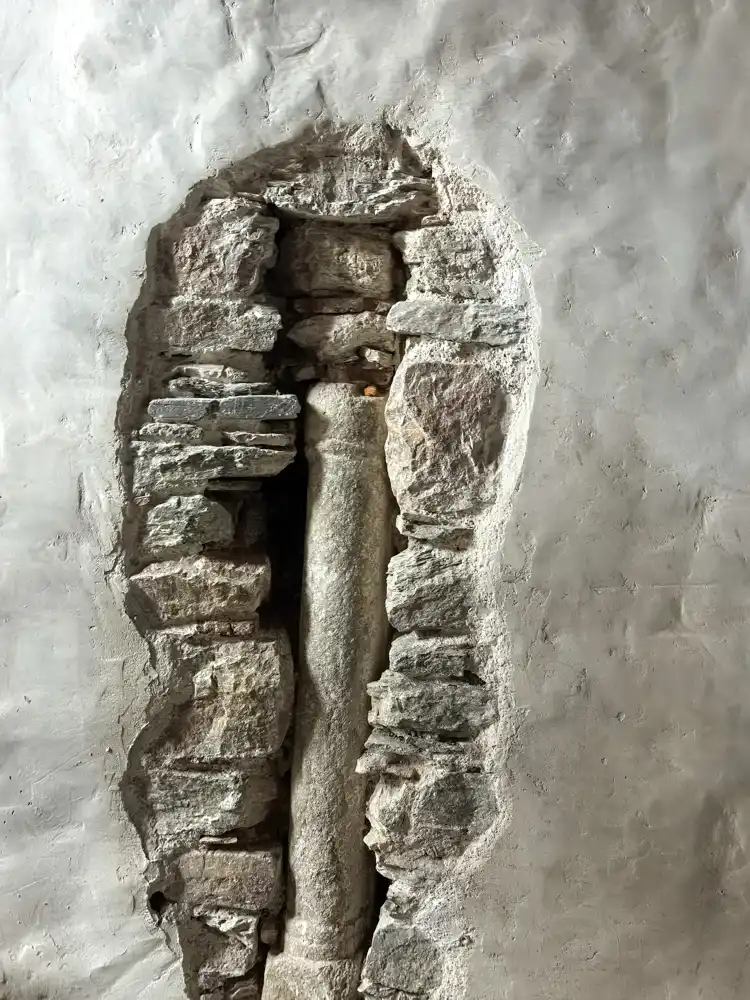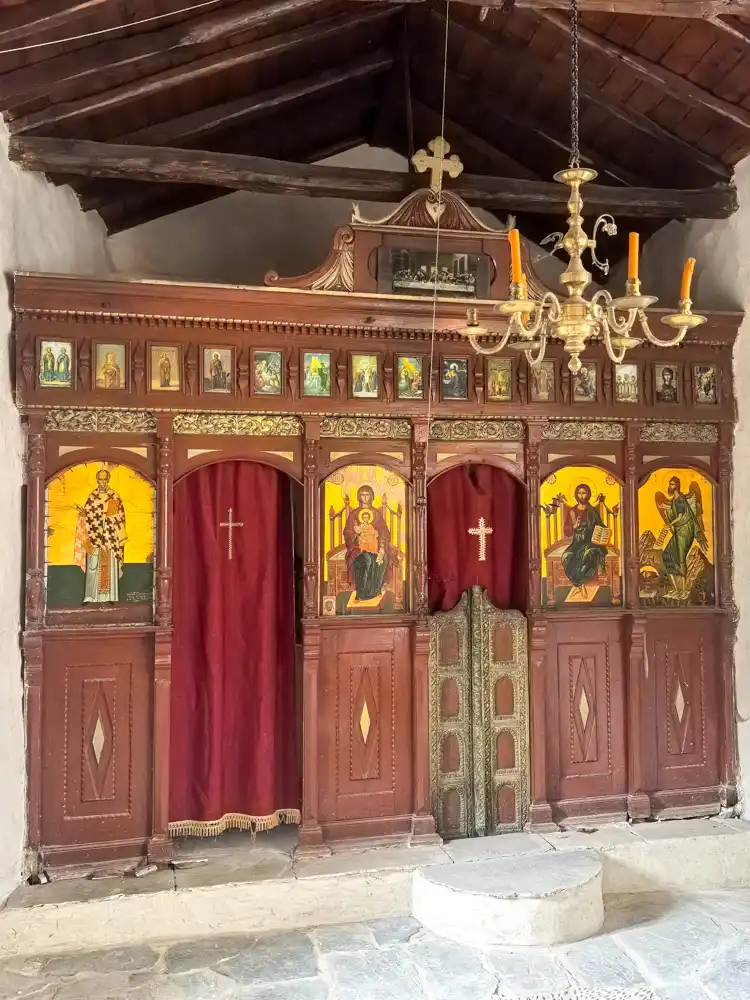
Discovering the lost city of Kastro on Skiathos isn’t just a trip. It’s an escape—centuries back in time to an era when the sea wasn’t a romantic backdrop, but a death sentence. Based on my personal experience, if you decide to come here, don’t expect a polished tourist museum. You’ll find raw history and nature at the edge of the world.
7.9 km. 390 m elevation gain. “There? That’ll be 60 euros. Double that to get back,” the taxi driver tries to discourage us. One look at him and you know he doesn’t care about your answer. The bus doesn’t go there. It never has. And even if it did, it would probably be too ashamed to try. We decided to discover Kastro our own way—through dust, sweat, and steep switchbacks.
Pirates: When the Aegean wasn’t blue, but dangerous
In the 14th century, pirates weren’t an exotic legend; they were a daily threat. Saracen and Ottoman raiders arrived silently and took everything. “The sea feeds us, but it also kills us,” they used to say on Skiathos back then.
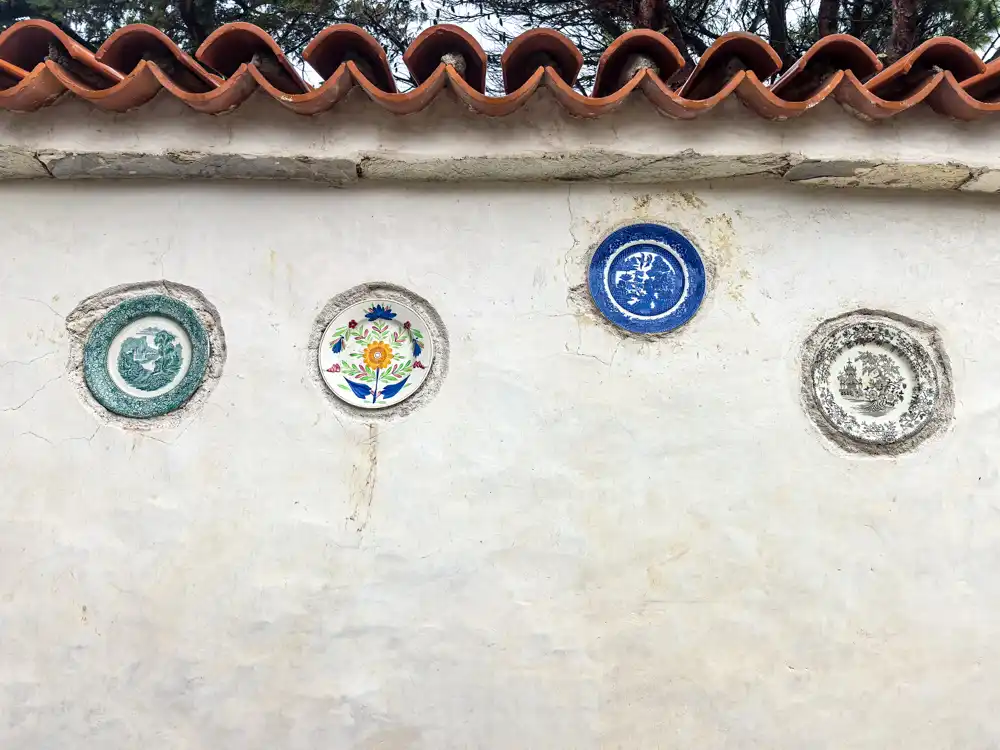
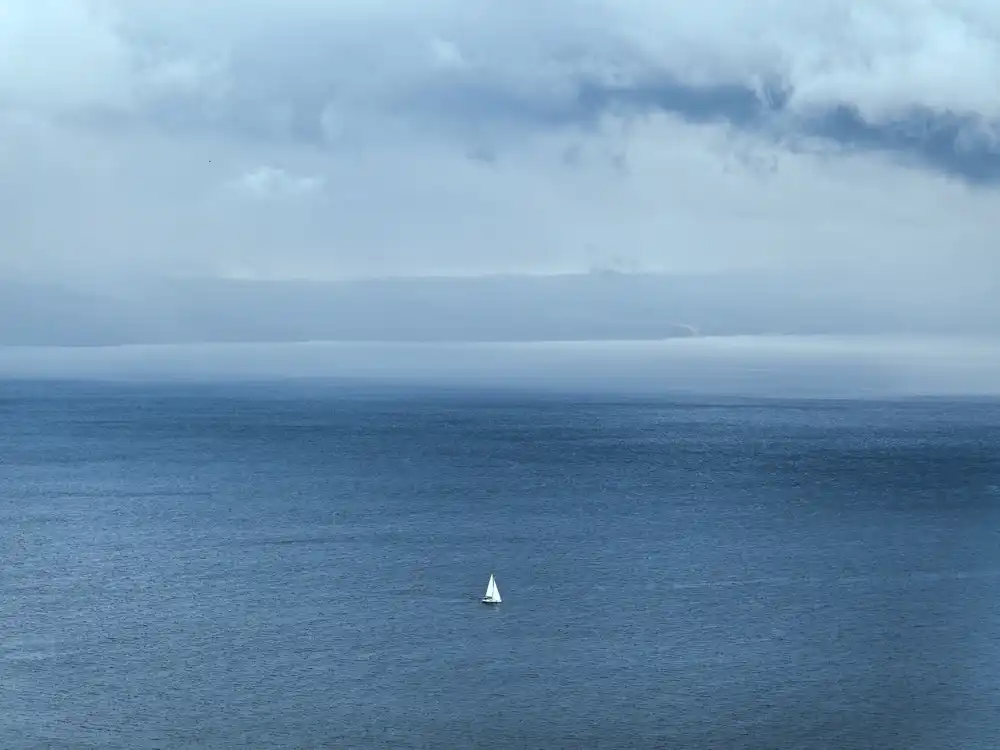
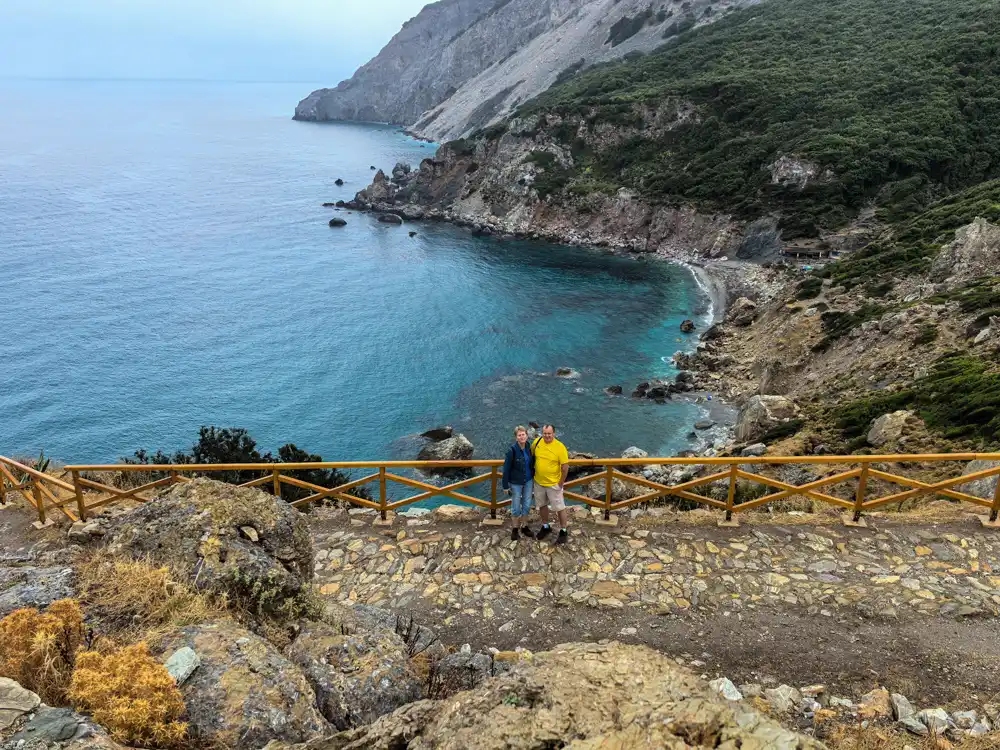
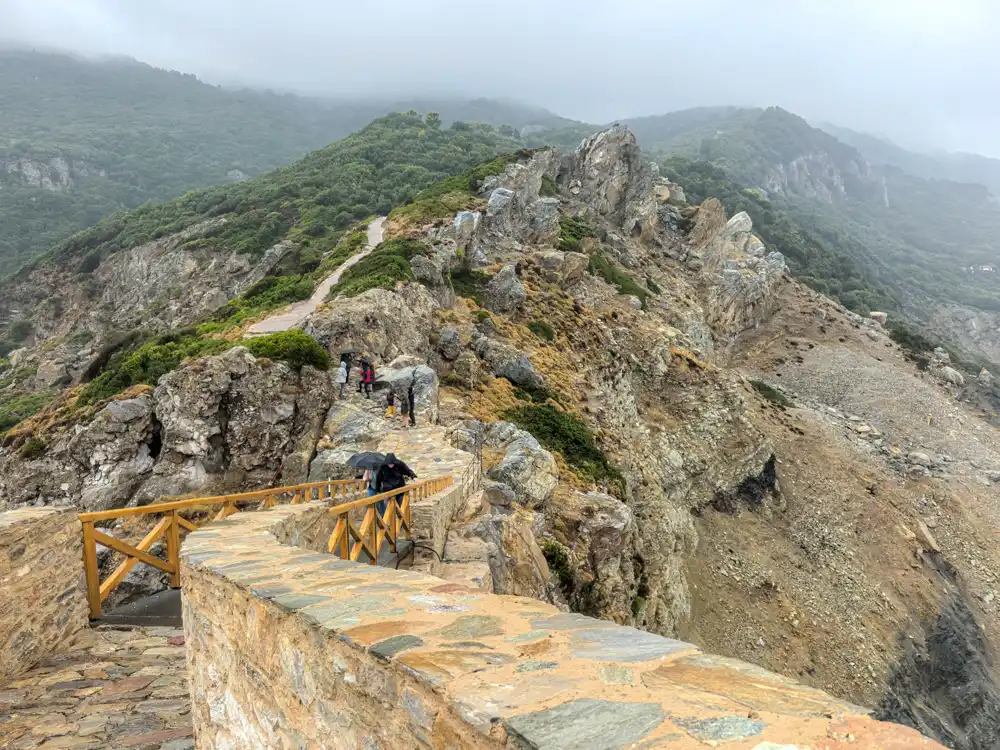
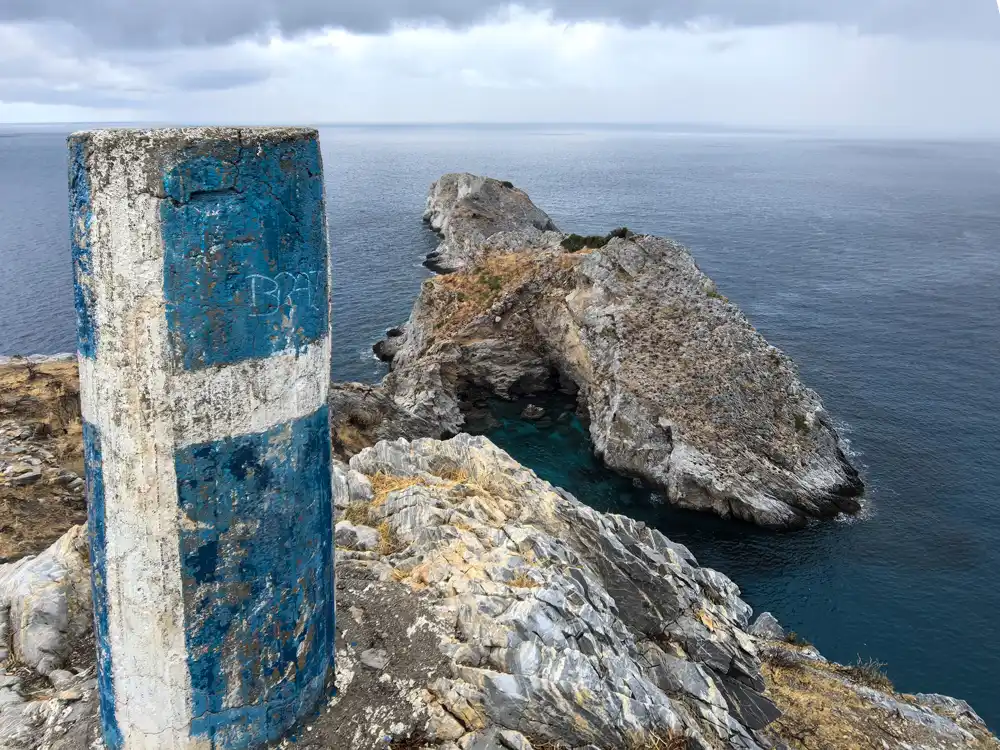
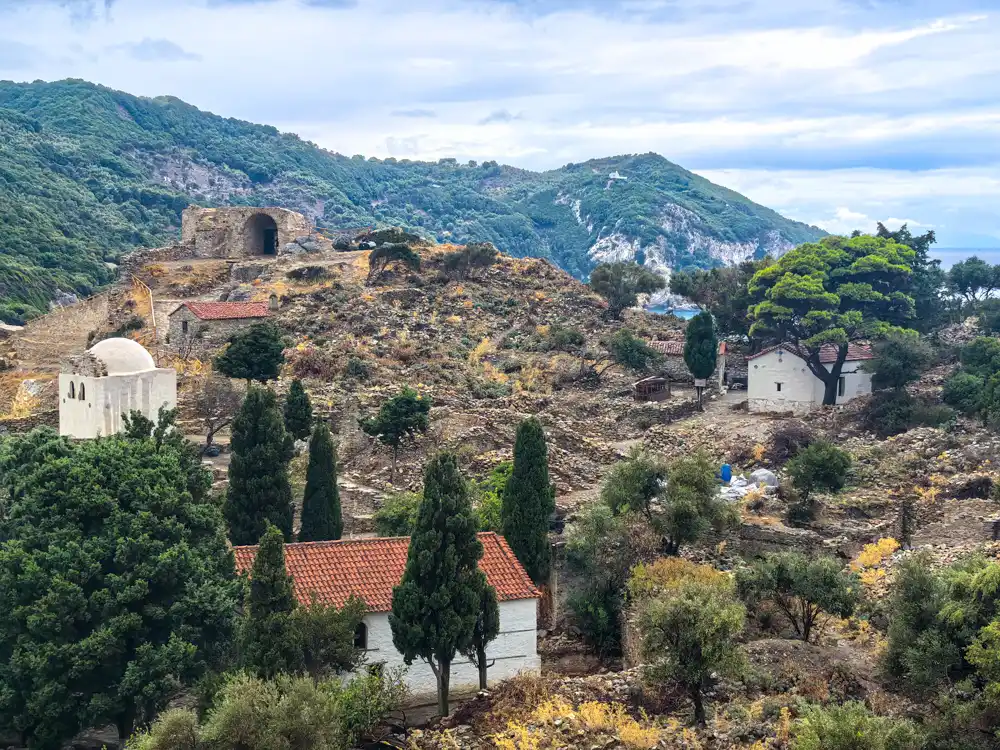
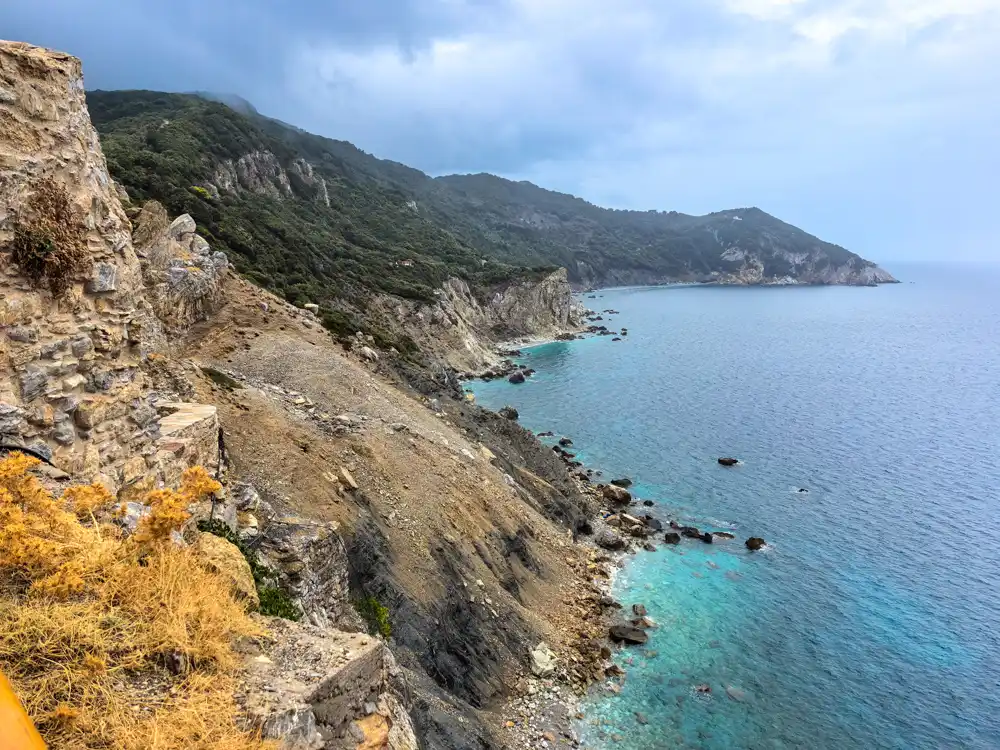
The residents took a radical step—they abandoned the coast. They took their stones, their icons, and their fear, and built a new city where pirates were afraid to anchor. On a sheer cliff. Kastro was founded around 1360 as a natural fortress with a single entrance via a drawbridge. At its peak, thousands of people lived here in 500 houses, along with twenty churches—because when you fear for your life every night, you pray often.
Jozef, switchbacks, and the sound of a dying engine
It all started the day before at the airport, at the iconic Plane Spotting viewpoint. Who would miss a jet takeoff just 30 meters behind the turbines? Peter’s cap flew off, a few brave souls were blown to the ground, and in that roar, we suddenly heard Slovak.
“We have a car, but where do you go with it on this tiny island?” Jozef asked. “Go to Lost City of Kastro,” I seized the moment. A day later, we were sitting in his car. 18% gradients, roads you sense more than see. An engine that sounded like a prayer and wheels that spun occasionally out of pure defiance. When we finally stopped at a narrow break in the road, Jozef looked at the precipice and simply said: “Well, they didn’t show us this in the guidebook.”
The Hiking Trail: A path even pirates would hate
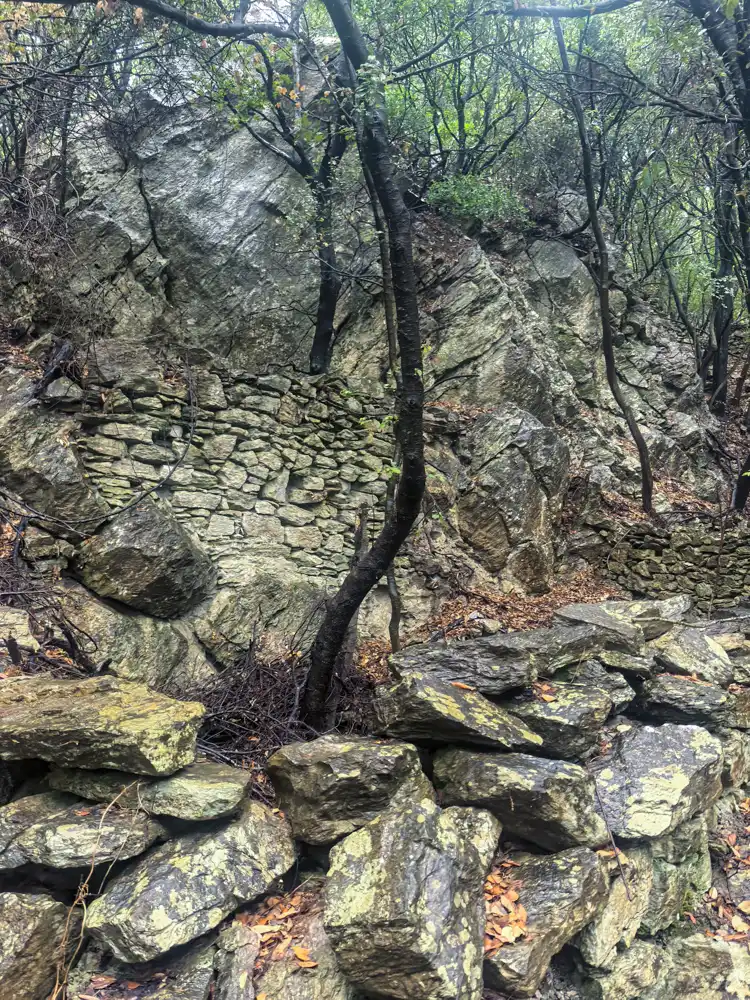
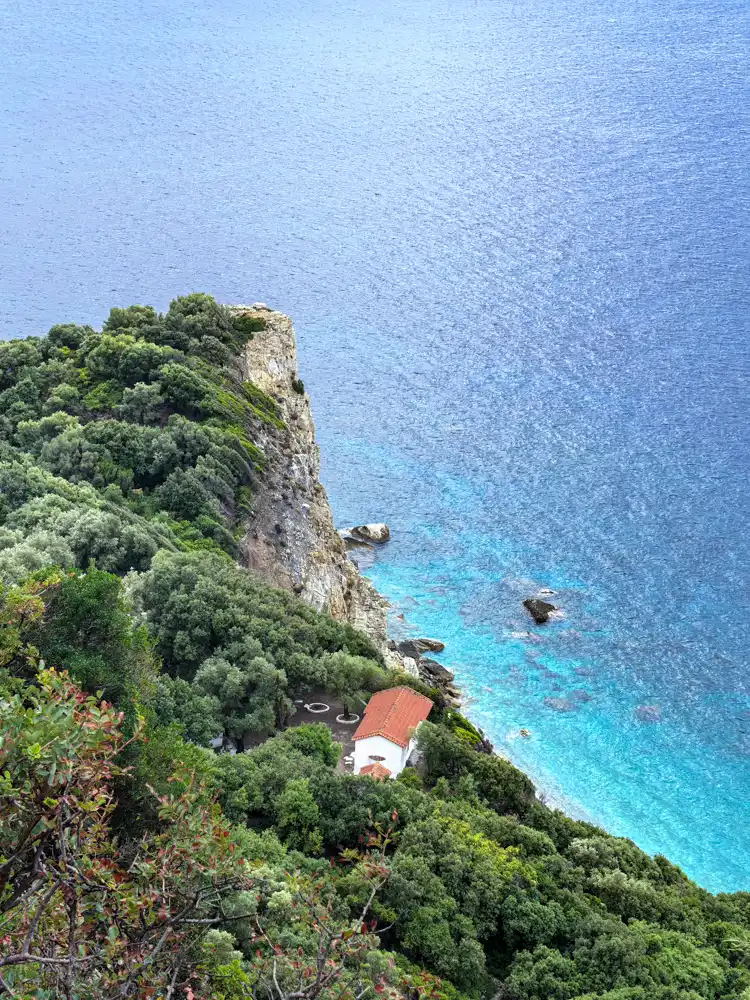
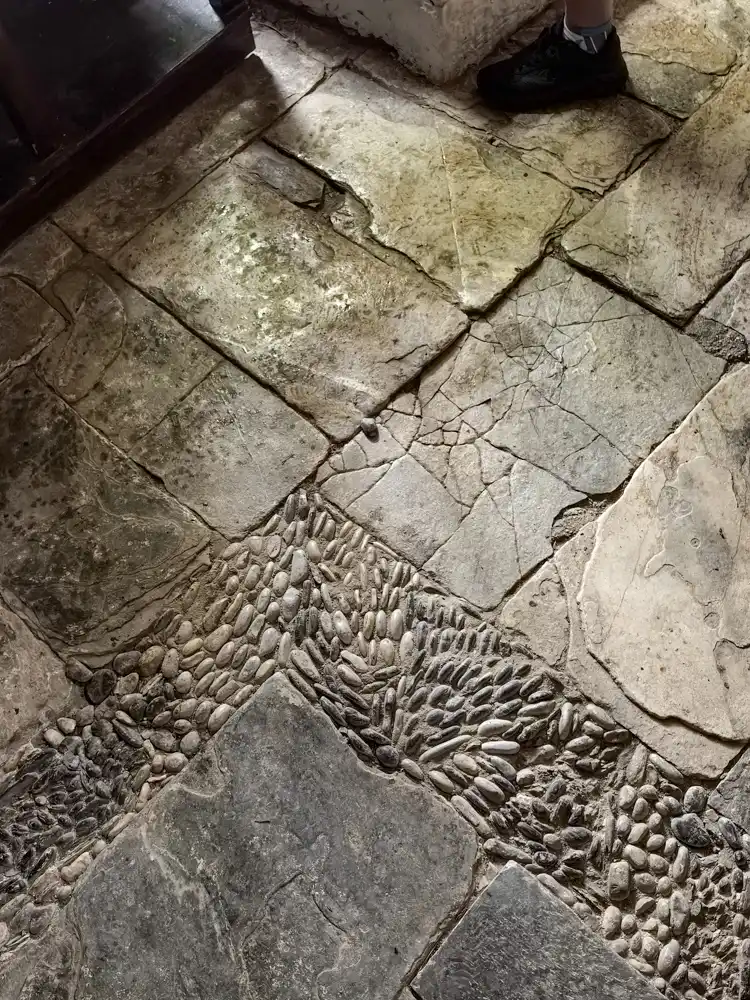
We reached Kastro by combining the ST6 and ST8 trails. “Is this actually a good idea?” Peter asked somewhere among the olive trees as the sky began to darken ominously. The path leads through old vineyards and chapels that only look abandoned at first glance.
We entered the ghost town via the drawbridge. A group of boat tourists with a guide passed us. It’s thanks to him that we sound so smart now.
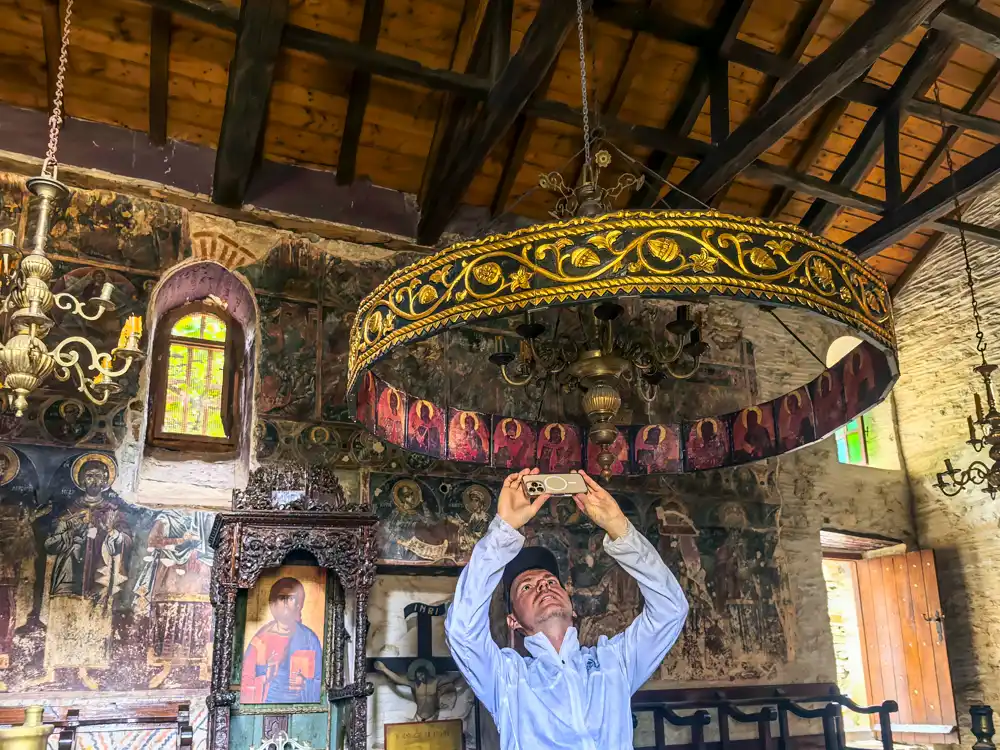
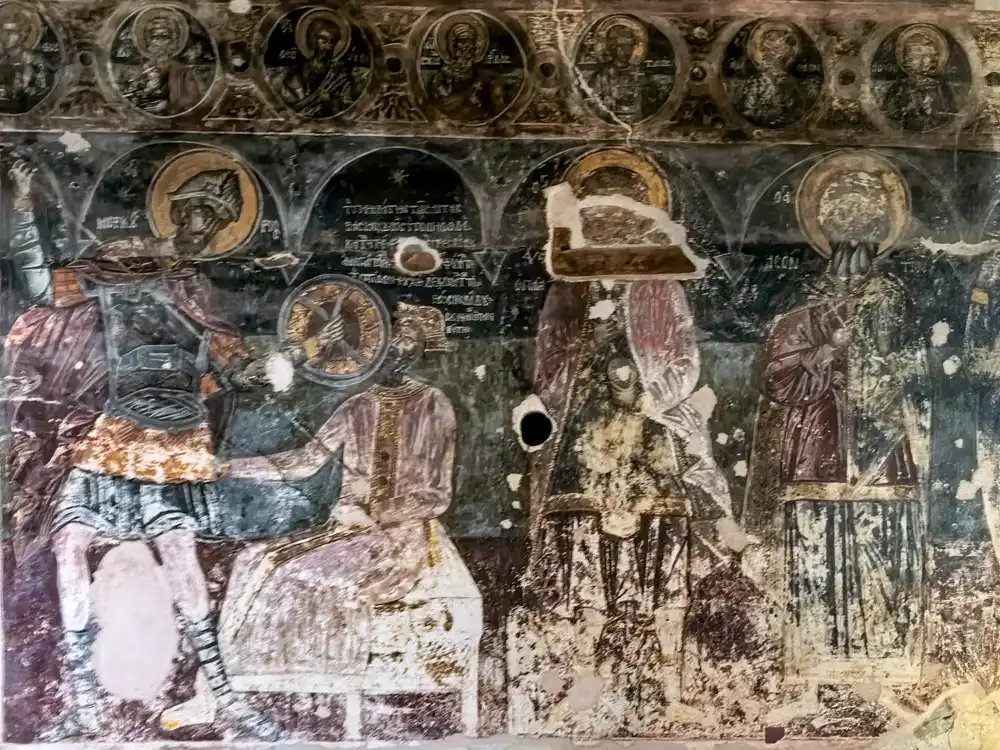
When you finally see Kastro, you don’t scream. You just slow down. Ruined houses, remnants of temples, and walls without roofs. “This is what waiting for the enemy must have felt like,” Jozef said quietly as a heavy downpour began. We stayed trapped in one of the chapels. Outside, it poured, the sea roared below the cliff, and we uncovered the secrets of a place that people left without a fight 200 years ago—simply because the fear had finally moved out.
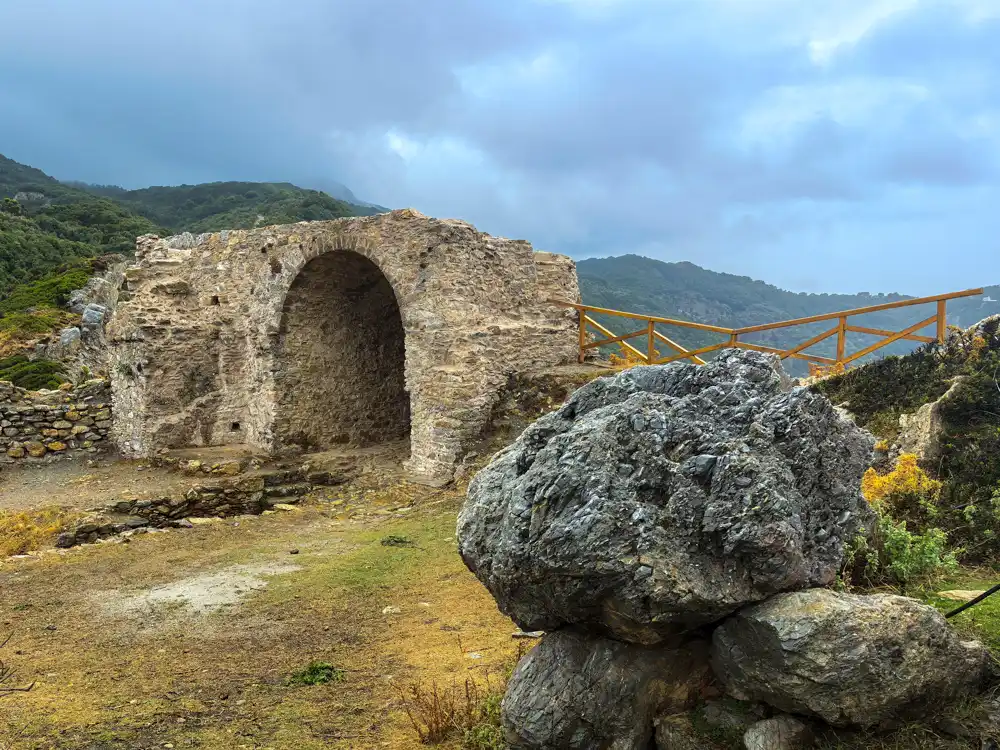
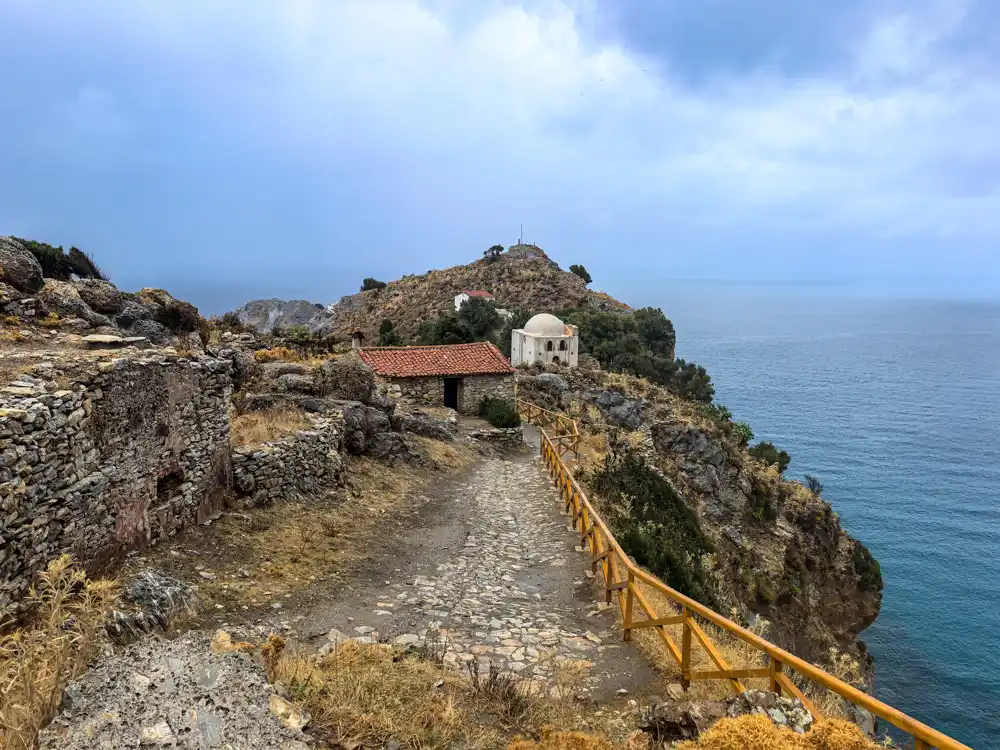
Why did Kastro disappear?
Around 1830, when modern Greece was born and the pirates vanished, the people returned to the sea. Kastro lost its purpose, and a city without purpose doesn’t survive long. Since then, there are only ruins. As we descended the cliff, soaked to the bone, I felt like the city was watching us. Not reproachfully, but curiously, wondering: “Can you handle the 300-meter climb back to the car?” They say Lost City of Kastro remembers everyone who came honestly, on their own two feet.
Lalaria Beach and Tips for discovering Kastro
If you don’t want to deal with blisters and hiking, the ideal way is to rent a boat in the harbor. They run regularly. The advantage of a boat is that you can also visit the famous Lalaria Beach, which is otherwise inaccessible. No need to haggle over the price—all the taxi drivers and boatmen have agreed on a fixed rate.