
The Tatras have a special way of attracting people. But when we keep looking at them from the same familiar places, it is easy to assume we already know them. In reality, all it takes is crossing the border, turning off the main road and suddenly finding yourself in a completely different world. Wooden villages, abandoned railway lines, peat bogs, old castles and landscapes that still seem to move at their own pace.
This is exactly what the Around the Tatras Trail (Szlak wokół Tatr) offers. It is an extensive network of cycling routes gradually connecting the Polish Podhale region with Slovakia’s Orava, Liptov and Spiš regions.
At the end of October 2026, we joined a three-day study and information visit. The main focus was the results of the project’s fourth phase, but presentations and maps were only the beginning. We explored several newly developed sections by bike and discovered other places at a slower pace, with plenty of time to stop along the way.
And quite often, those stops turned out to be the most memorable part of the journey.
Nowy Targ: Old printing presses and new cycling routes
Our visit began in Nowy Targ, a natural centre of the Polish Podhale region and one of the key partners in the Around the Tatras (Szlak wokół Tatr) project.
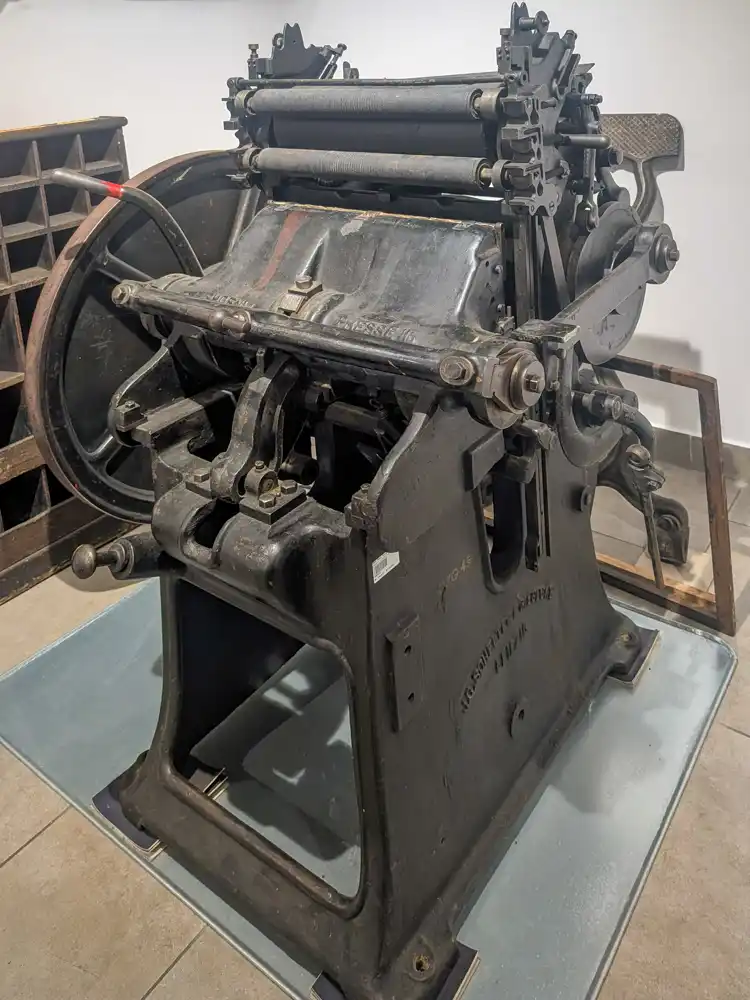
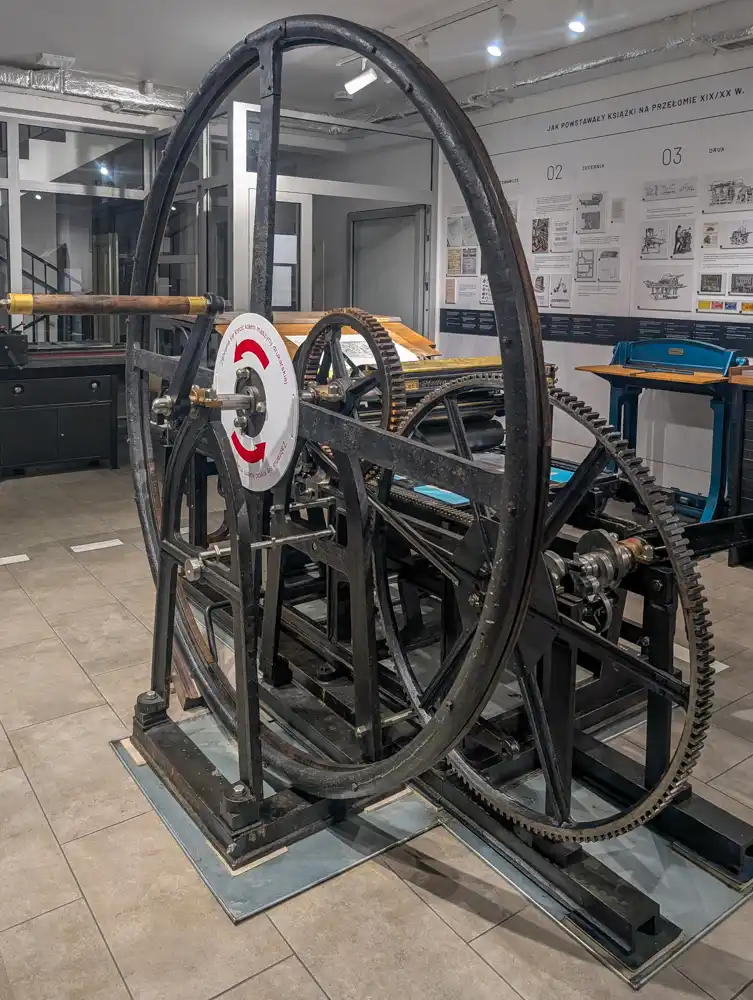

Alongside the project presentation, we visited the local Printing Museum. To be honest, I did not expect much from it. But then I found myself standing in front of one of its oldest working printing presses, simply taking it all in.
A massive construction, metal components, gears and a mechanism in which every single part has its purpose. Technology that once helped ideas travel from one person’s mind to thousands of others. Today, a smartphone can do the same in seconds, although the results do not always suggest that humanity has necessarily made progress.
There is something fascinating about these old printing machines. They remind us of a time when information had a physical form, the smell of ink and the weight of paper. And when spreading an idea required a fair amount of hard work.
A fascinating start to a journey whose wider purpose is also to connect people and places.
Jabłonka: From the market square to Chyżne by bike
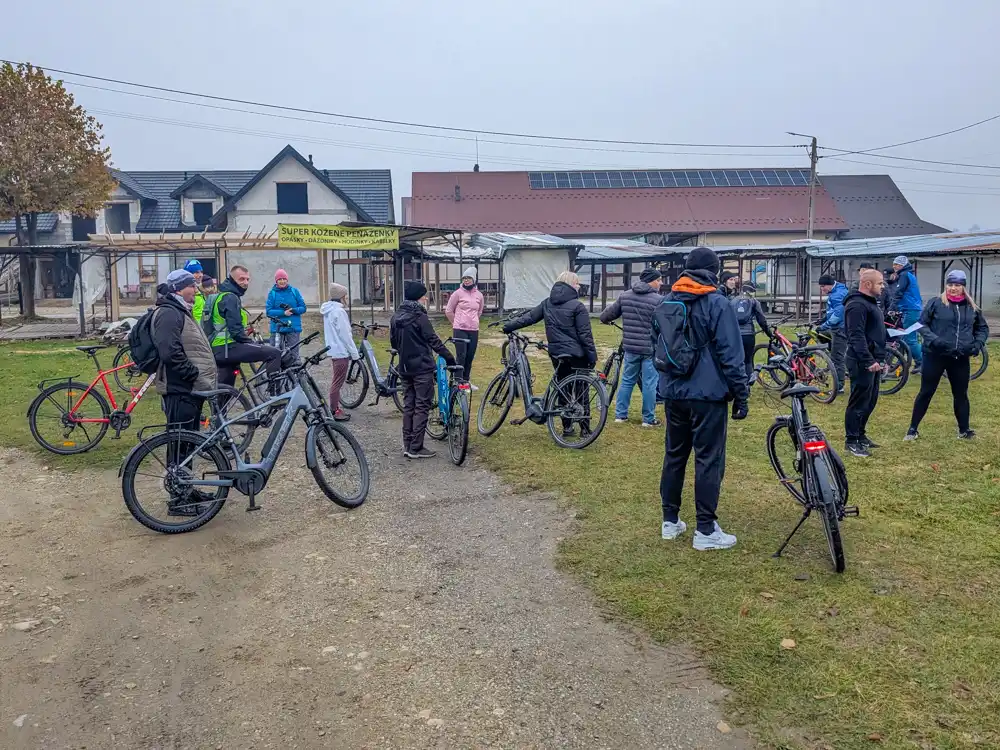
It was my first visit to Jabłonka. Fortunately, we arrived outside market hours, so instead of crowds and market stalls, we found bicycles waiting for us. They had been arranged by the Polish organisers from Nowy Targ.
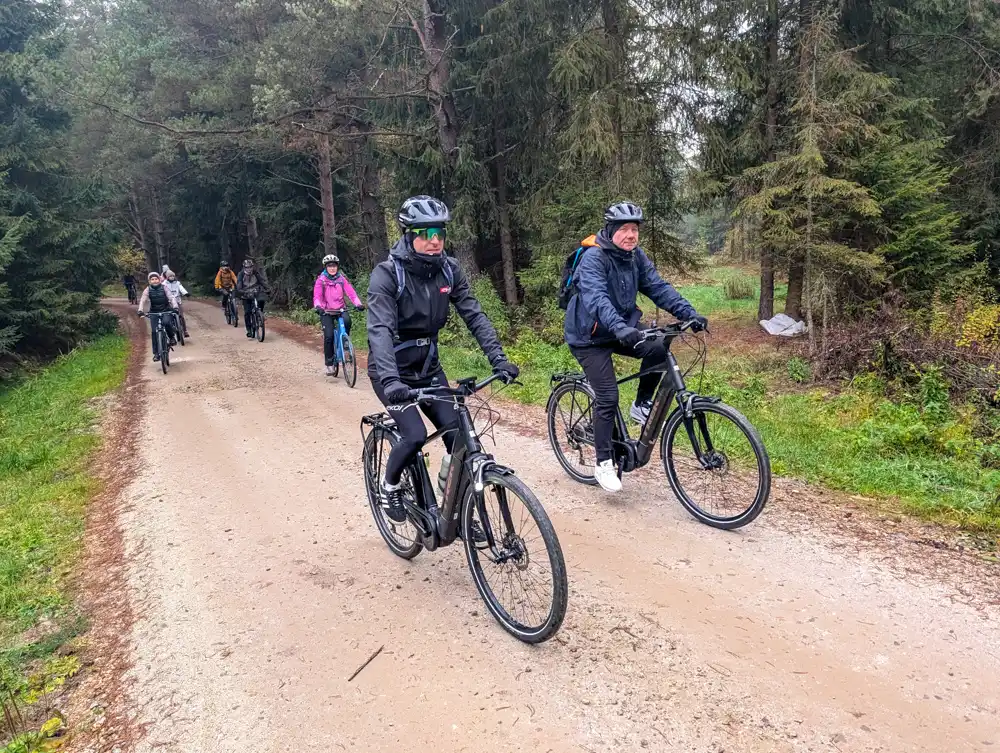
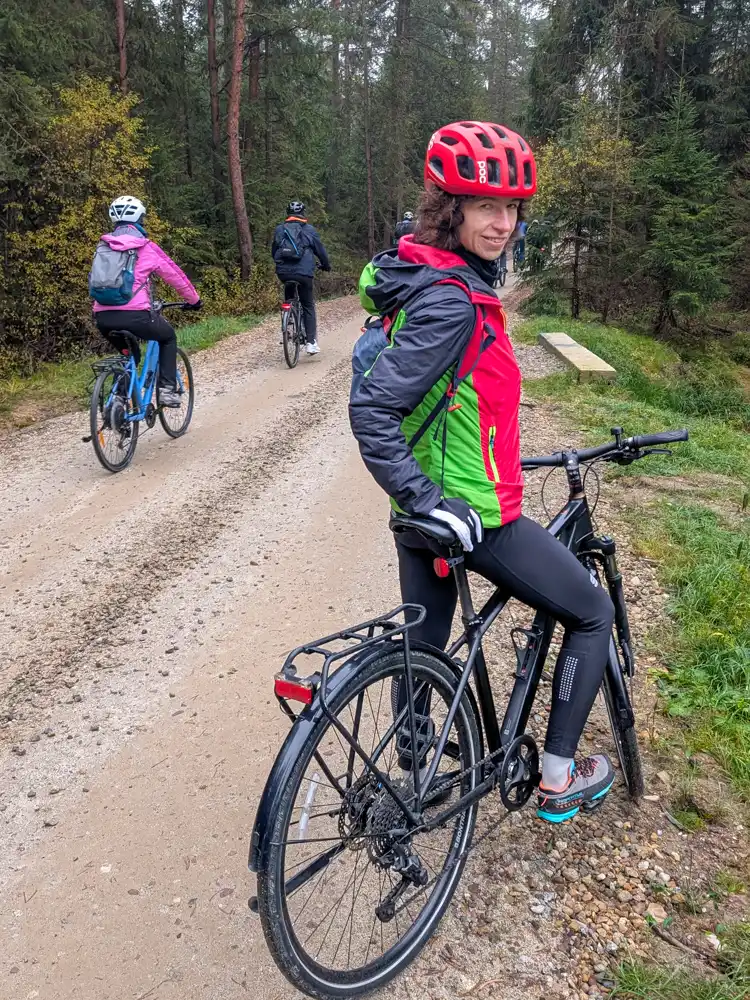
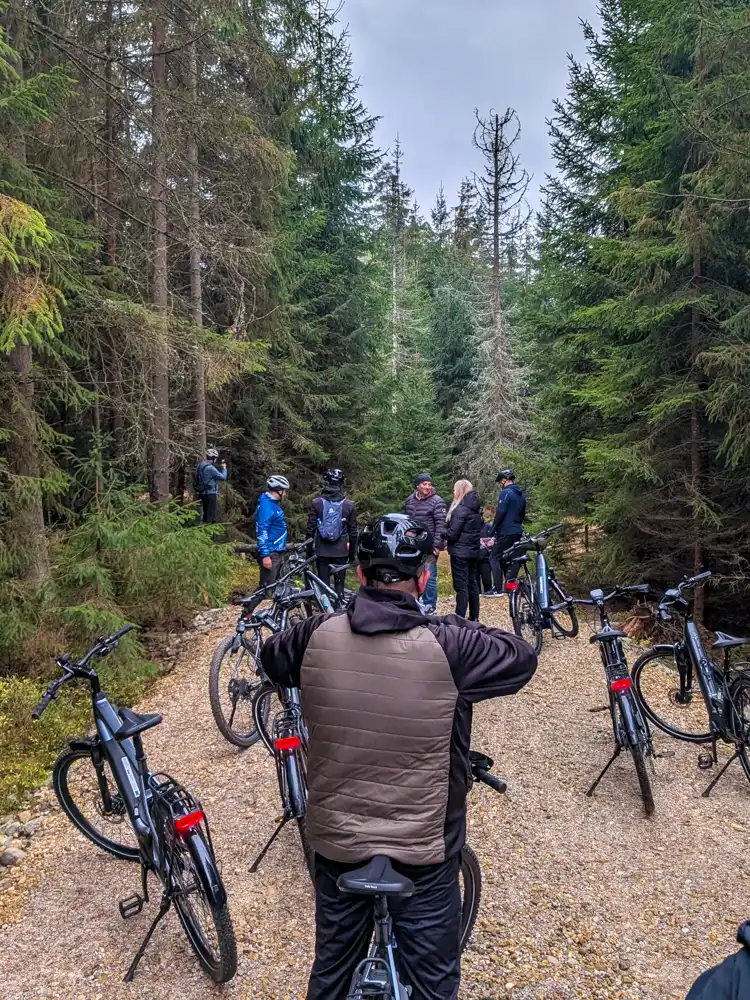
We set off towards Chyżne. A superb gravel road awaited us, winding pleasantly through the open Orava countryside. No chasing kilometres, no sharing narrow roads with cars. Just a bicycle, the landscape and a route that naturally invites you to keep going.
This is exactly the kind of cycling I enjoy. You do not have to be a performance cyclist, own an expensive bike or wear specialist gear. All you need is the desire to explore and a little curiosity.
The new connection around Jabłonka also opens up further opportunities to discover the Polish part of Orava, an area that has remained somewhat outside the main tourist spotlight.
But our visit did not end with cycling. Polish hospitality has its own rules, and even an organised study visit cannot escape them.
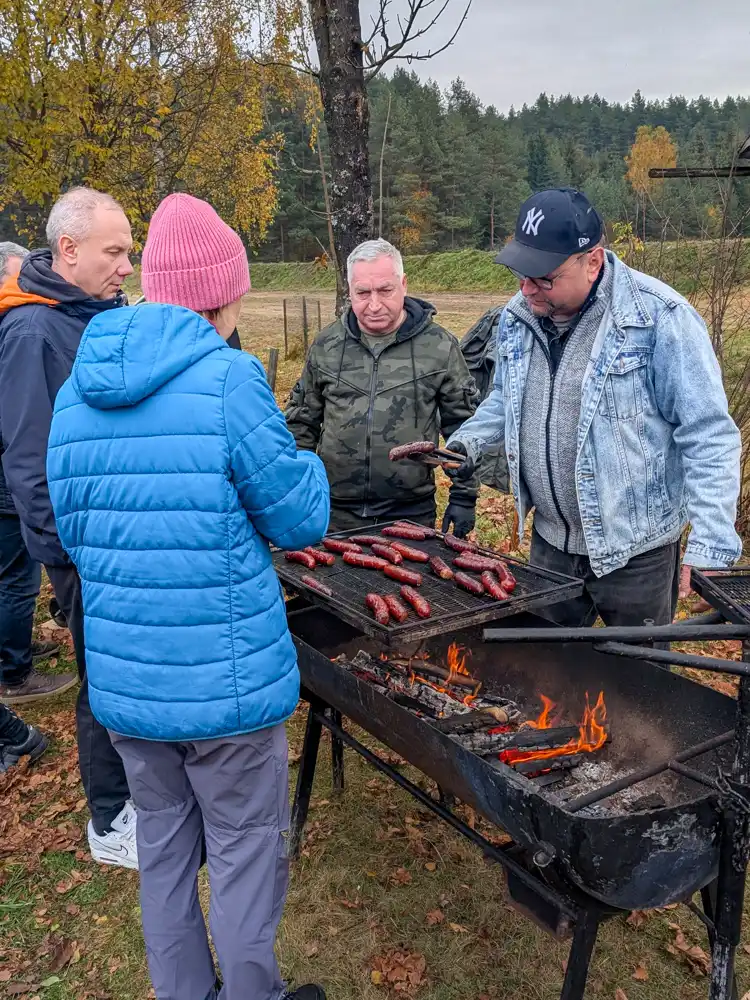
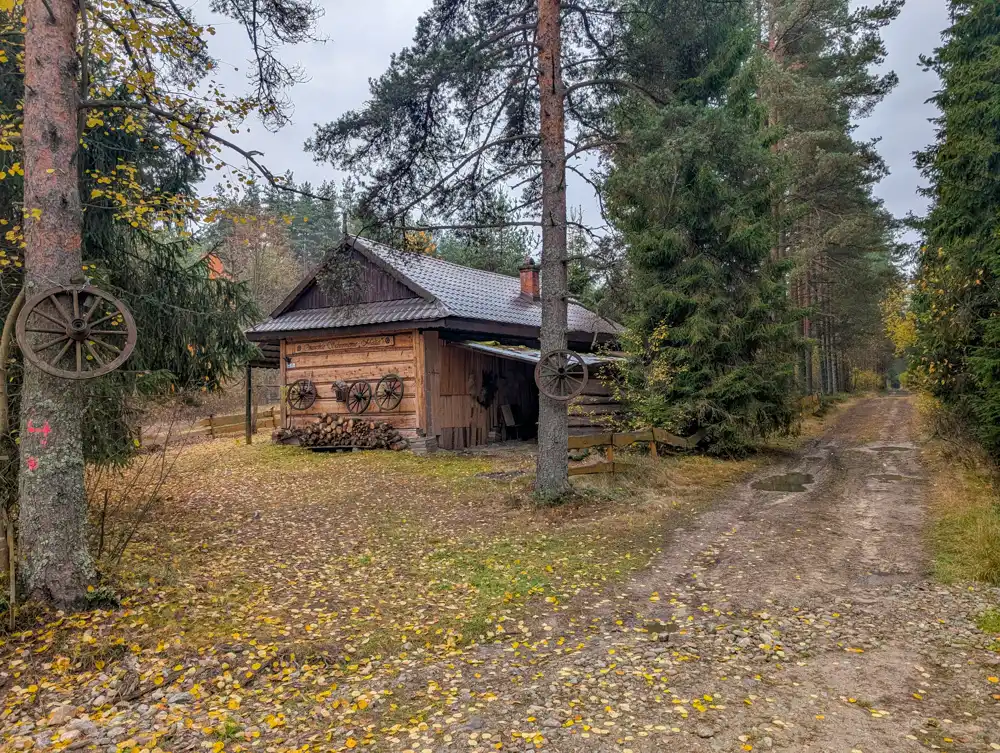
We ended up at a hunting lodge. The table soon filled with roasted sausages, Polish herbata (tea) and Slovak rum, which helped ensure international cooperation in the field of liquid refreshments as well.
This is what cycling tourism should be about. You set off because of the route, but you return home with flavours, encounters and stories.
Chochołów: The peat bogs we want to visit again
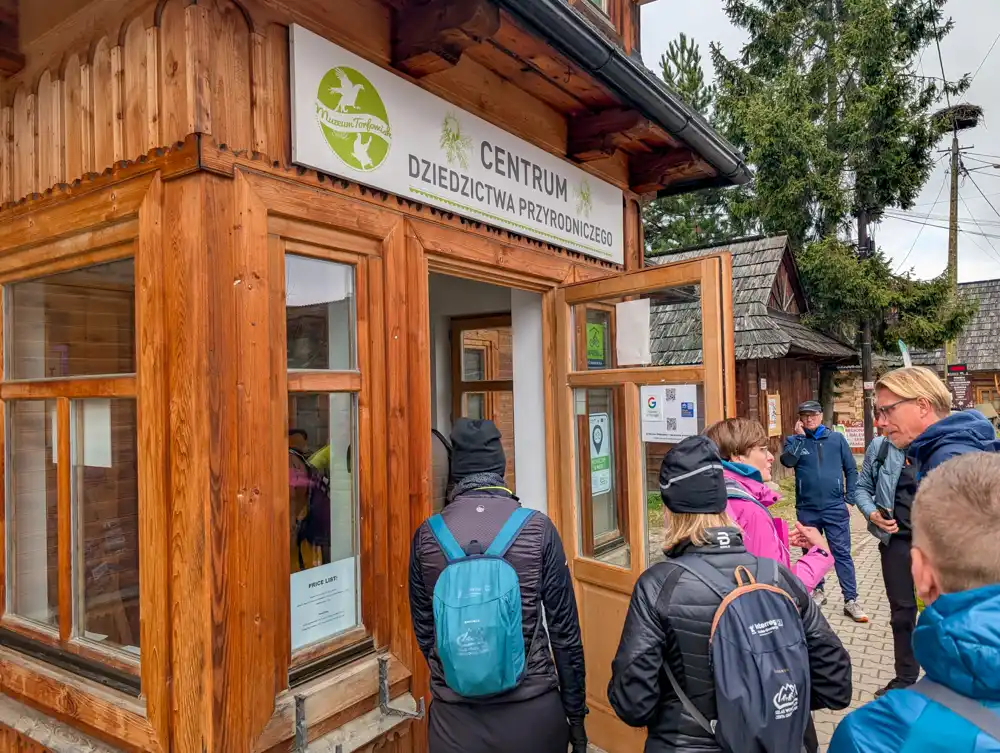
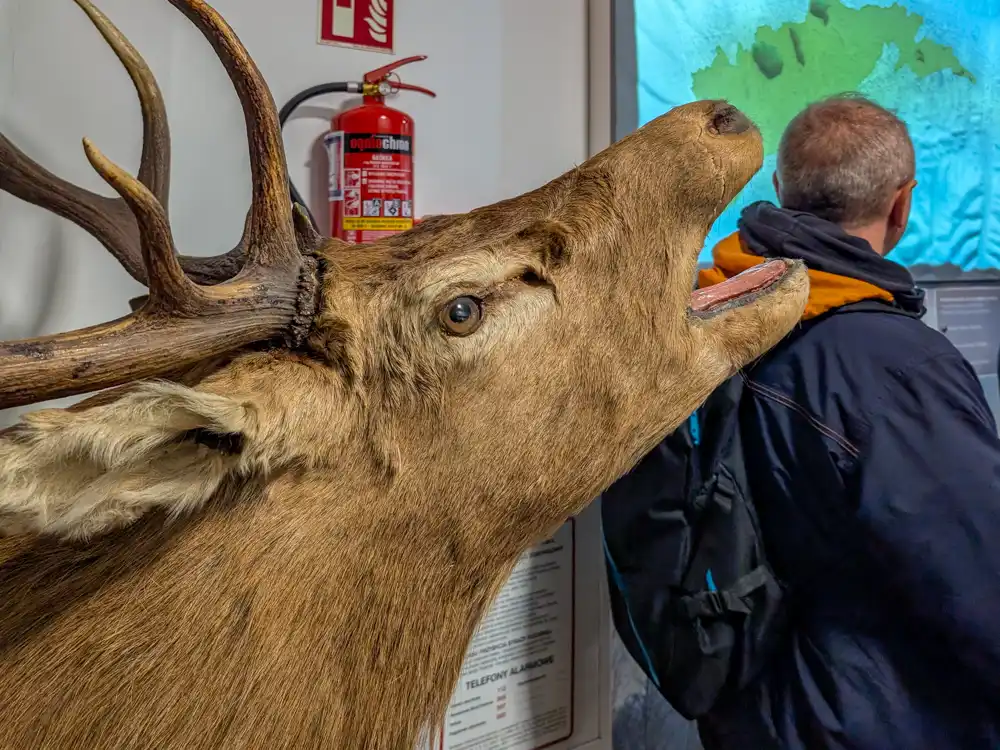
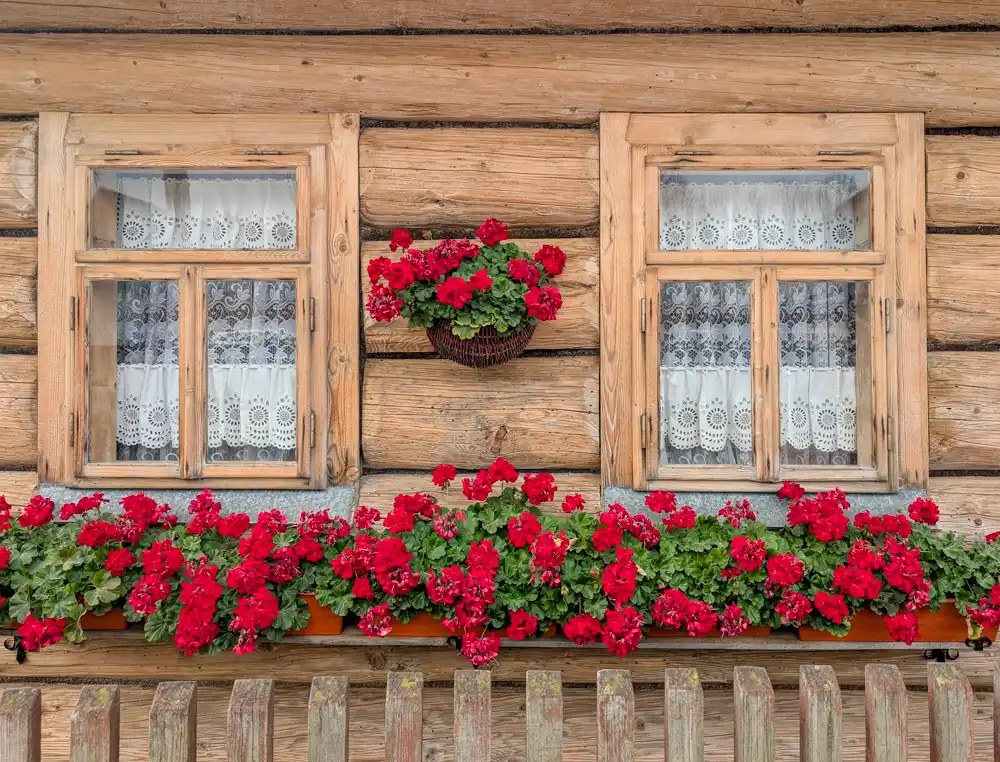
If I had to choose one place from the Polish part of our visit that made the strongest impression on me, it would undoubtedly be the area around Chochołów.
The village itself is remarkable. Traditional wooden houses, distinctive architecture and an atmosphere quite different from that of an ordinary tourist resort. But the surrounding landscape impressed me even more.
The peat bogs offer a completely different world from the one we usually associate with traditional Tatra excursions. Quiet, damp and, in places, almost mysterious. A landscape that needs neither major attractions nor elaborate tourist facilities to make an impression.
It is the kind of place that reminds you that nature does not have to be arranged according to human expectations to be beautiful.
The Polish section of the Around the Tatras Trail has one particularly interesting advantage: large parts of it follow the former railway line. Instead of demanding mountain climbs, it offers comfortable connections suitable for families with children, recreational cyclists and even people travelling by scooter.
And we are planning to return here next year on scooters. Some places simply deserve more than one visit.
Łapsze Niżne and Niedzica: The Polish Spiš region tourists have yet to discover
Another pleasant surprise was Łapsze Niżne and Niedzica. I have to admit that I knew this part of Polish Spiš only superficially. And I suspect most Slovak visitors are in a similar position.
We have somehow grown accustomed to thinking that Poland begins beyond the Tatras and that our exploration ends around Zakopane. Yet this is precisely where a region with enormous tourism potential can be found.
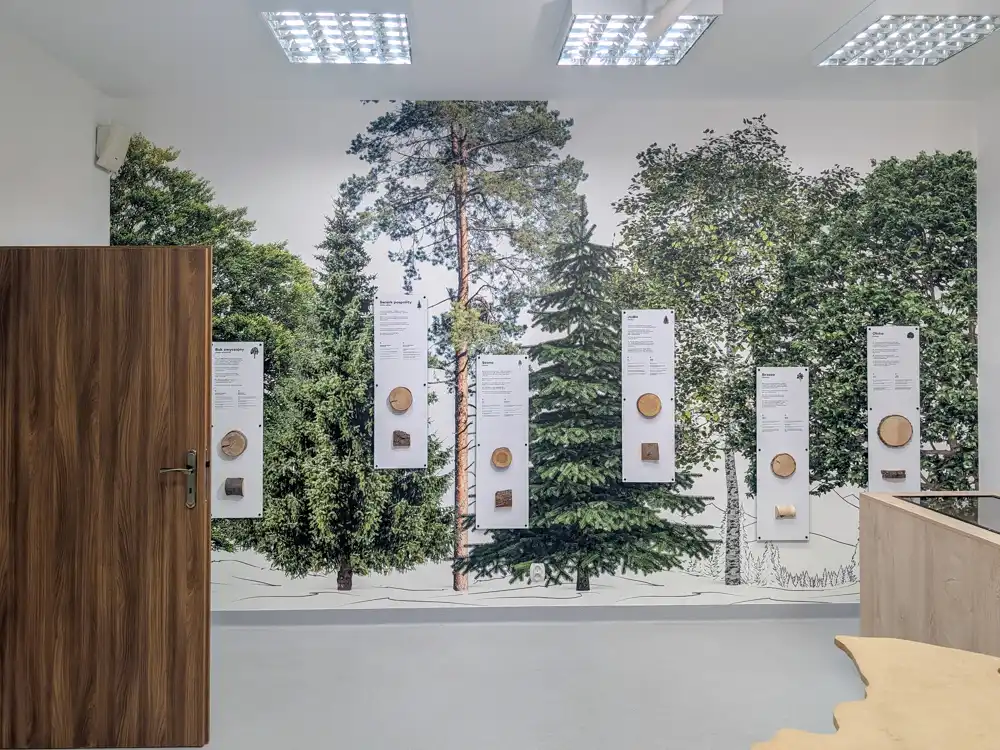
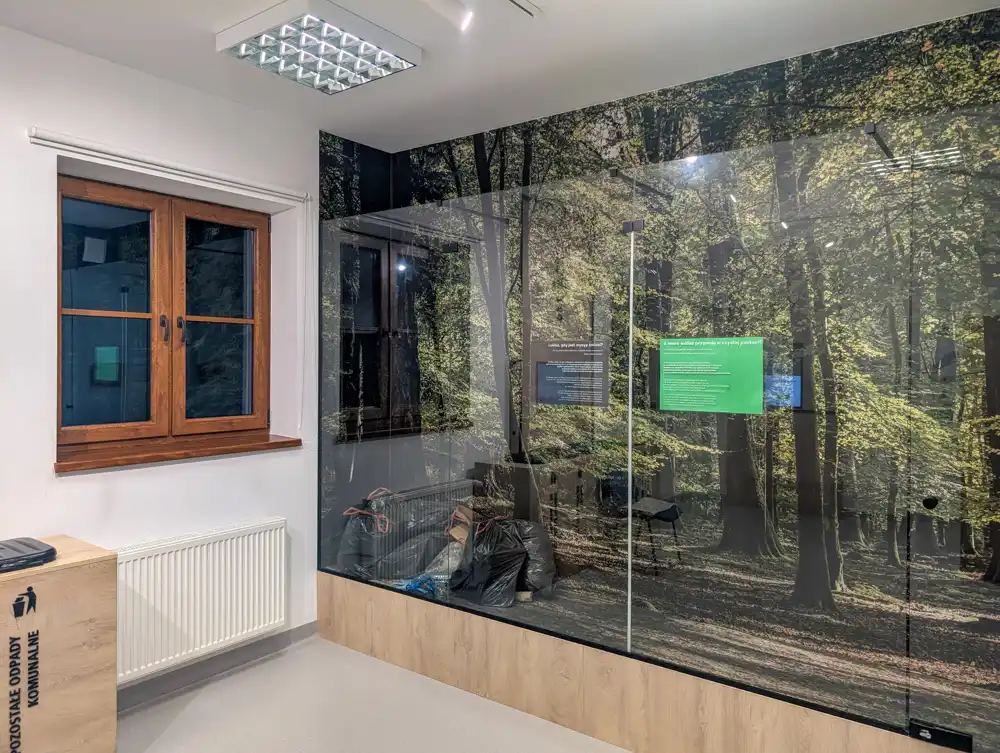
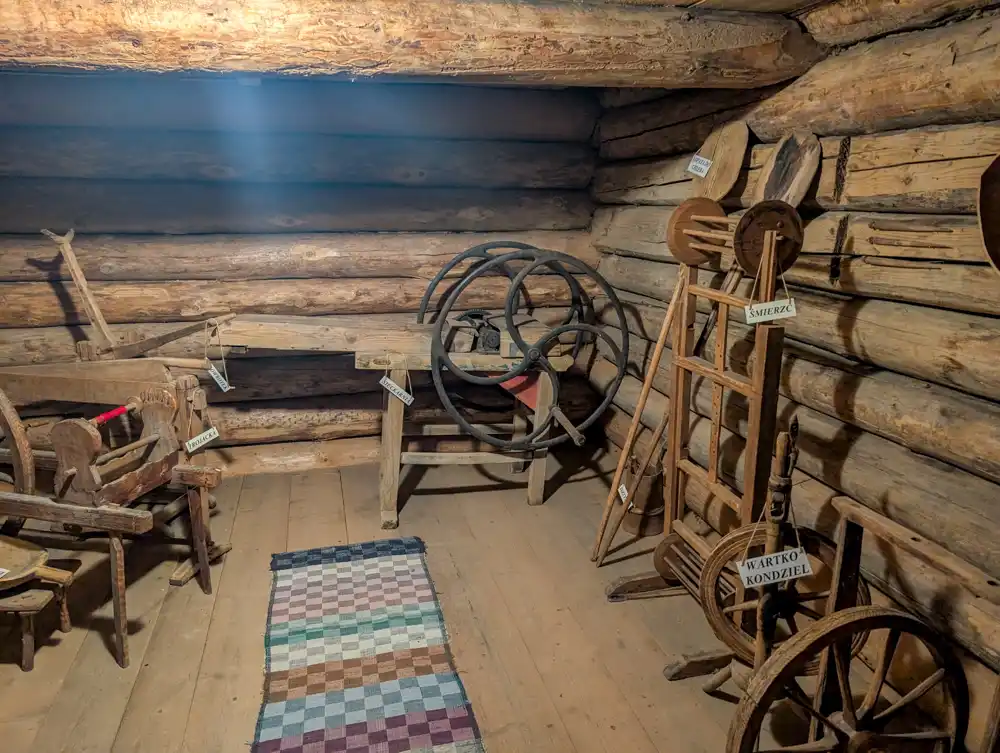
In Łapsze Niżne, we were particularly interested in the local surroundings, traditional buildings and the restored Folk House, which houses a natural history exhibition dedicated to the Spiš region. It is a good example of how a historic building can be given a new purpose while helping visitors discover the natural and cultural heritage of the area.
There is much more to explore here: traditional Spiš villages, historic landmarks, welcoming local people and, above all, Lake Czorsztyn.
The area around the lake has enormous potential for cycling tourism. The water, surrounding hills, the historic castles of Niedzica and Czorsztyn, and countless opportunities for outdoor activities create a combination that deserves far more attention from Slovak visitors.
What appealed to me most about Łapsze Niżne was the feeling that tourism here has not yet become a finished product wrapped in a glossy brochure. There is still room for discovery. And that is becoming increasingly rare.
Štrba and Važec: Fresh asphalt, a medieval settlement and a little uphill effort
Our Slovak programme began with a presentation by Štefan Bielko, who coordinates the project on the Slovak side of the border. It was an exceptionally clear and knowledgeable presentation. He spoke directly, knew the subject inside out and clearly understood the project not only through maps and figures, but also from the perspective of the people who will actually use the new routes.
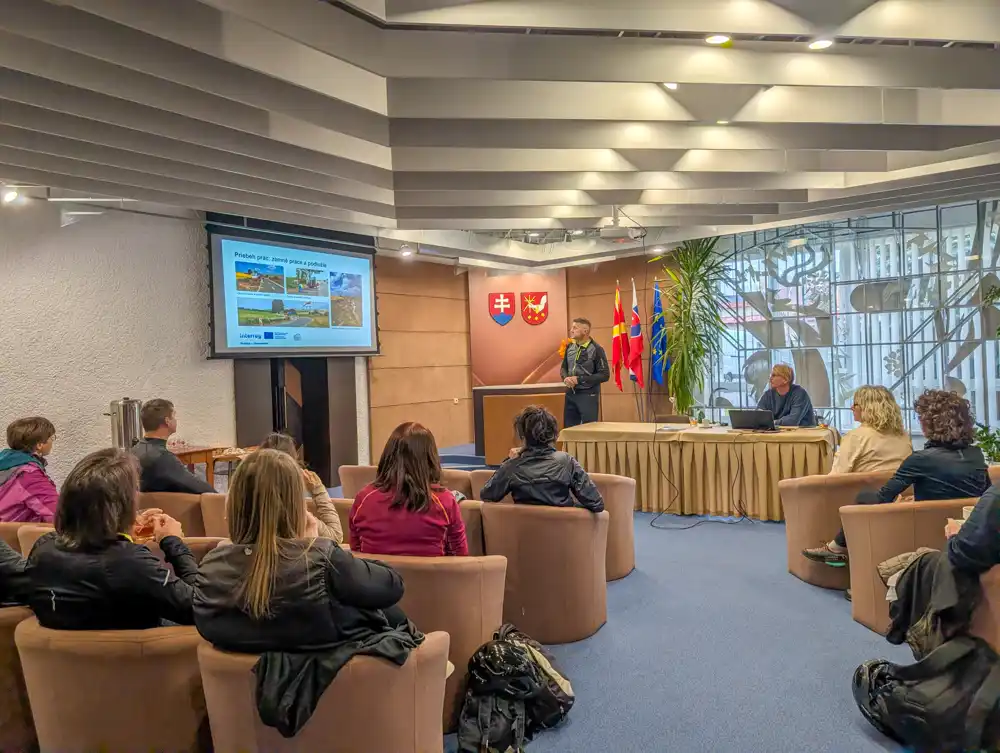
These are exactly the kind of people worth listening to. Incidentally, we are also preparing a separate interview with him.
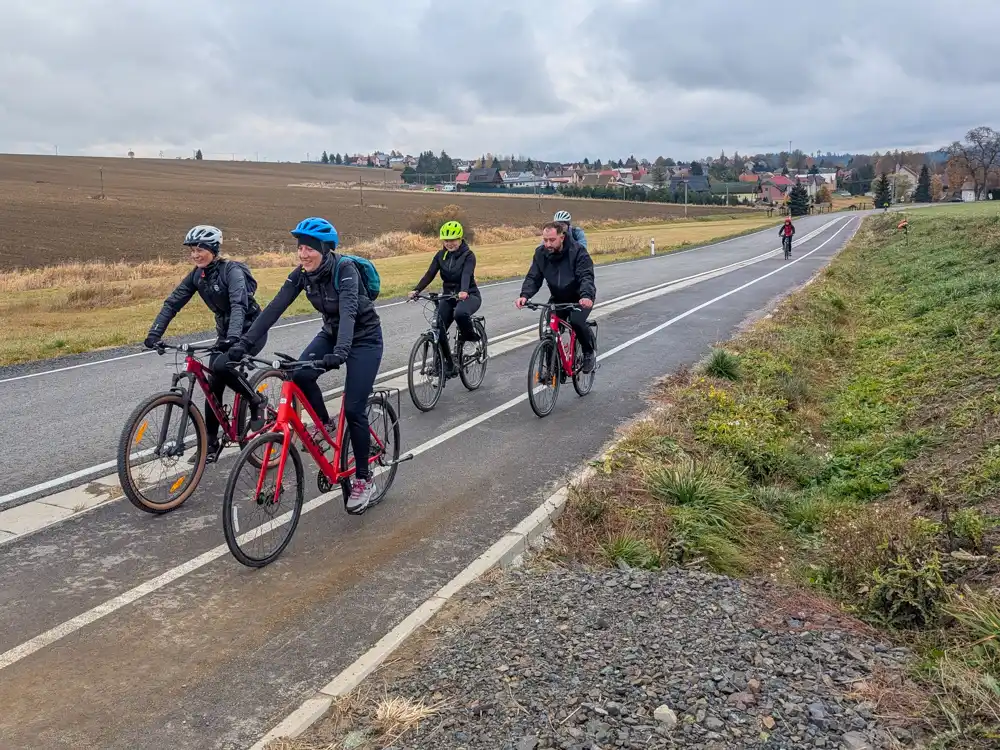
After the presentation, we swapped the meeting room for bicycles and set off along the new asphalt cycling route around Važec.
Anyone expecting an easy ride along a flat road was in for a surprise. Starting at the municipal office, we climbed all the way to the abandoned medieval settlement of Šoldov. From there, it was a pleasant downhill ride back.
Fresh asphalt, beautiful countryside and views that occasionally make you stop pedalling. It was one of those cycling experiences that remind you how a road you have never travelled before can become a destination in its own right.
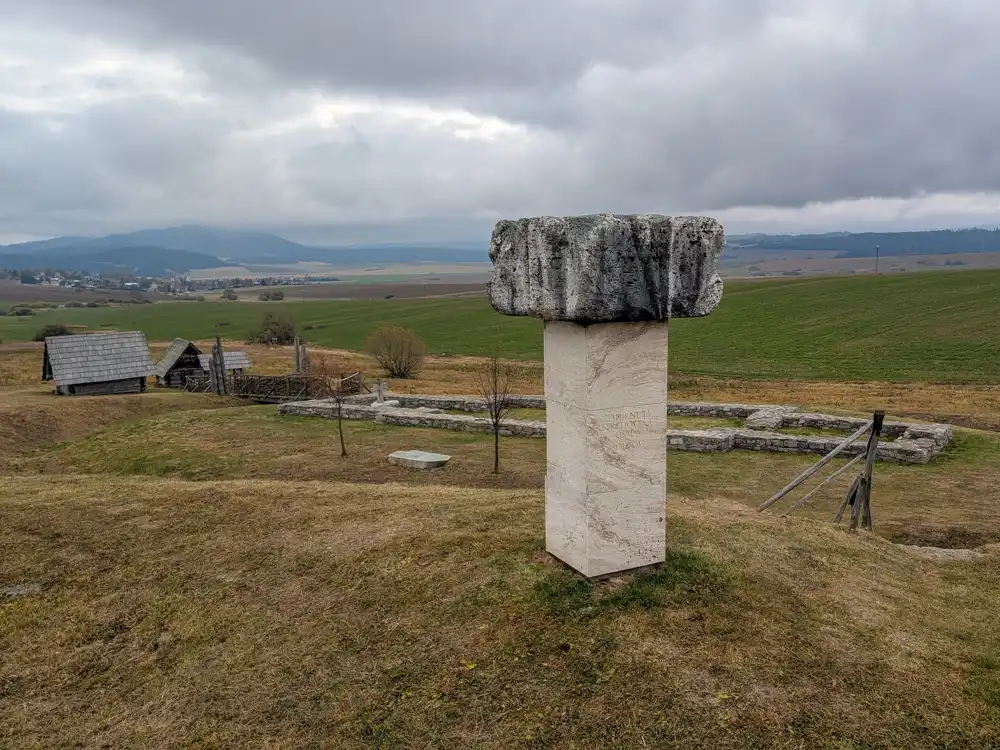
Šoldov is also worth a closer look. The remains of this medieval settlement remind us that stories were unfolding beneath the Tatras long before we started measuring the quality of our trips by the number of kilometres recorded in an app.
Veľká Lomnica: Finally, a safer connection between Kežmarok and Poprad
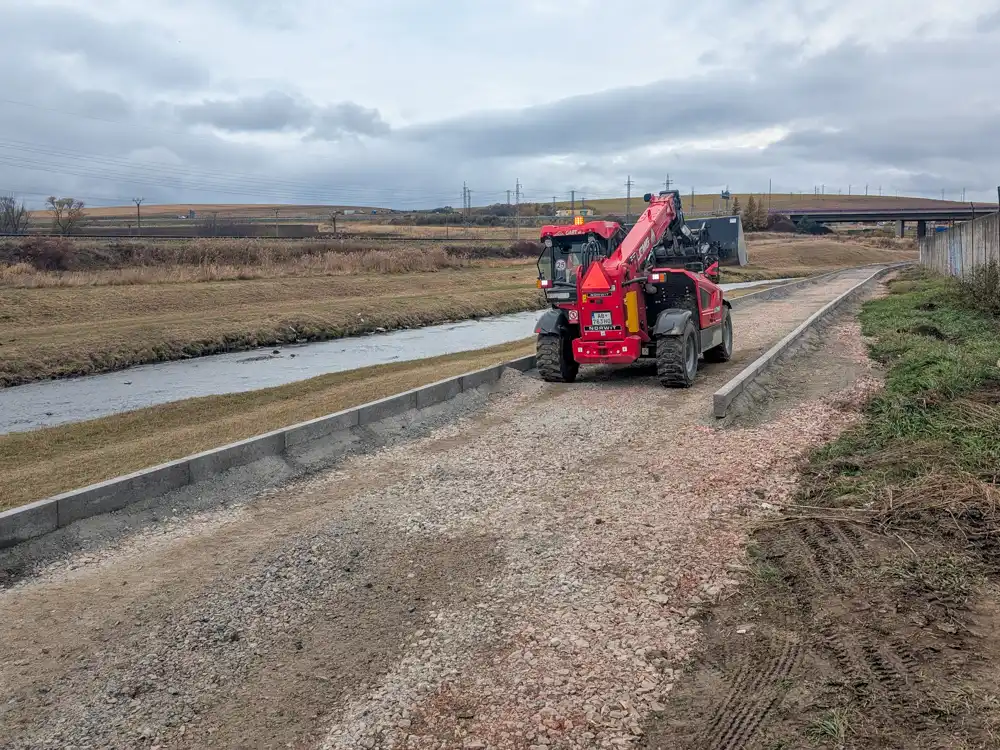
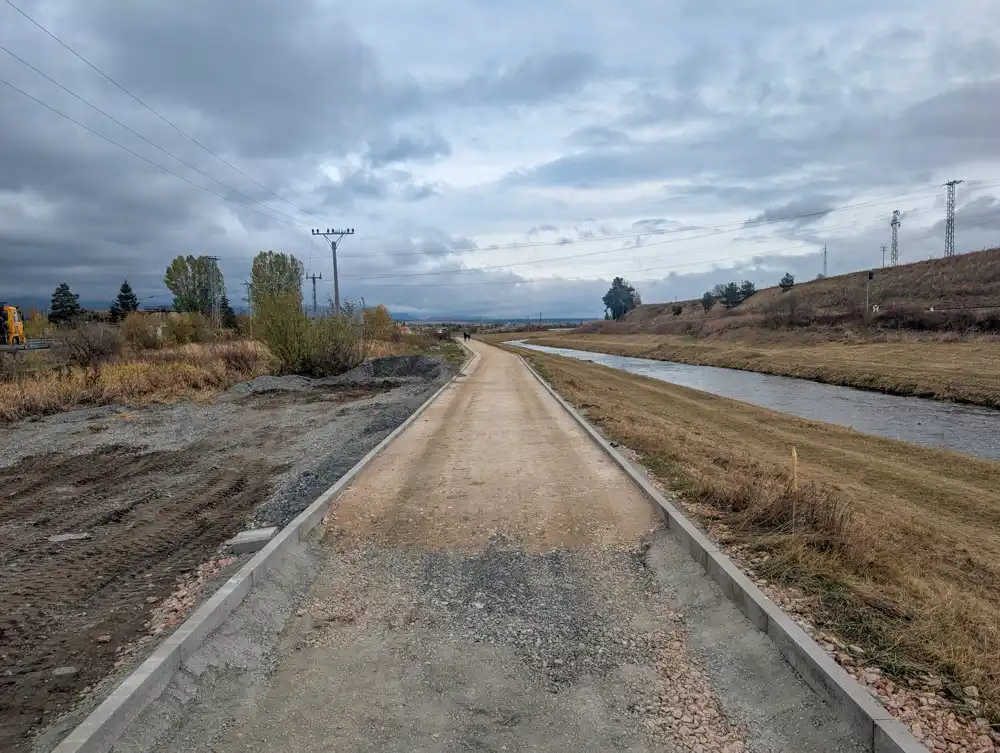
If I had to choose one investment on the Slovak side that I consider particularly important, it would be the cycling route around Veľká Lomnica.
Why? Because this is not simply another pleasant path for weekend cyclists. It addresses a problem familiar to anyone who has ever tried to cycle between Kežmarok and Poprad.
Narrow roads, no proper shoulders, heavy traffic, queues and impatient drivers. Cyclists often felt more like an obstacle than legitimate road users. And let’s be honest, some sections were hardly an inviting prospect for a family cycling trip.
The new connection is intended to significantly improve the situation. According to the information presented during our visit, from January 2027 it should provide a more continuous and safer route from Spišská Belá through Kežmarok to Poprad, avoiding the most dangerous sections of the main road.
This is what I consider one of the most important benefits of investing in cycling infrastructure. Not everyone wants to ride through forests or tackle steep mountain climbs. Many people simply need a safe way to get from one town to another.
And one more small detail: in Veľká Lomnica, we were treated to some excellent poppy-seed pastries. I am not sure whether they should be included among the official tourist attractions, but I would certainly vote for them.
From Belianska Cave to Monkova Valley: A cycling route with the Tatras as a backdrop
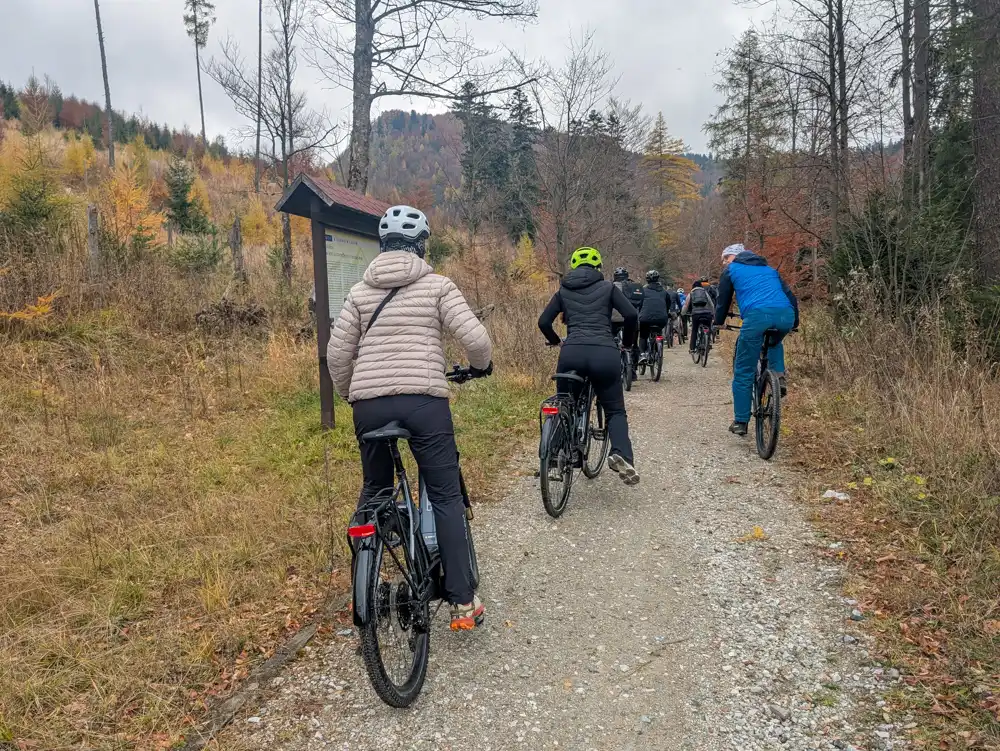
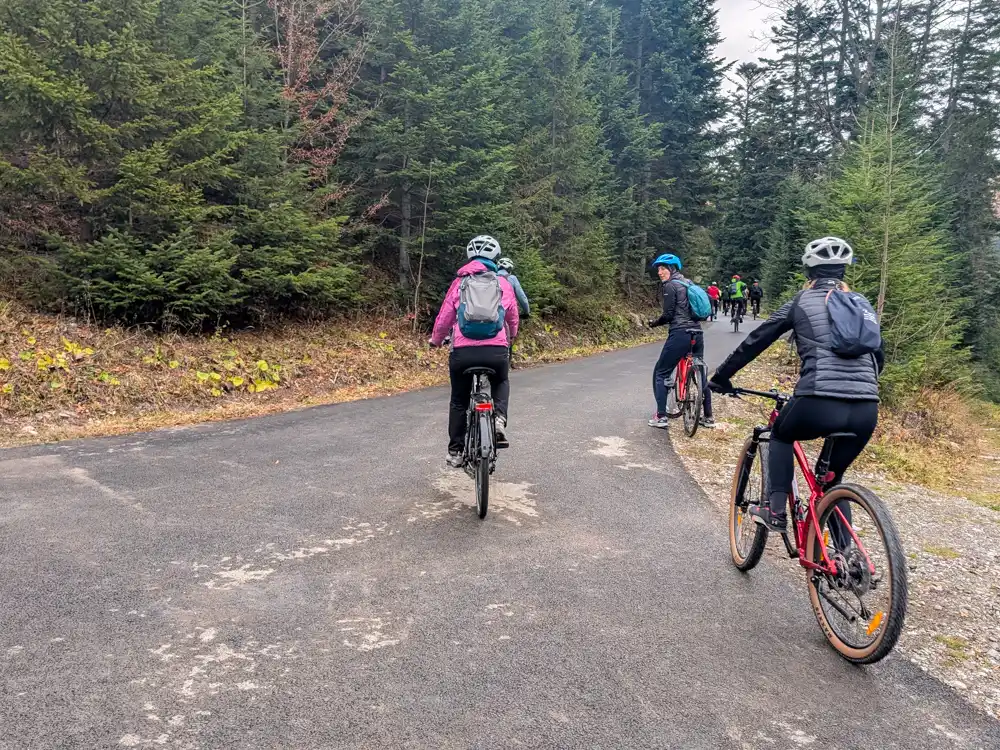
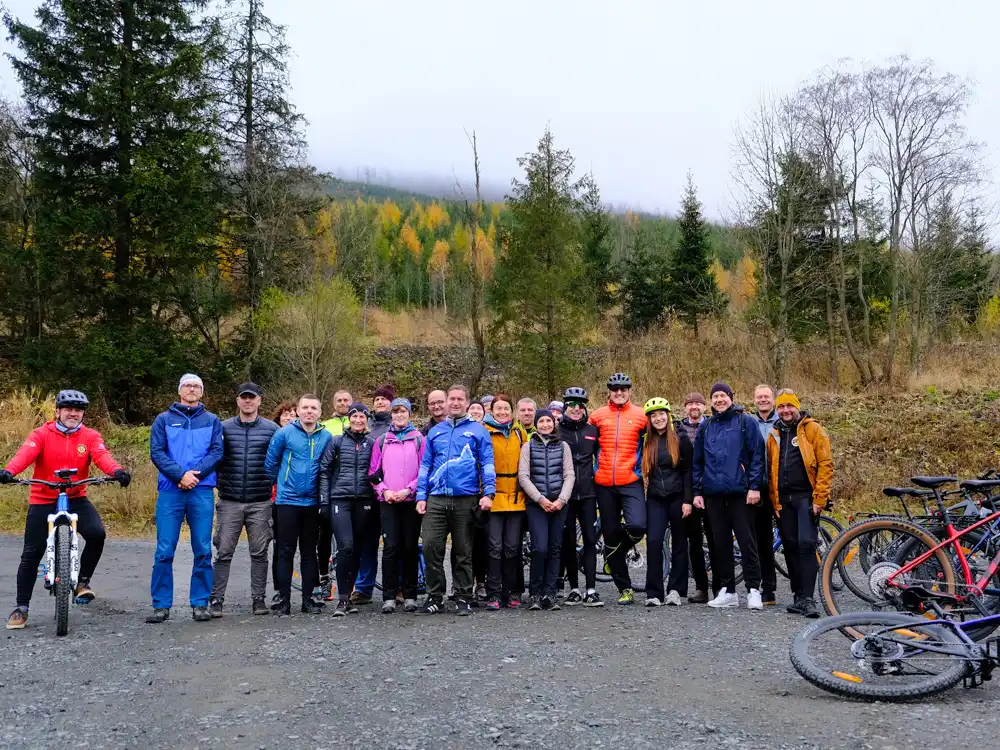
Another highlight was the section leading from Belianska Cave through Tatranská Kotlina towards Monkova Valley and further to Strednica.
Partly asphalt, partly gravel, surrounded by beautiful countryside with the Belianske Tatras close by. This is exactly the kind of route that makes you understand why connecting individual tourist areas matters so much.
In this area, Spišská Belá has upgraded forest roads and developed new cycling sections towards Ždiar and Monkova Valley. Although part of the route is still gravel, its planned completion with asphalt should create an attractive cycling corridor towards Ždiar and further into the Polish Podhale region.
These connections are particularly important. Instead of isolated cycling paths, a wider network is gradually taking shape, allowing visitors to plan longer trips without constantly returning to the same starting point.
And the Belianske Tatras have a charm of their own in autumn. Fewer people, a quieter landscape and the feeling that there is no need to rush anywhere.
The Around the Tatras Trail: A project that speaks for itself
The Around the Tatras project began as a joint Polish-Slovak initiative back in 2004. Today, it has completed four development phases, with further expansion already underway. Its ambition is to create a network of more than 250 kilometres of routes connecting Podhale, Orava, Liptov and Spiš. (Interreg EU programme)
The fourth phase was the reason for our October visit. It brought new sections, improvements to existing infrastructure and the restoration of several historic buildings. Individual investments also draw on funding sources beyond the Interreg programme. What matters is that they gradually form one interconnected network.
After three days, we returned home with plenty of memories and an even stronger desire to continue exploring. Next year, we plan to map the entire Polish side in greater detail and discover it at our own pace. This time without a group schedule, with enough time for stops, photography and places that simply cannot be fitted into an itinerary.
Because that is the beauty of travelling by bicycle. From a car, you see the landscape. On a bicycle, you experience it.
And perhaps that is the greatest value of the entire Around the Tatras Trail. It is not just about getting from one place to another. It is about discovering places along the way that you never even knew existed.
The border between Poland and Slovakia remains on the map. But on a good cycling route, it gradually loses its meaning.
We will definitely be back.


