Our first day in the Lofoten Islands started full throttle. Reinebringen – a name that pops up on every Instagram feed that tempts you northwards. But this isn’t about a picture. It’s about the climb itself. And what goes on in your head when your body still has energy, but your breath is already protesting.
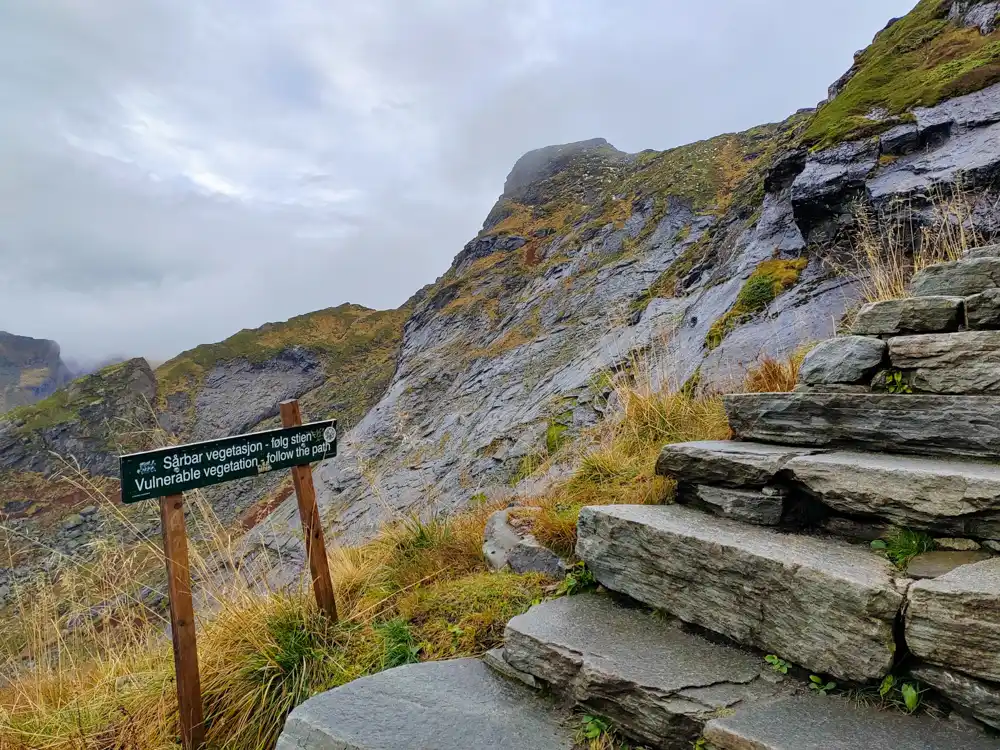
The steep stone steps rise above the fjord like an endless ladder. Over fifteen hundred of them. Nobody counts exactly, because after the five-hundredth step, all you focus on is the rhythm: step, breath, step. These stairs weren’t built to make life easier; they were built to protect it – the original erosion was so wild that Reinebringen demanded discipline even from hikers.
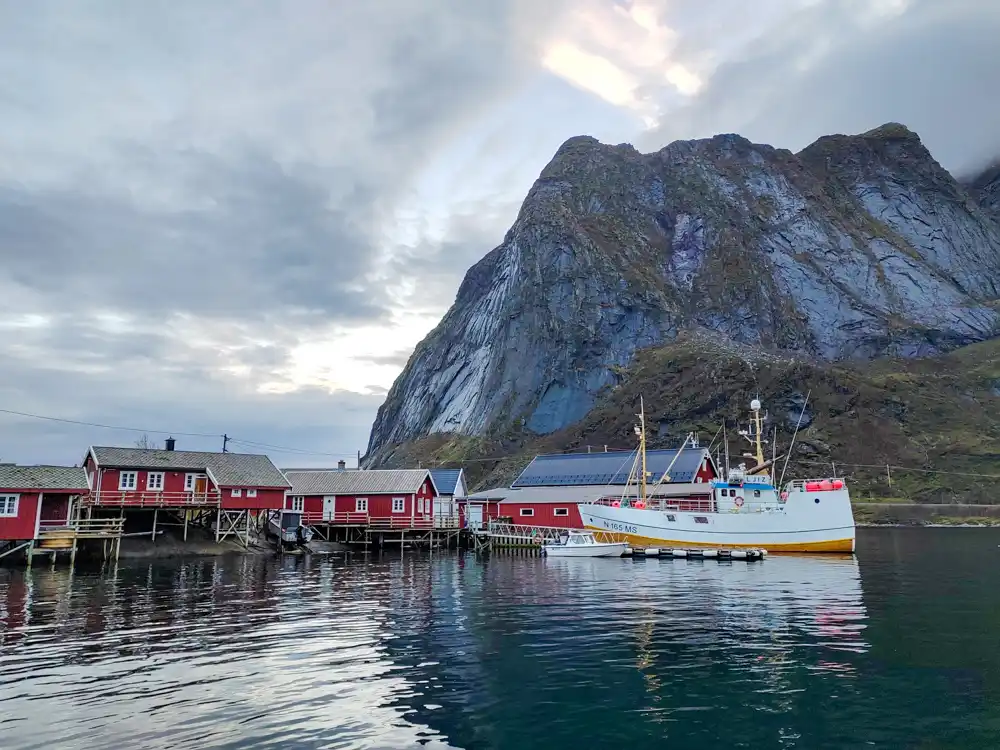
And so we climb. Above us, silence; below, water and villages that look like childhood models. Red cabins, rorbuer, scattered along the fjord’s edge. Everything feels so pure, it’s as if the Norwegians themselves would apologise to the land if something fell to the ground.
A View That Cannot Be Rushed
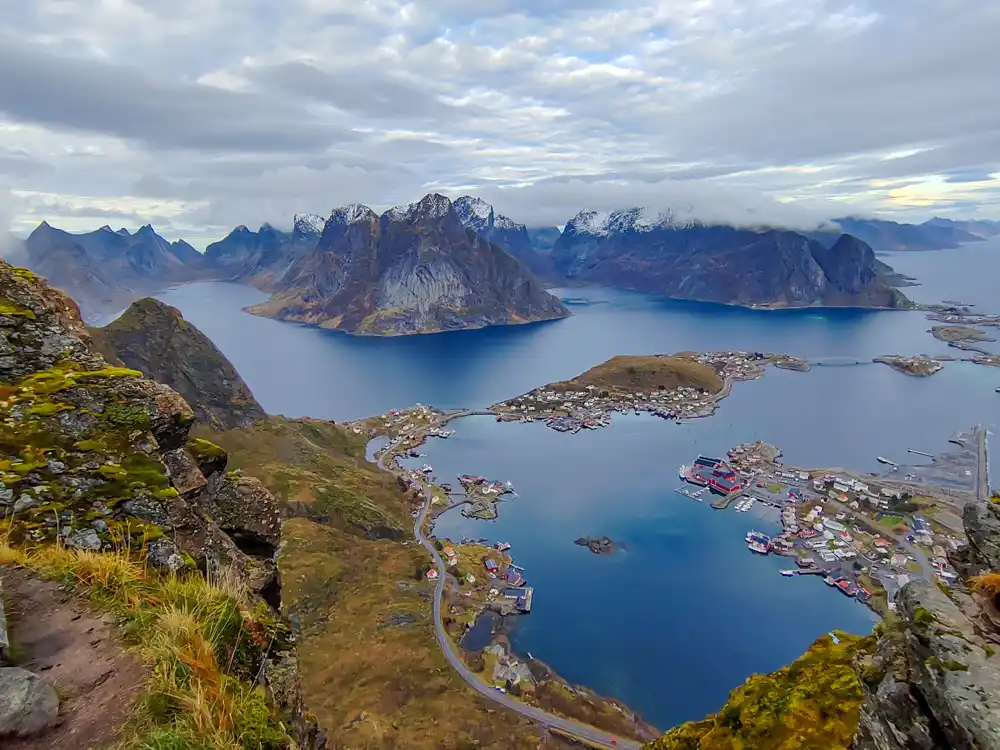
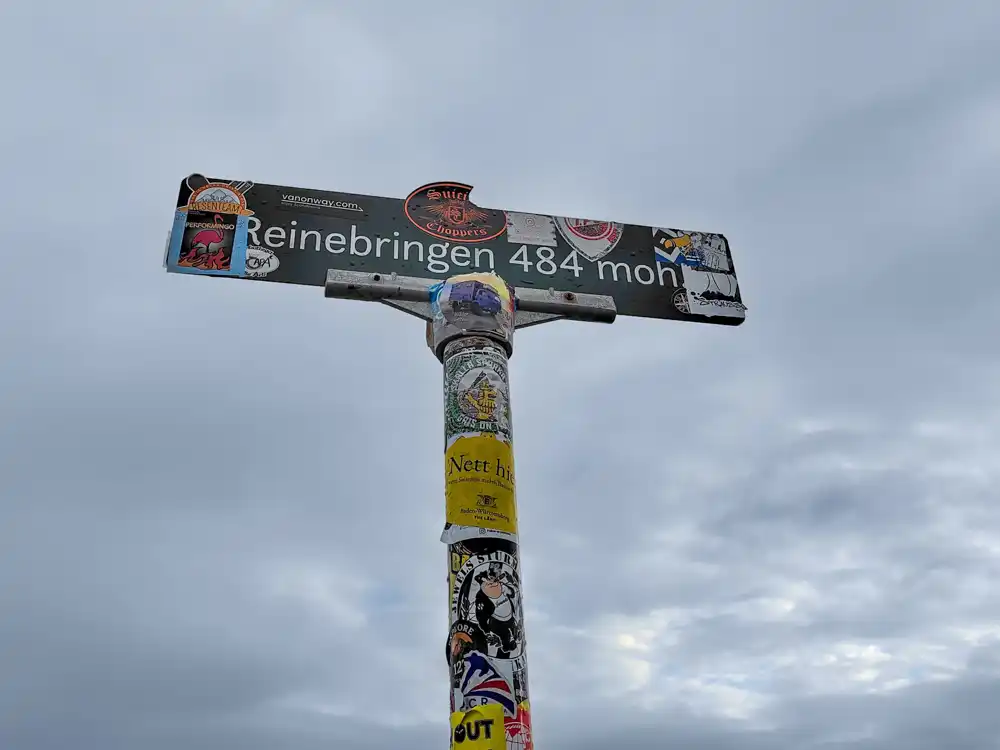
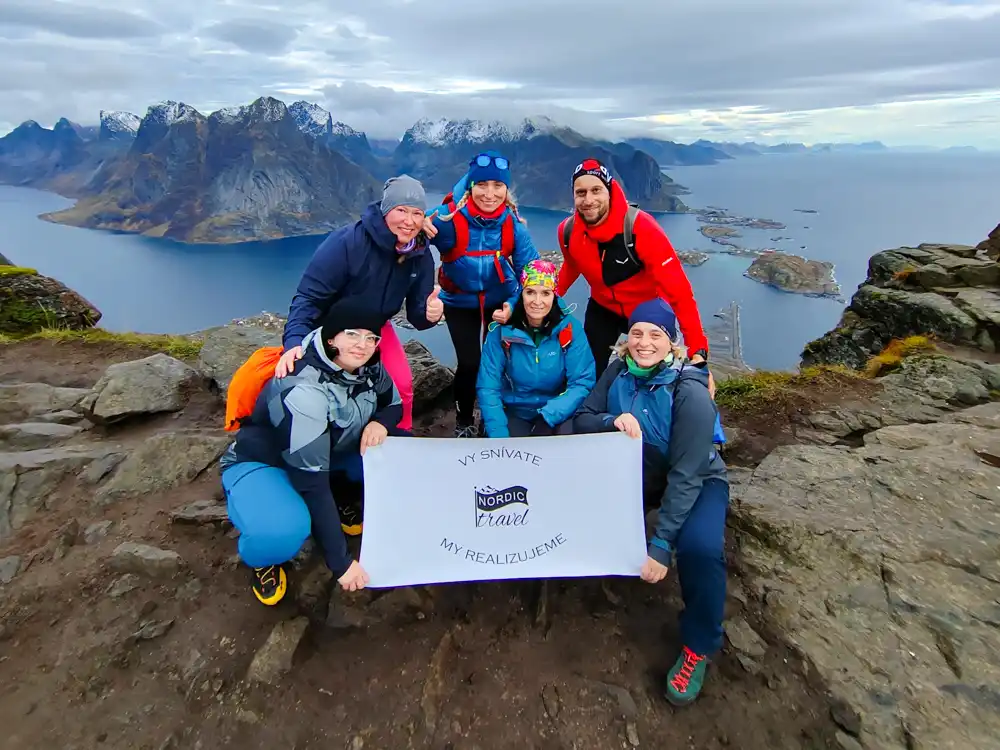
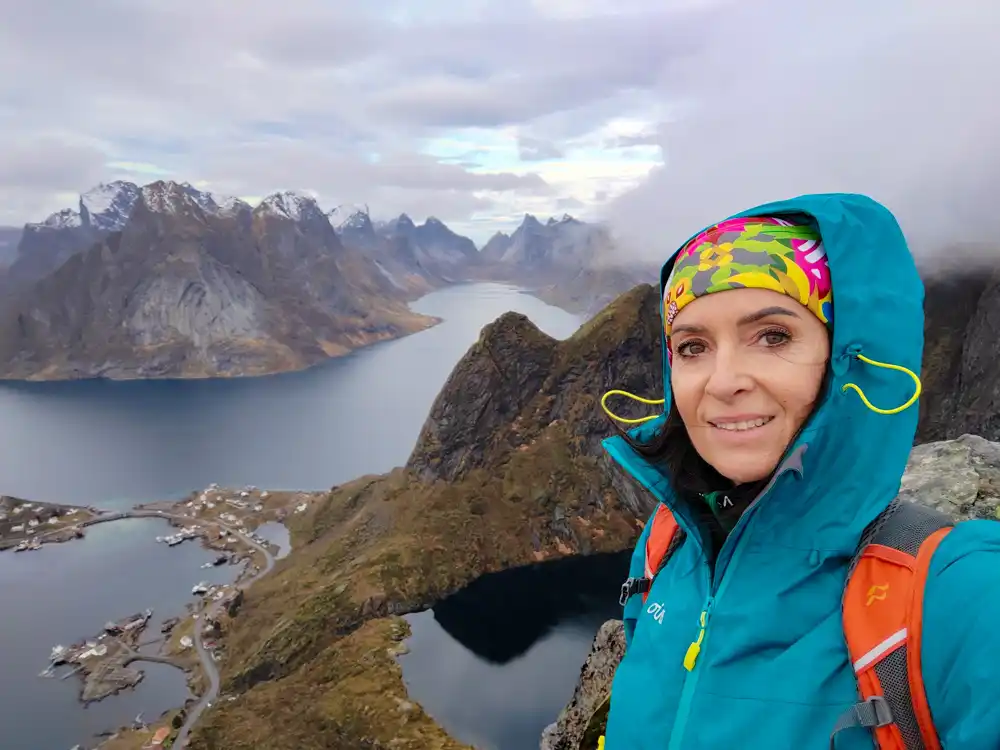
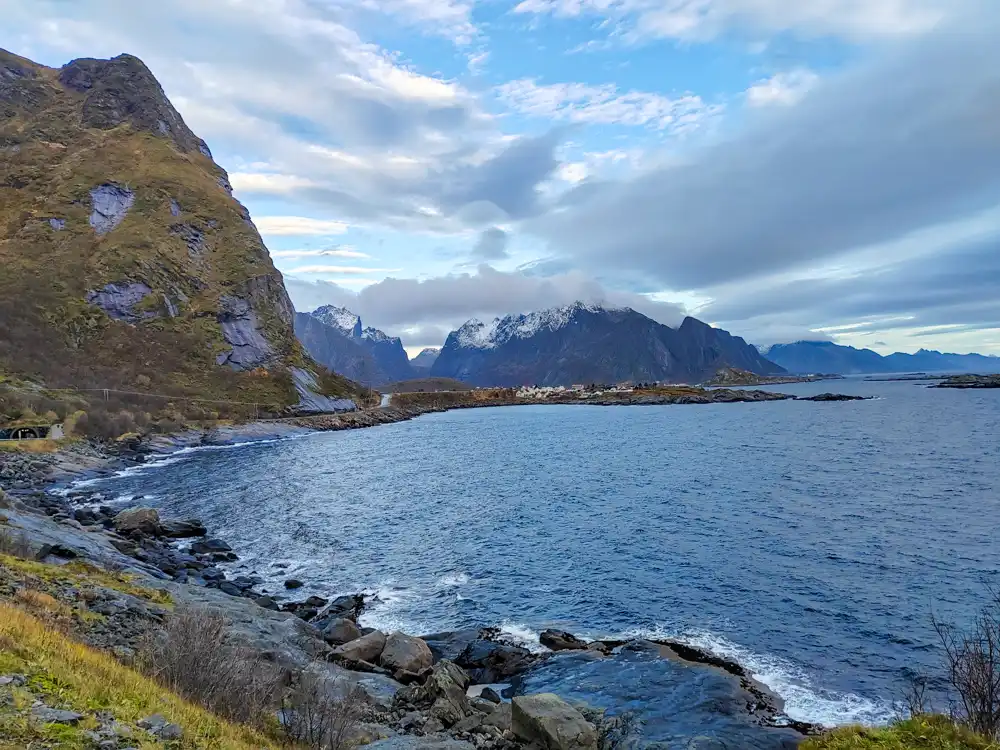
When you reach the top, you understand why Reinebringen is one of the symbols of Lofoten. The view over Reinefjord and Kjerkfjord is both dramatic and peaceful. Mountains rise straight from the sea, the water has a colour no one at home would believe, and the silence carries weight. This isn’t a “nothing’s happening” silence. It’s the kind that makes you stand still.
For a while, nobody speaks. Everyone looks in different directions, yet we’re all doing the same thing – storing that image deep inside where it won’t fade. Photos are fine, but this moment cannot be shared. It must be lived.
A little fun fact you notice at the top: Reinebringen was long considered a dangerous climb, and locals used to discourage tourists. Today it’s “iconic,” but respect remains. The wind can change your mood faster than any weather app.
Reine – The Village That Pretends Not to Rush
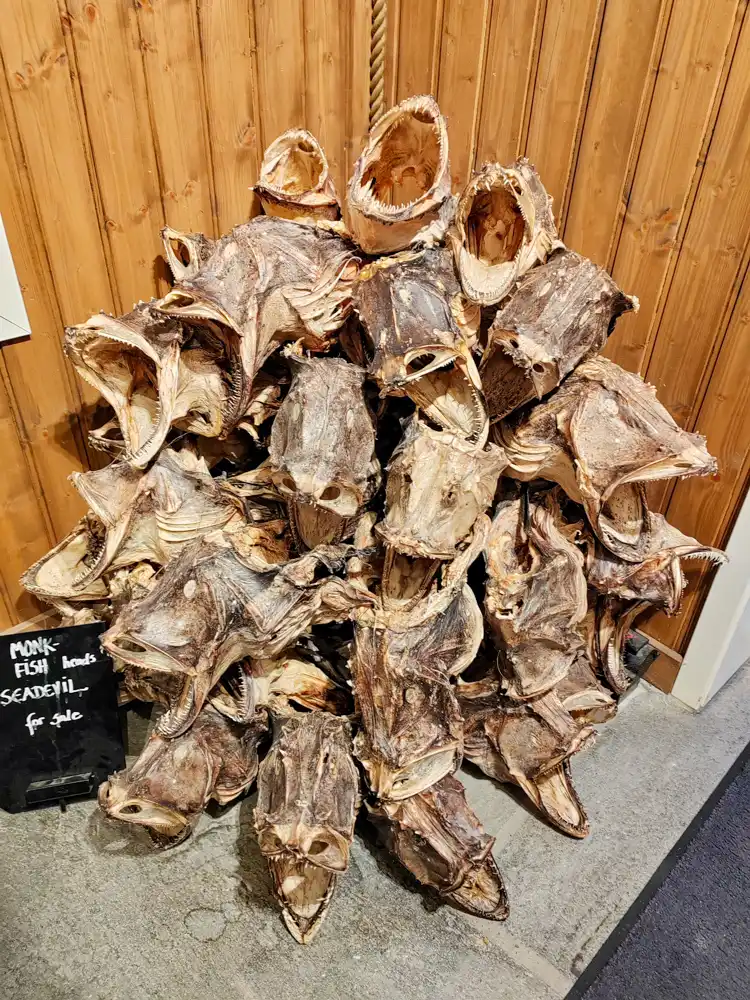
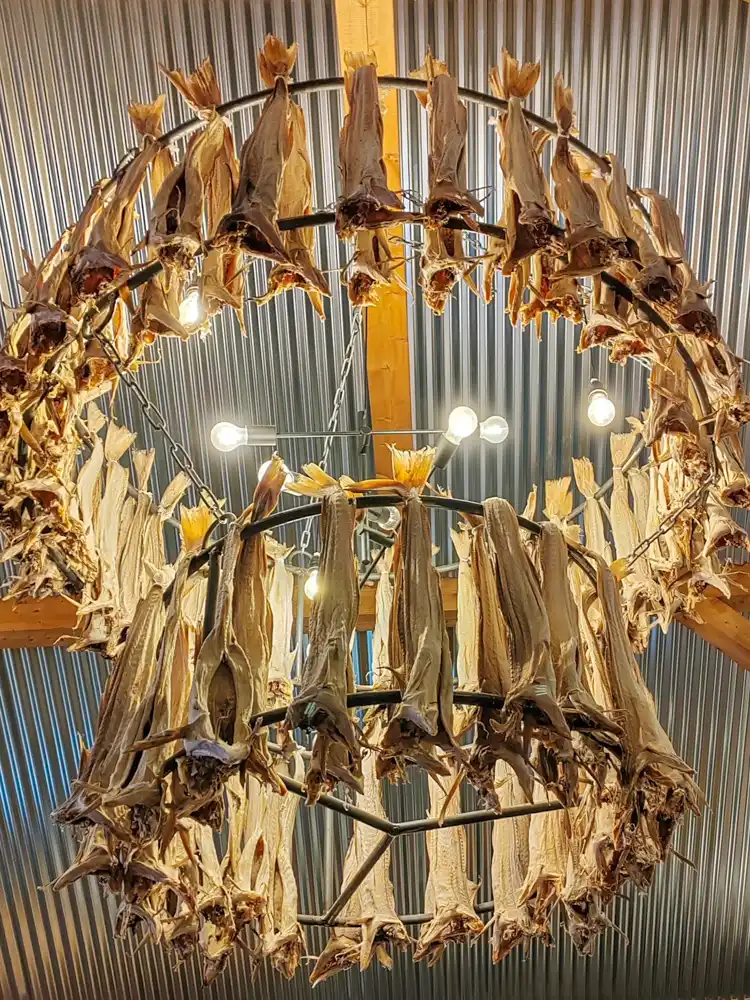
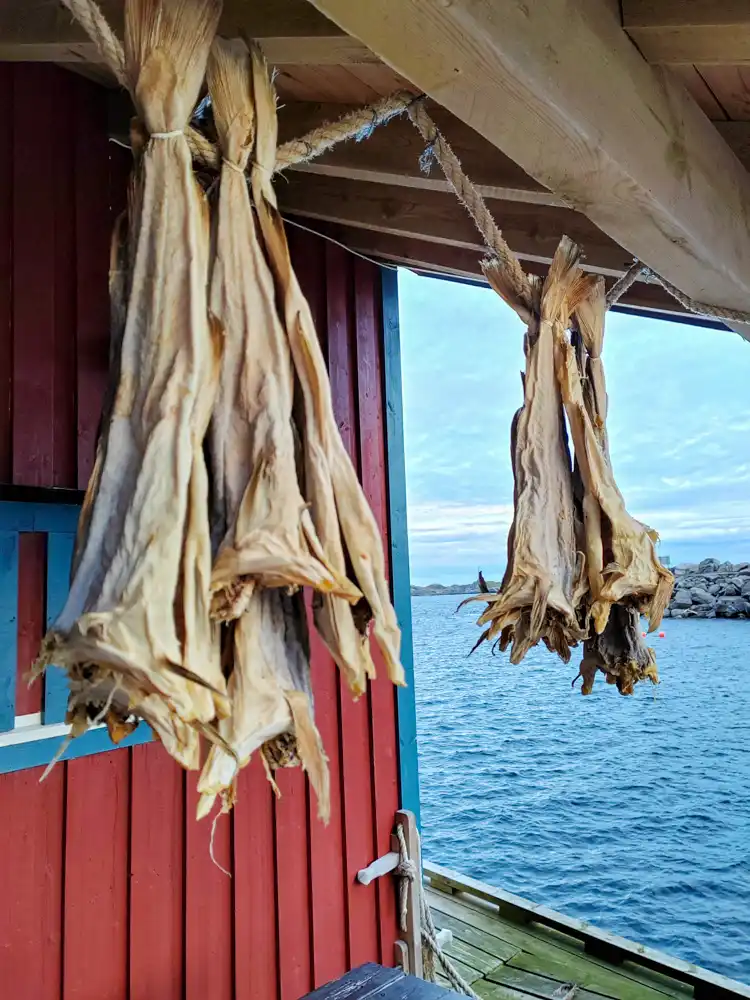
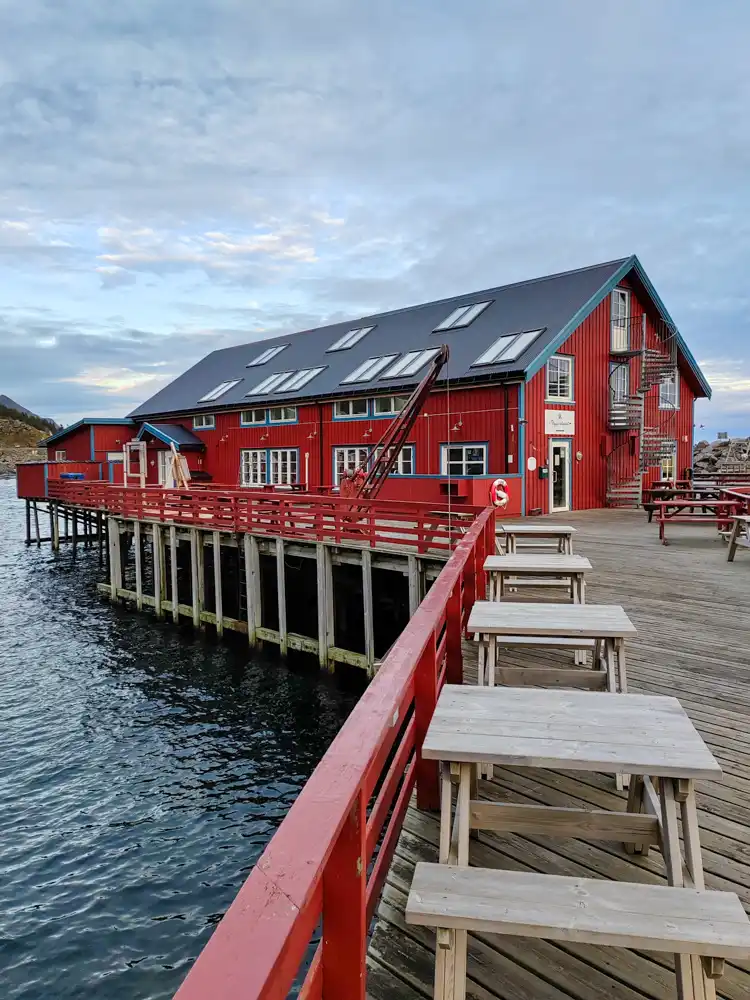
After the descent, we head to Reine, a fishing village often called the most beautiful in Norway. And yes, it’s photogenic. But most importantly, it’s real. No sets, no props. Rorbuer stand on stilts above the water, and cod-drying racks are a natural part of the scenery.
For centuries, Reine depended on fishing, especially the skrei cod, which migrates here every year from the Barents Sea. Legend has it, when the cod disappears, Lofoten falls silent. For now, the village lives calmly, without unnecessary noise, almost unsure why so many people come to admire it.
Å – The Full Stop at the End of the Road
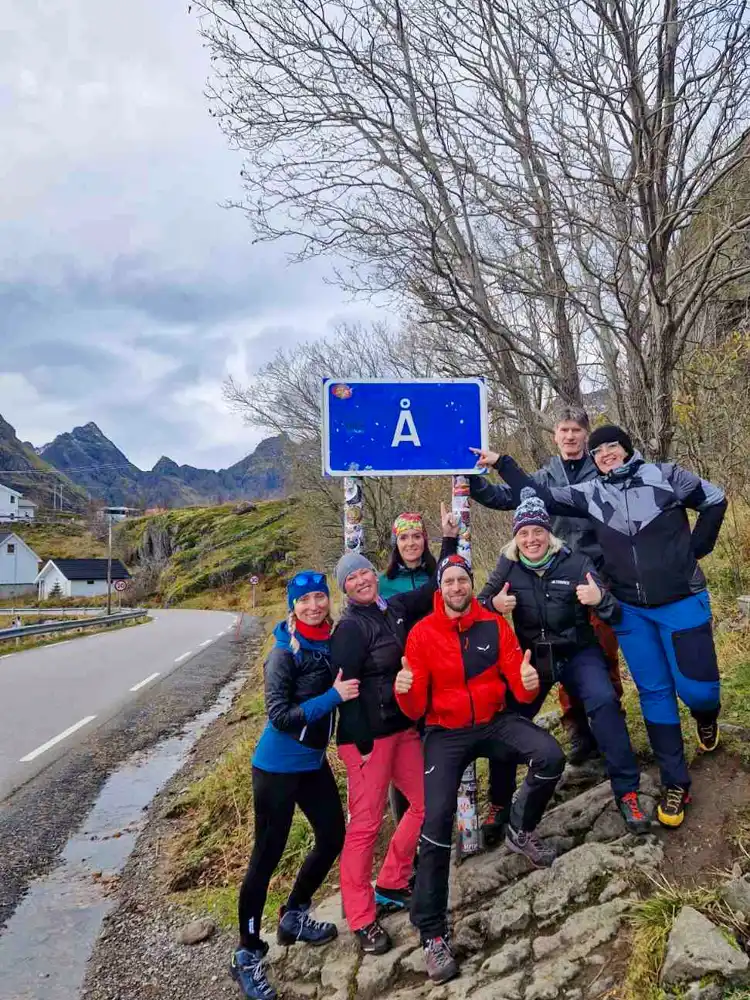
At the end of the day, we arrive at the village of Å. Yes, it really is just called that. One letter, a full stop on the map. And yet, it’s where the road ends and the sea begins. Å was once one of the most important fishing settlements in Lofoten. Today, it feels like a peaceful end of the world, where nothing needs explaining.
A quirky fact: Å means “stream” in Old Norse. Locals have grown used to tourists’ questions about the name – they just shrug. Fewer words, more space.
A First Day That Set the Rhythm
Reinebringen immediately showed us that Lofoten isn’t about rushing to the next spot. It’s about rhythm, respect, and earning certain views. And once you’ve stood at the top, you won’t leave the same as when you arrived.
And that was just day one.
Lofoten Expedition
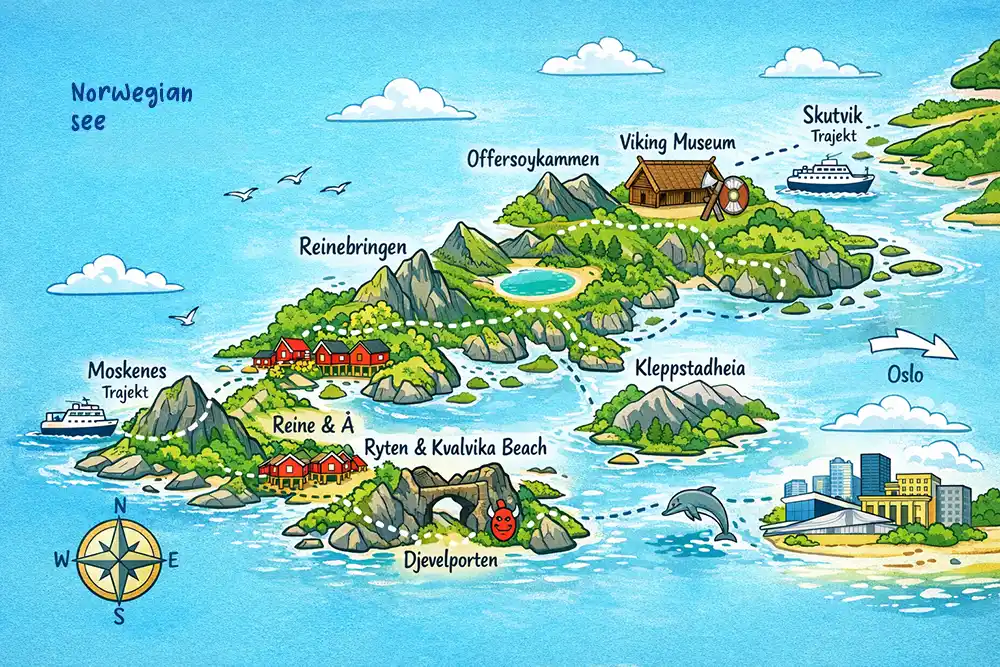
All trips can be found in the illustrated map and complete itinerary of our 👉 Lofoten Expedition.
We will gradually climb the mountains Reinebringen, Offersøykammen, Ryten, and the mystical peak of Kleppstadheia shrouded in fog, pass through Djevelporten – the Devil’s Gate of Lofoten, and briefly visit Oslo.