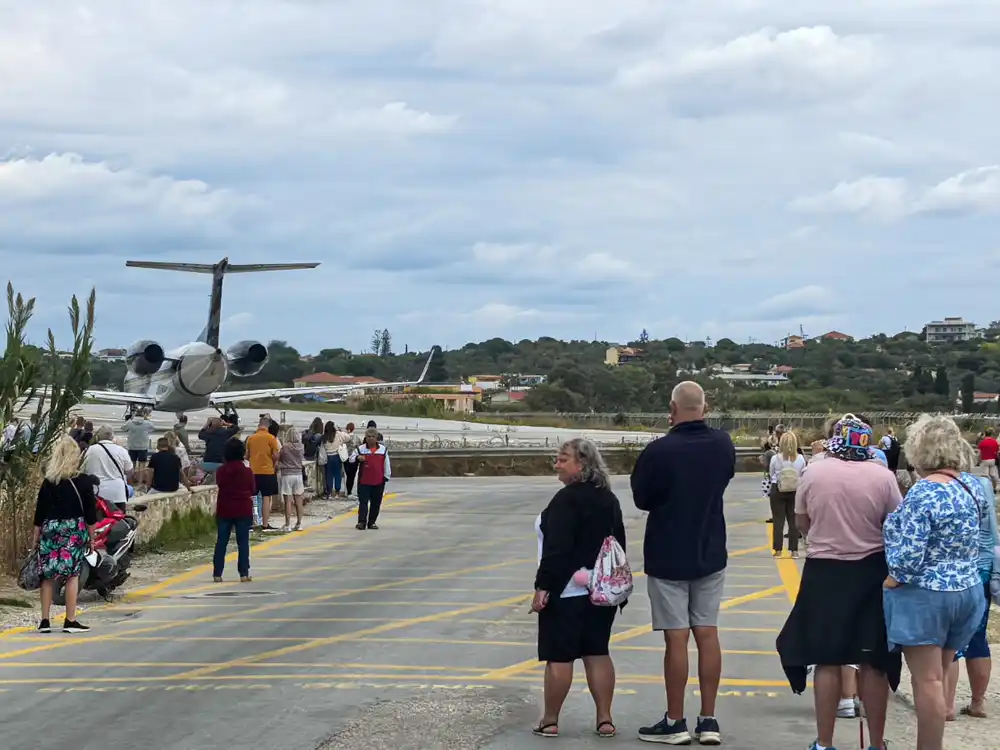
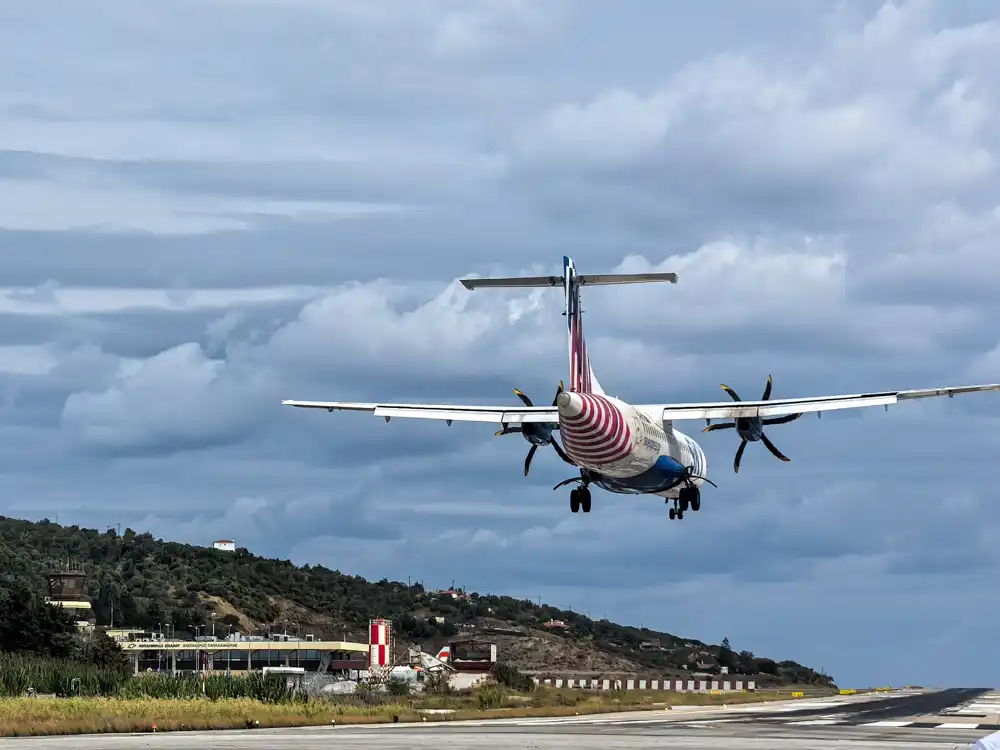
Planespotting on Skiathos is a sociological phenomenon that teaches you one fundamental thing: you aren’t watching the planes; you’re watching the people. The runway is merely a stage where the same comedy of dust and kerosene smells plays out every single day.
Short on time? Listen to the podcast
While the engines roar, I observe five (and perhaps more) basic subspecies of the “Common Spectator”:
- The Adventurer (Adrenaline Junkie): Stands at the very edge of the runway with the expression of a martyr. When the jet blast blows his cap into the Aegean Sea and sand polishes his retinas, he doesn’t even flinch. He stands tall, proud of his voluntary self-harm, while others hesitate between admiring him or calling a psychiatrist.
- The Bored Consumer: Has no idea why they are there. They only showed up because the beach loungers were still wet and “everyone else is doing it.” They keep checking their watch, wondering if the plane will land before their parking permit expires.
- The Creative Photographer: Equipped with gear worth the price of a used car. Swapping lenses, searching for an angle that “no one has captured yet,” only to realize after three hours in the dust that the exact same shot was taken ten years ago on an iPhone 4.
- The Responsible Husband: The head of the family, standing in a safe upwind spot, lecturing his kids on aerodynamics and safety. This is his moment of pride. He brought them here. He is the one who knows which way the wind blows. Meanwhile, the kids desperately seek shade, wondering if their father is a hero or just stubborn.
- The Digital Waste Collector: Stands on the scorching asphalt for half a day, clicking incessantly. Then retreats to the nearest tavern to spend an hour “cleaning” his gallery over a weak coffee and a croissant: girlfriend, work, family, Insta-me by the plane. Mission accomplished, ego fed, moving on.
I admit, even we couldn’t resist this circus. But two planes, one lost cap, and a ringing in my ears were enough for me. While the crowd waited for the next charter from Manchester, I turned toward the place the rest of the world forgets to look.

The Old Harbor Docks: A Manifesto of Raw Aesthetics
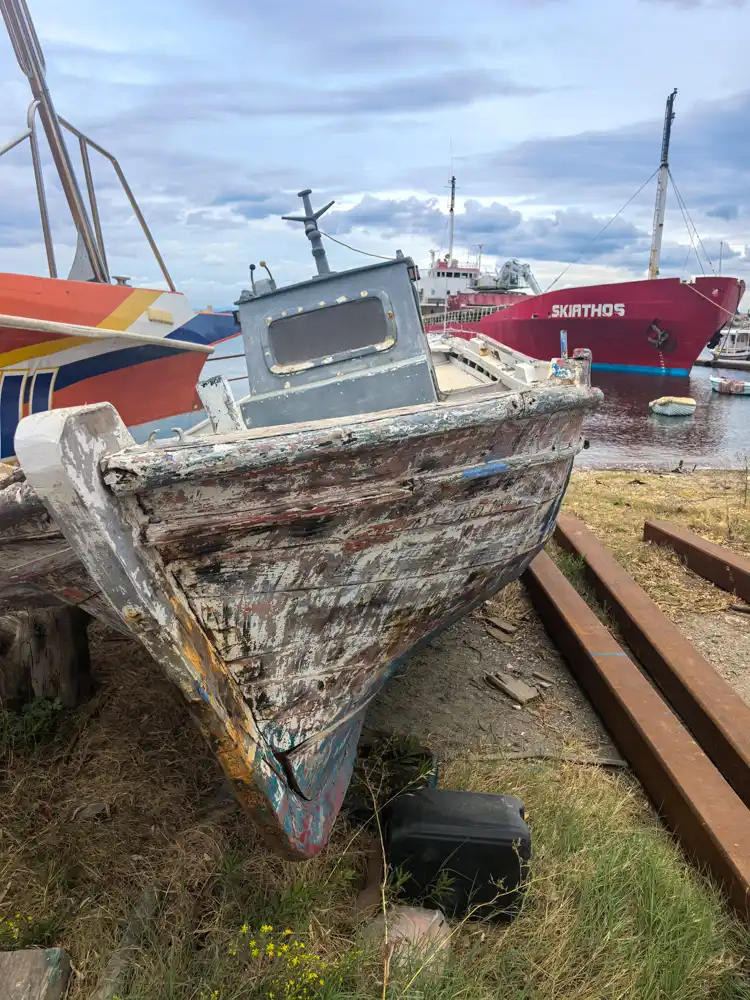
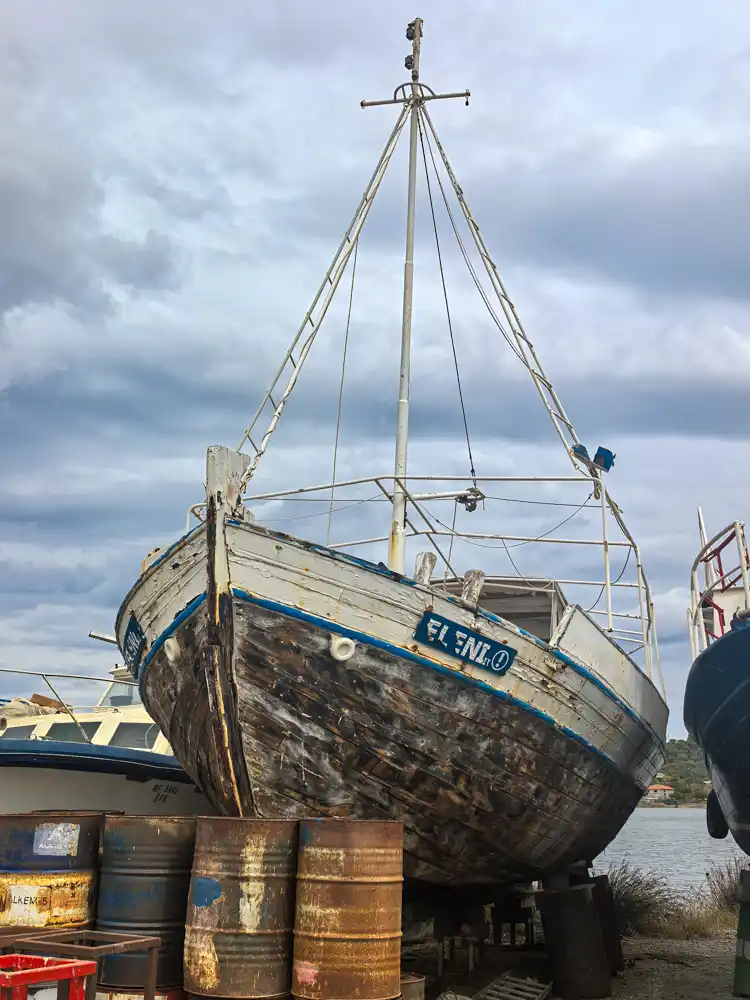
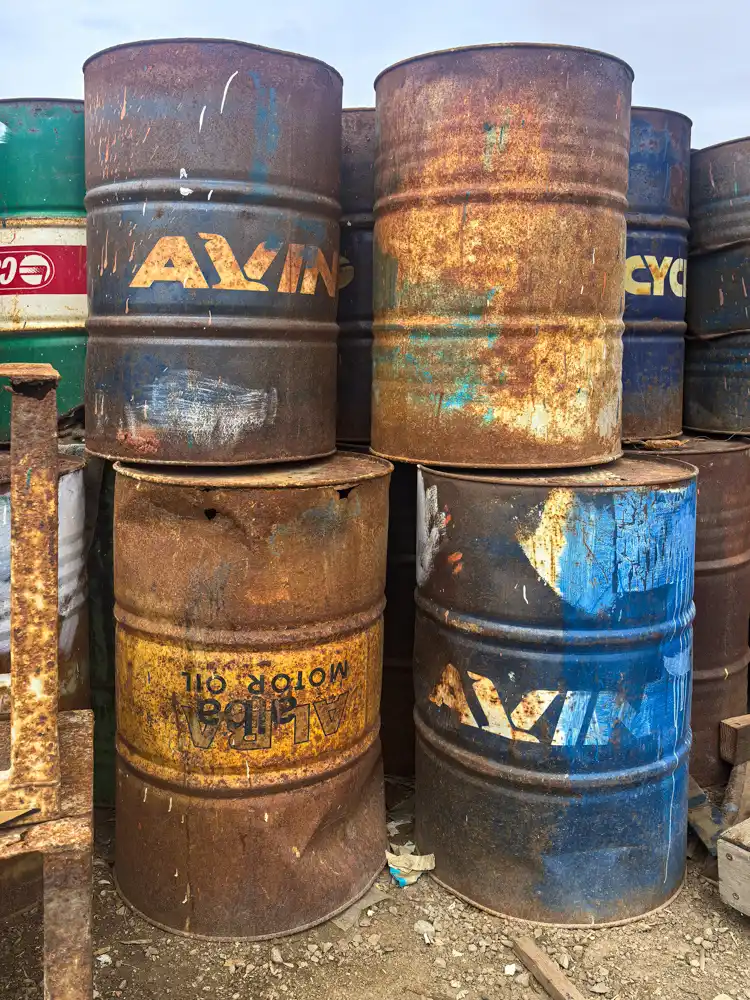
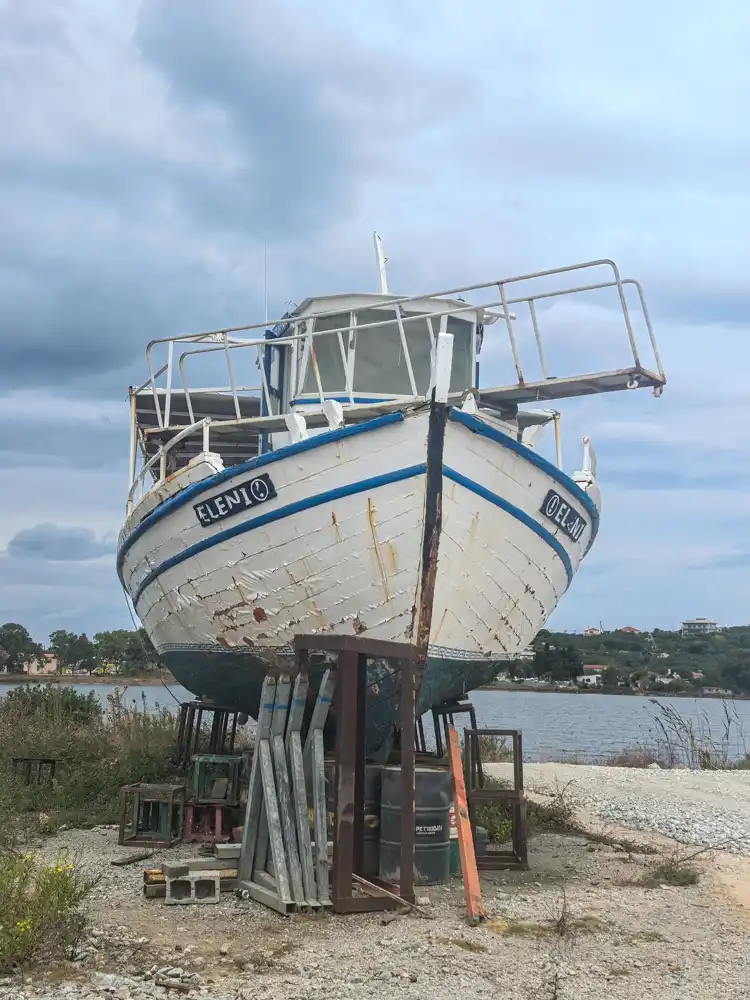
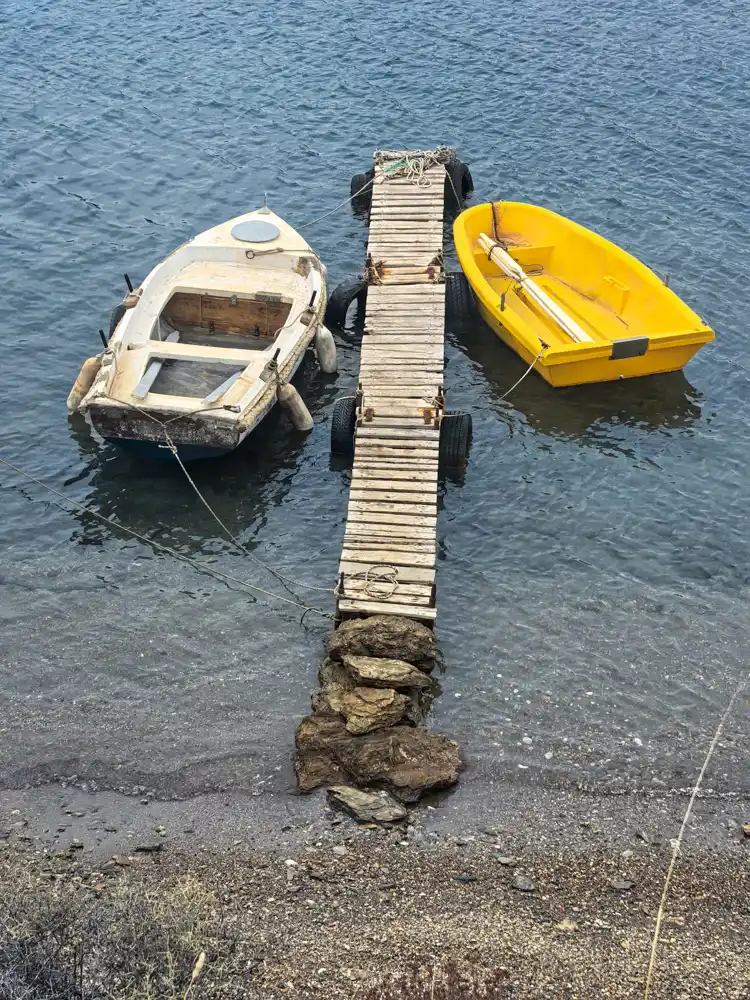
Where the tourist glitz ends, my territory begins—the old industrial docks. To the average vacationer, it’s a pile of rusty scrap metal; to me, visual ecstasy and an infinite reservoir of stories. While the crowd three hundred meters away collectively gasps under the bellies of landing planes, I search for truth in abandoned containers, the creak of dried-out planks, and layers of old peeling paint that create maps of non-existent continents on the hulls of ships.
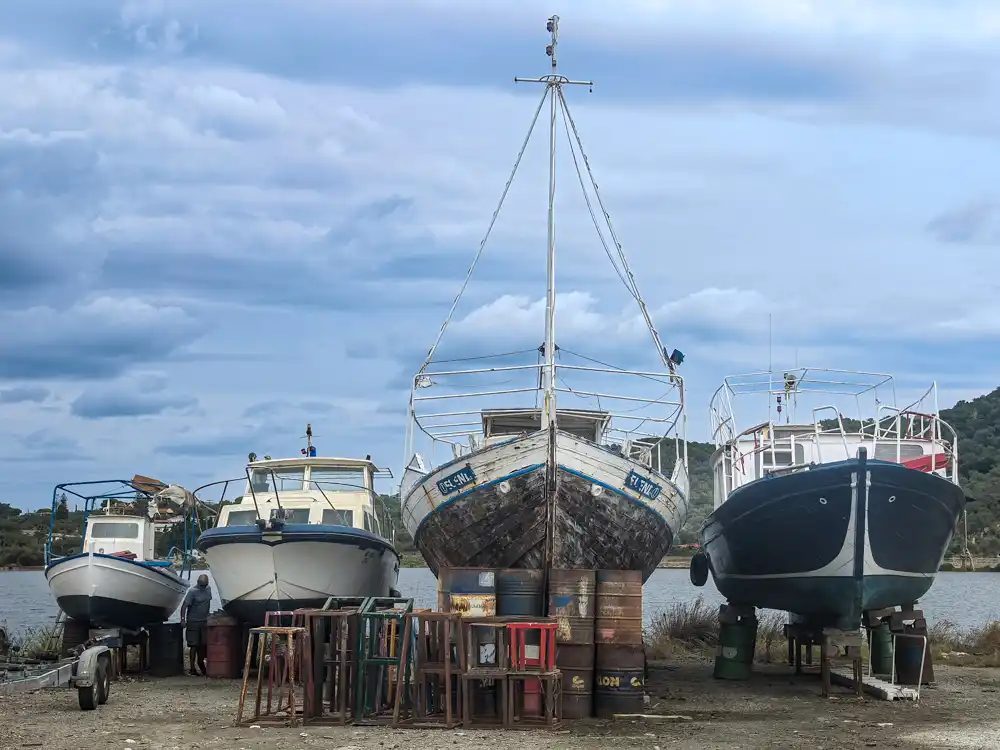
The industrial area is the only place on the island where no one sells you a cliché sunset. Here, you see life in its most honest, almost raw animalistic form. It’s a world of fish guts, spilled oil, and callouses that don’t need Instagram filters. It’s in this “backstage” where the real Greece happens—without turnstiles or rehearsed smiles.
I am fascinated by how a rusty barrel or a tangled fishing net can demolish all learned standards of beauty and open up space for pure imagination. Taking a postcard-perfect photo isn’t art; it’s just a technical skill. Real art is finding harmony in the chaos of daily reality and giving a story to things the world wrote off long ago.
And the best bonus? No other tourist is fooling around here with a camera. Everyone else is three hundred meters away, letting a turbine massage their lungs.
Where the Industrial Ends, the Olive Tree Begins
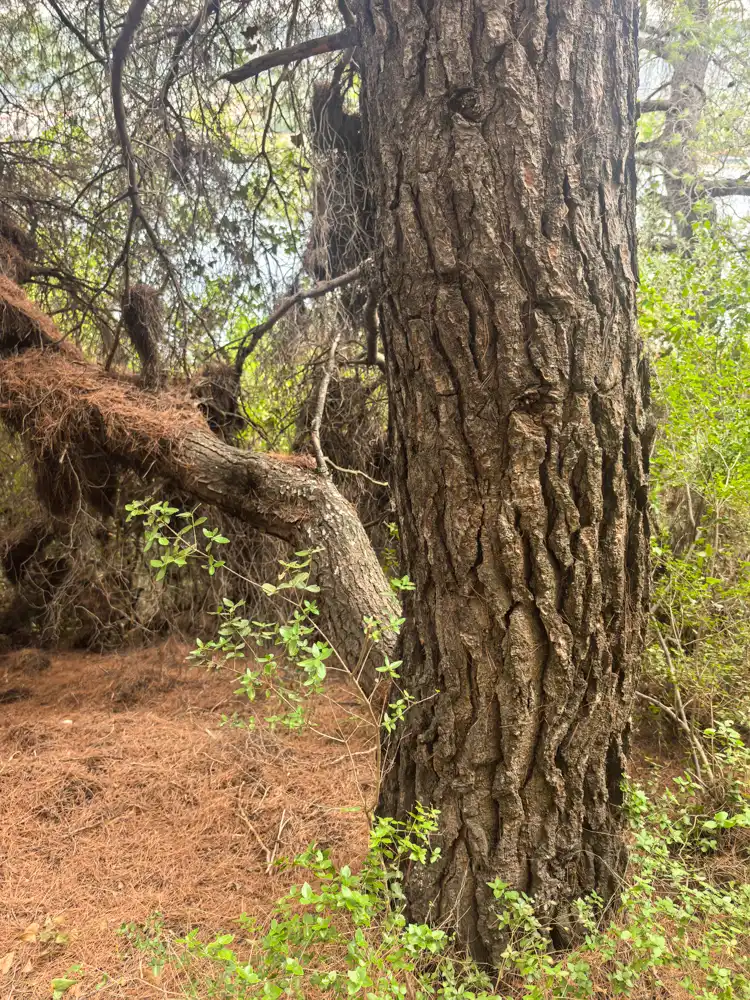
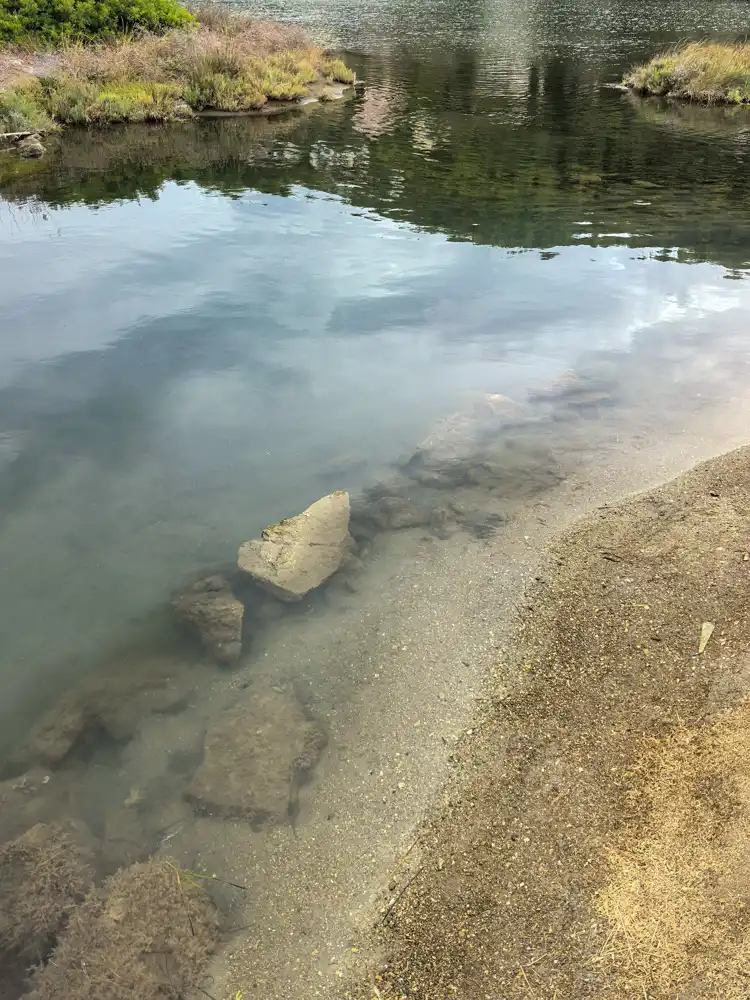
Much like the industrial, I am fascinated by nature—but the real kind, not the ironed-out versions found in resorts. The aesthetics carved into the trunks of century-old olive trees by time itself are a form of divine art. While the planes roar overhead, I walk toward Lake Agios Georgios, where a subtle coastal path into the olive groves begins.
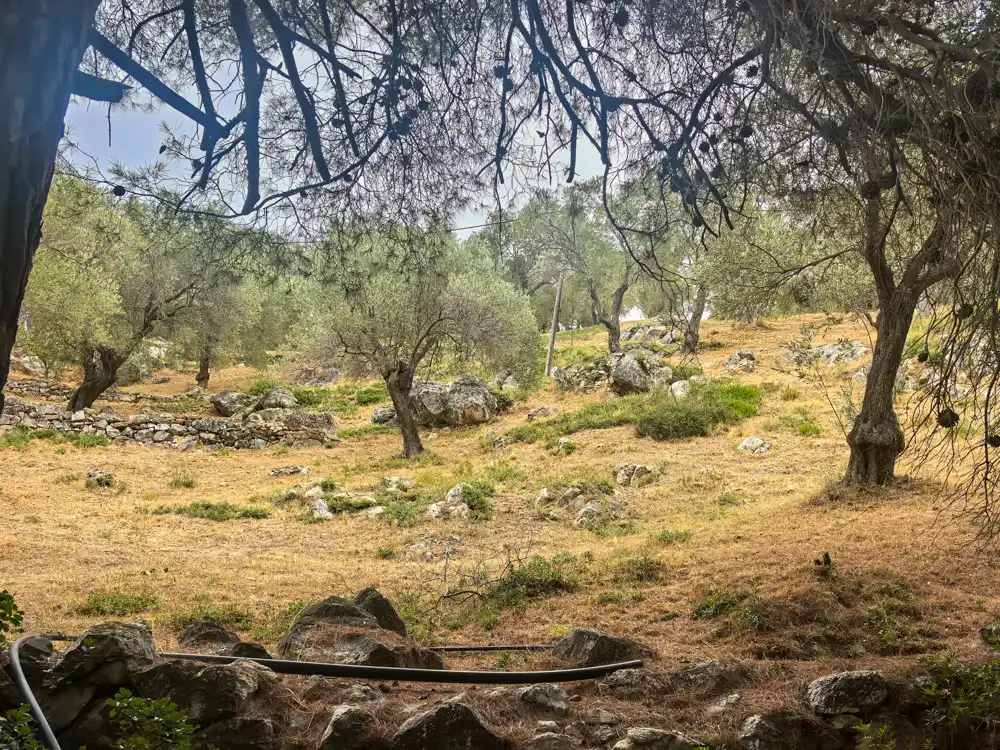
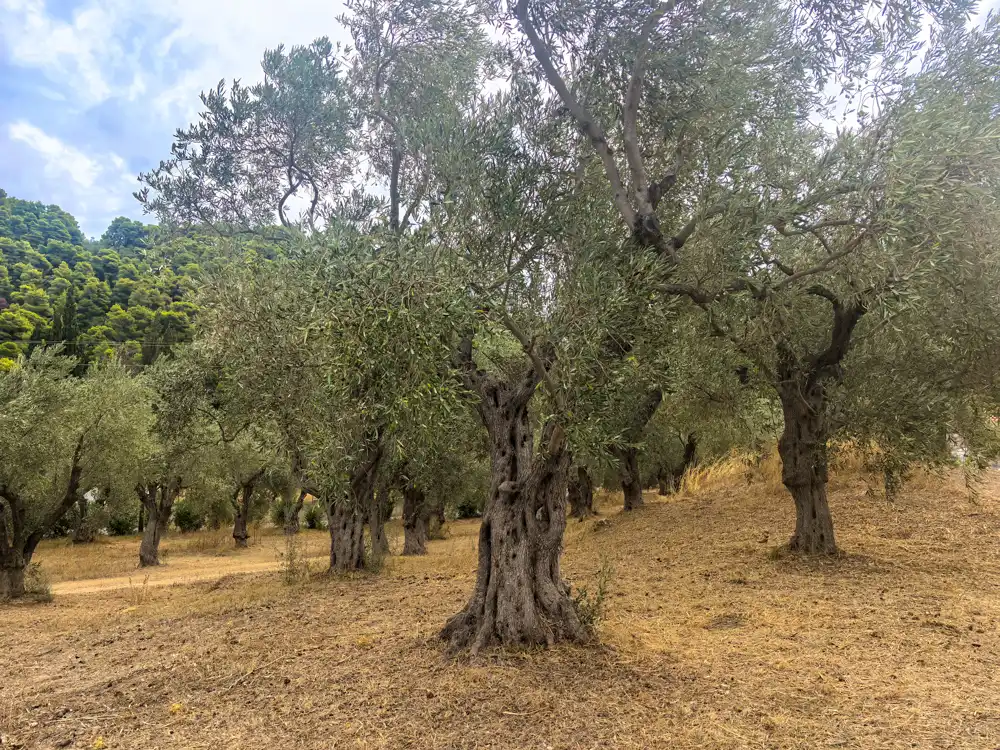
Before the tourists arrived, olive trees and fish were the foundations of survival. Today we rave about the healthy Mediterranean diet, but I add: it is mainly modest and honest. High-quality olive oil needs nothing. Just a piece of good bread, a plate, and wine. If you feel like something is missing, the oil wasn’t good. Period.
The olive tree is everything to an islander—it provides shade for an afternoon siesta, wood for the winter, and liquid gold for the kitchen. Under these trees, you don’t take photos for Instagram; under these trees, you live and you think. I could go on about the grapevines, but we’d be here until morning and would likely end up drunk and sentimental.

Epilogue
I return after several hours of wonderful, quiet walking. As I pass the airport runway, I see a few of the same “creatives” from this morning. Still standing. Still waiting for that “dream shot” of theirs. God, what a magnificent waste of time.
But then I realize a paradox: thank God for them. While they obediently wait for their planes, they leave the most beautiful parts of the island completely empty for me. Tourism is what makes Skiathos alive, but the lack of interest from tourists is what makes an island beautiful.